+86-13532971605

Advanced packaging joins materials that do not expand in the same way. Silicon, substrates, solder connections, encapsulants and metal features respond differently as temperature changes. The engineering challenge is not choosing the most aggressive chamber: it is selecting test stresses that make relevant weaknesses visible while preserving traceability to the intended qualification requirement.
Thermal reliability is the ability of a package and its connections to withstand specified temperature stresses without unacceptable degradation. Differences in material expansion can load interfaces and joints as assemblies heat and cool, particularly where geometry or materials create local stress concentrations.
For chiplet assemblies, 2.5D/3D integration and HBM-adjacent packaging designs, the resulting concern may be joint fatigue, interfacial damage, warpage-related behavior or electrical discontinuity. These are possible failure mechanisms, not guaranteed outcomes. Test engineers should connect each suspected mechanism to an observable electrical, mechanical or inspection criterion.
A failure-mode-to-evidence map connects a suspected package damage mechanism with an observable result and the test conditions needed to investigate it. For chiplet, 2.5D/3D and HBM-related packages, distinguish solder-joint fatigue, interface delamination, package warpage and interconnect discontinuity rather than treating every thermal-cycle failure as the same event.
Potential risk | Solder-joint fatigue | Interface delamination | Package warpage | Interconnect discontinuity |
Evidence to investigate | Continuity, resistance change and joint inspection | Acoustic or cross-sectional inspection where appropriate | Temperature-linked deformation measurements | Electrical monitoring during or after exposure |
Qualification caution | Specify specimen temperature and dwell | Moisture history may change outcomes | Fixture stiffness may influence results | Failure threshold must be predetermined |
These are engineering hypotheses for a reliability plan, not Yuanyao-tested case results. Include the appropriate inspection or electrical measurement in the test request; a chamber controls environmental stress but does not independently diagnose package failure.
A thermal cycling test plan defines the temperature profile, exposure count, sample condition and acceptance criteria before testing begins. Start with the product architecture, intended environment and applicable customer qualification protocol. Specify whether the test is for design learning, process comparison or formal product qualification.
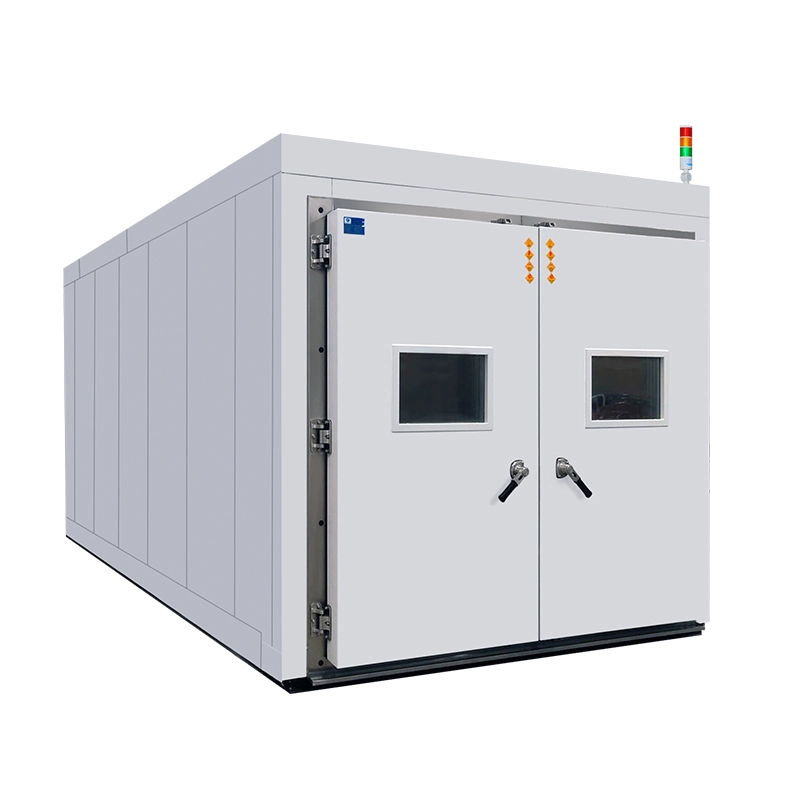
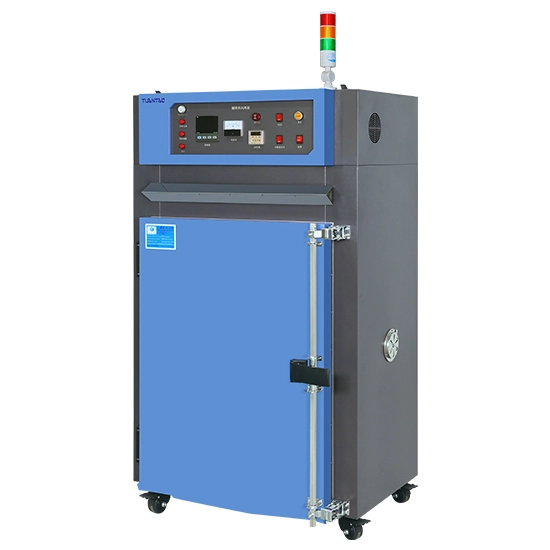
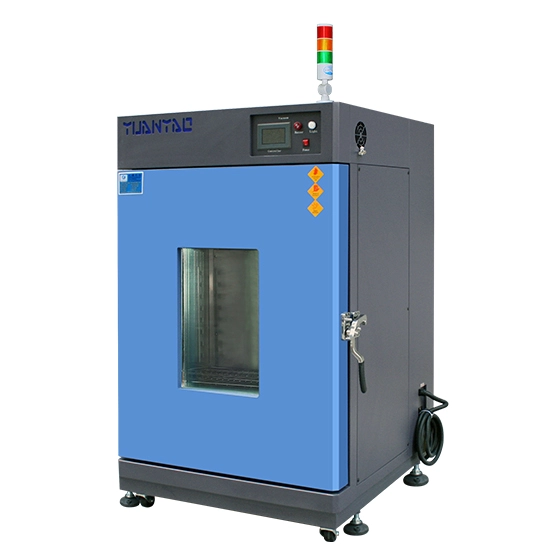
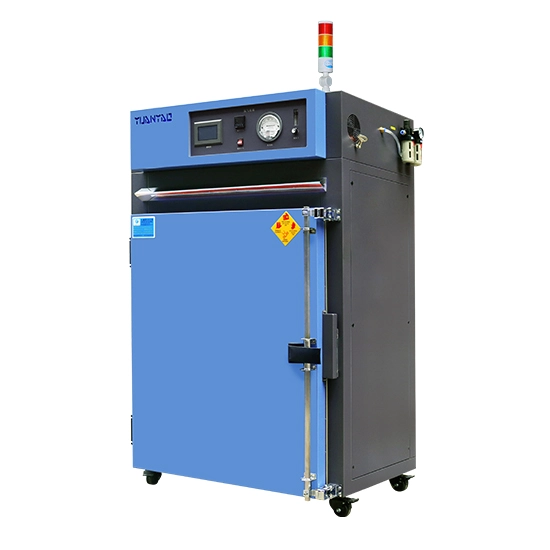
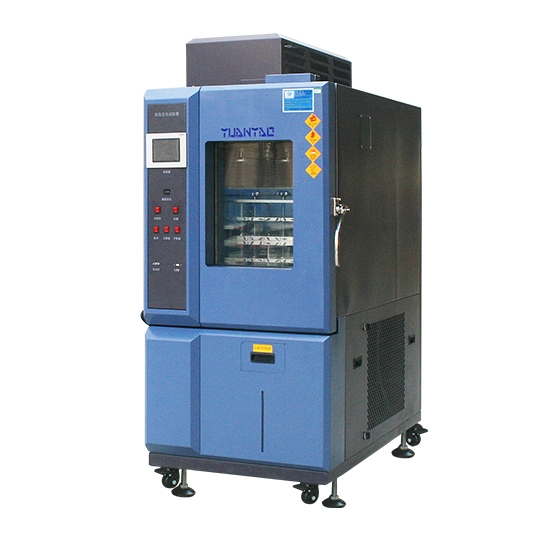
Yuanyao supplies chambers for temperature and humidity tests and rapid thermal cycling. The equipment selection follows the test plan—not the other way around. A chamber that can change air temperature quickly is not necessarily the correct device for a standard with prescribed dwell or transfer conditions. JEDEC JESD22-A104, when applicable, specifies a temperature-cycling test method; published chamber capability by itself does not establish that the test setup meets its conditions.
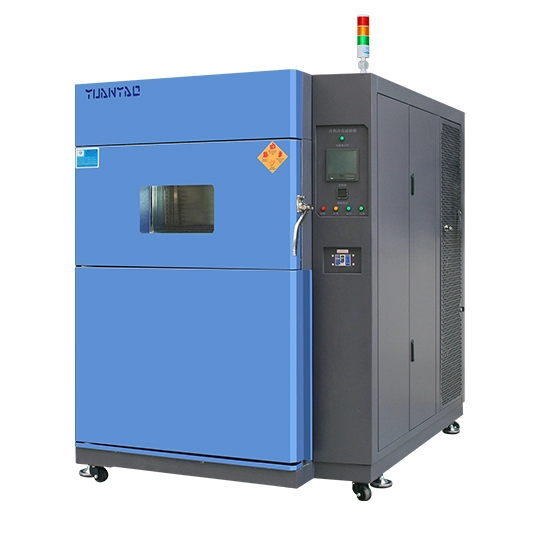
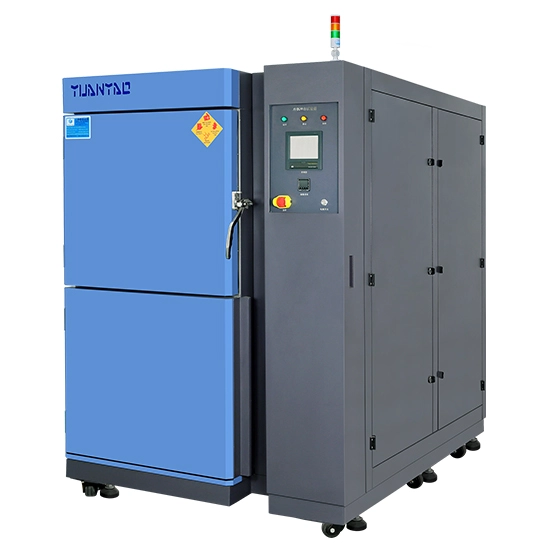
Temperature cycling is repeated exposure to defined high and low temperatures, while thermal shock emphasizes the effects of more abrupt transitions. The precise distinction depends on the governing test method and chamber configuration; engineers should not use the terms interchangeably when ordering equipment.
Method | Single-chamber cycling | Two-zone thermal shock | Climate exposure |
Primary control question | Profile and loaded ramp behavior | Transfer plus recovery | Joint temperature and humidity stress |
What to report | Temperature trace, dwell and cycles | Specimen transfer and zone recovery | Temperature/RH profile and condensation policy |
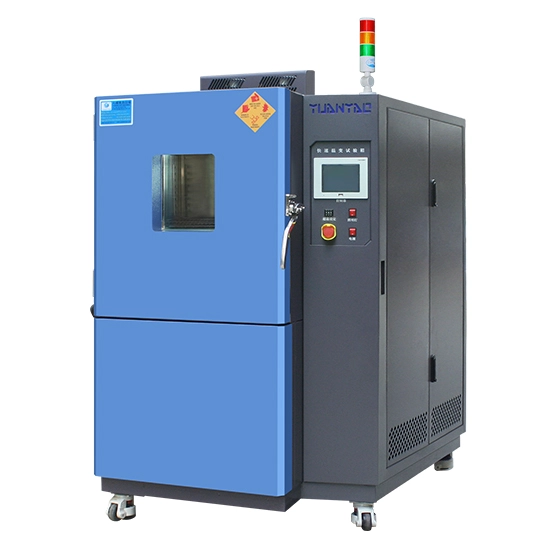
A liquid to liquid thermal shock system is a distinct equipment option; its liquid contact and heat-transfer mechanism require material and procedure compatibility checks. It should not be treated as a drop-in substitute for a gas-based temperature cycling method.


Ramp rate is the change in measured temperature per unit time under declared conditions. The test load can reduce effective ramp performance, so an unloaded equipment specification must be distinguished from a loaded specimen profile.
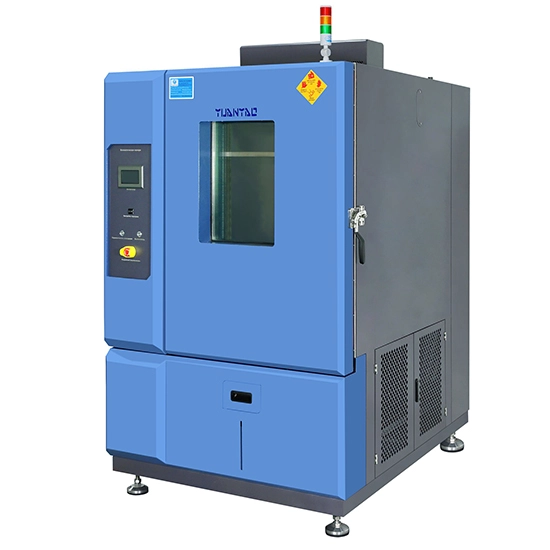
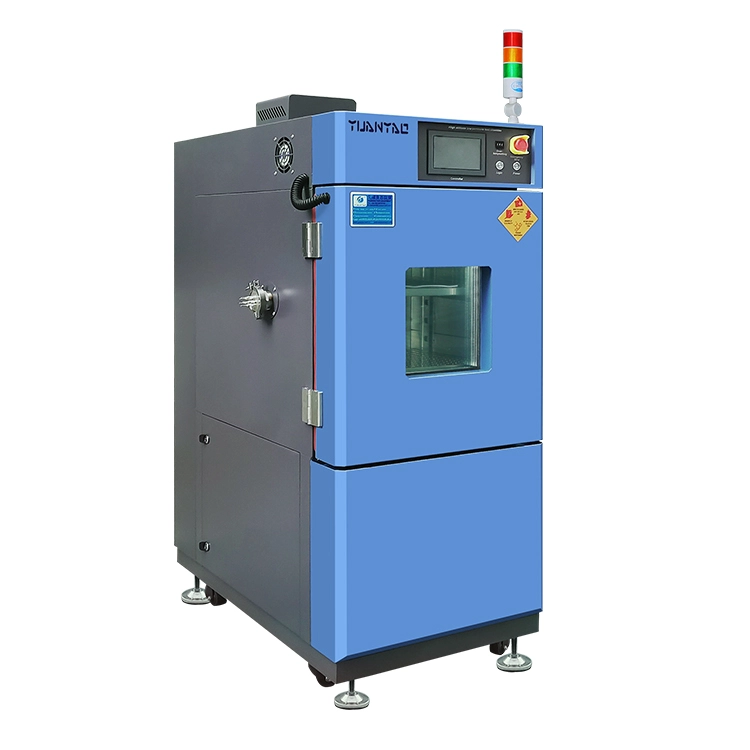
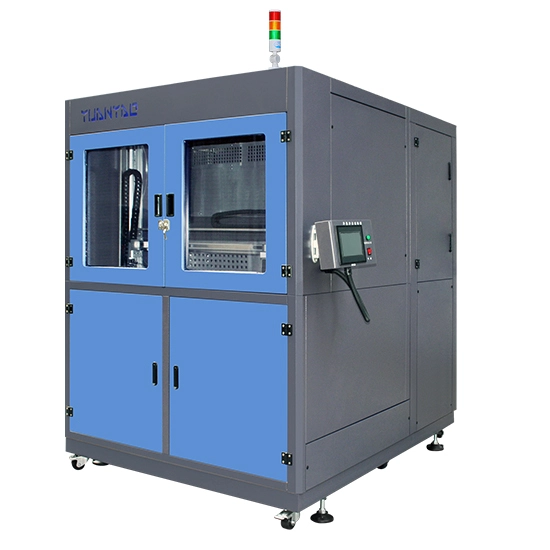
Yuanyao’s rapid-rate temperature cycling chamber lists selectable temperature-change rates of 3, 5, 8, 10 and 15°C/min under specified empty-chamber conditions. Available rapid-rate operating zones and overall test-temperature ranges depend on model and configuration; the listed rates must not be assumed to apply across the full chamber range or to a loaded semiconductor package. Confirm actual specimen behavior and the product-specific upper/lower temperatures, dwells and number of cycles in the test plan.

Package temperature mapping measures the actual response of representative specimens at selected locations. Use instrumented dummy packages or suitable probes where practical, then compare the resulting traces with the controller's chamber-air record.
Mapping is especially important when fixtures are dense or when multiple package types share a batch. Document sensor placement, fixture geometry and any thermocouple attachment method, since these choices affect interpretation. Maintain separate records for chamber-air temperature and specimen temperature; a controller trace alone cannot verify die-level stresses. Do not infer internal die temperature solely from chamber setpoint.
Humidity testing exposes components or assemblies to a controlled moisture environment to investigate moisture-related vulnerabilities. It complements temperature cycling but addresses a different stress pathway, so the two should not be combined into an arbitrary profile without qualification guidance.
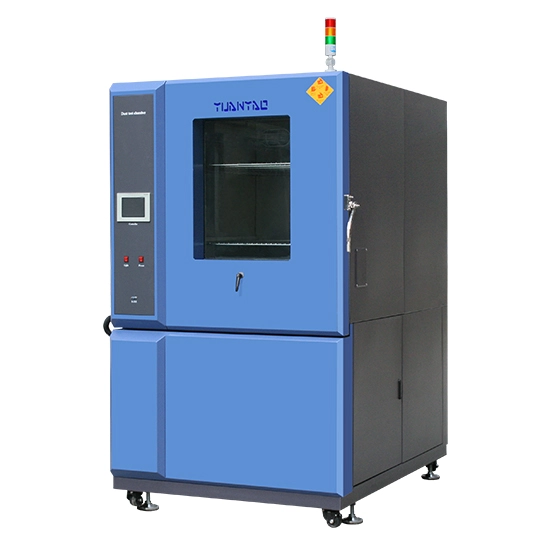
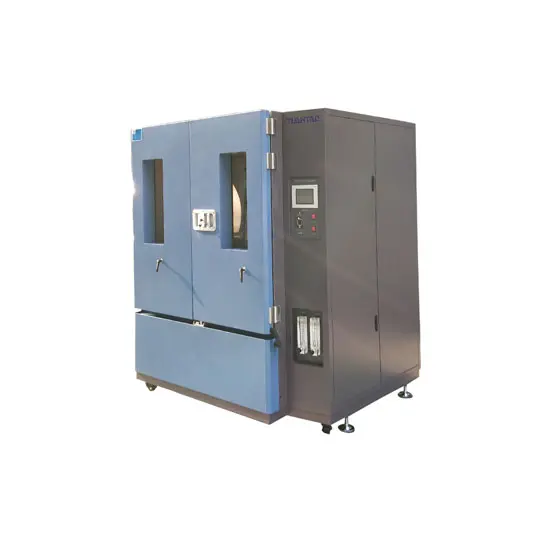
Where specified, Yuanyao's constant temperature and humidity test chamber family supports climate exposure planning. Yuanyao’s standard programmable temperature-humidity chamber specifications include a 20%–98% RH humidity-control range on specified configurations. Confirm the selected model’s temperature-humidity operating envelope, because a catalog humidity range is not necessarily available at every chamber temperature. Test specifications should define the temperature–humidity combinations actually required.
A false comparison occurs when test results from unlike profiles or unlike loads are interpreted as direct measures of product superiority. Identical chamber labels do not guarantee identical specimen stress. Different dwell times, fixtures, monitoring intervals or pass/fail thresholds can change the conclusions.
Record the exact profile, specimen revision, population size, failures and censoring rules. If one material stack shows fewer defects after a trial, the evidence should be framed as performance under those specified conditions, not a universal life prediction.
An equipment RFQ for semiconductor reliability defines the test profile and evidence needed to verify chamber capability. State the specimen dimensions and mass, required ranges, ramp or recovery criteria, airflow restrictions, instrumentation, data export and proposed qualification standard.
For broad semiconductor environmental testing, distinguish the equipment's published capability from the device's final compliance outcome. Ask the supplier to explain the loaded performance demonstration and the limits of the proposed chamber so the test engineer can defend the selection. Provide the applicable method and revision, target specimen temperatures, dwell times, cycles, fixture/load mass and required data records; ask Yuanyao for a loaded chamber performance demonstration and a model-specific proposal that addresses thermal cycling versus thermal shock equipment. Do not infer JEDEC compliance from a model name or advertised ramp rate.
No. It is evidence under defined accelerated or qualification stresses, and lifetime extrapolation requires a supported model.
Not necessarily; loaded temperature mapping helps reveal delays.
No. Follow the exact test standard and method selection.
No. Loaded profile control, dwell, capacity and reproducibility also matter.
No. Add it only when supported by the chosen test objective and method.
A loaded capability demonstration tied to the proposed profile and acceptance criteria.
For advanced semiconductor packages, credible reliability testing begins with the failure mechanism and ends with a reproducible record. Yuanyao provides temperature cycling, thermal shock and environmental test solutions for semiconductor-related reliability evaluation. Send the relevant test method and revision, package type, target loaded profile, specimen mass, fixture configuration and data-recording requirements to request a chamber-specific technical assessment.

 English