+86-13532971605

A corroded test sample does not explain why a product failed. A useful cyclic corrosion test connects the location and form of damage with materials, coating preparation, geometry, exposure history and inspection rules. That distinction matters for industrial enclosures, coated components and other hardware where the objective is to improve a design, not merely produce an alarming photograph.
A cyclic corrosion failure is damage or a measured property change that exceeds a defined acceptance criterion after repeated corrosive environmental exposures. Depending on the product, that criterion may concern visible corrosion, coating delamination, scribe creep, functionality or another contractually defined outcome.
Corrosion results should always be interpreted in relation to the specified method and sample condition. A test may reveal vulnerabilities under that exposure, but it does not by itself determine actual service life in years.
Damage-location analysis means recording where deterioration occurs relative to edges, holes, joints, welds, fasteners and exposed substrate. Localized attack can indicate a different design problem from broadly distributed surface change.
For a root-cause meeting, compare intact surfaces with cut edges and assembly joints. Record whether corrosion began at coating damage, trapped-liquid regions or dissimilar-metal contacts. This helps decide which variables to investigate and avoids attributing every failure to the coating formulation alone.
Surface rust is visible corrosion product, while coating breakdown is deterioration in a protective layer's performance or adhesion. The two can coincide, but a report should describe each observable feature separately.
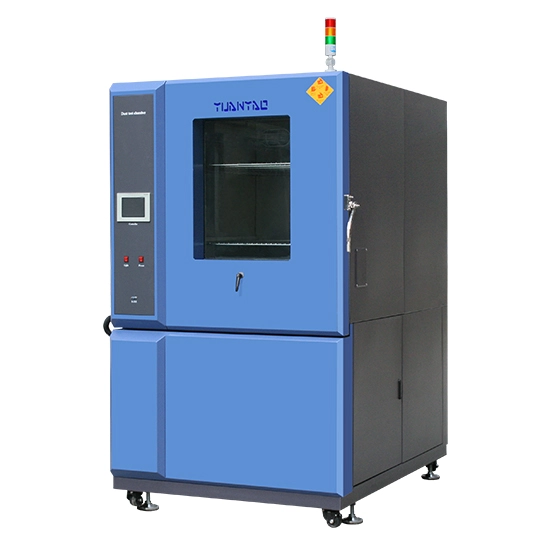
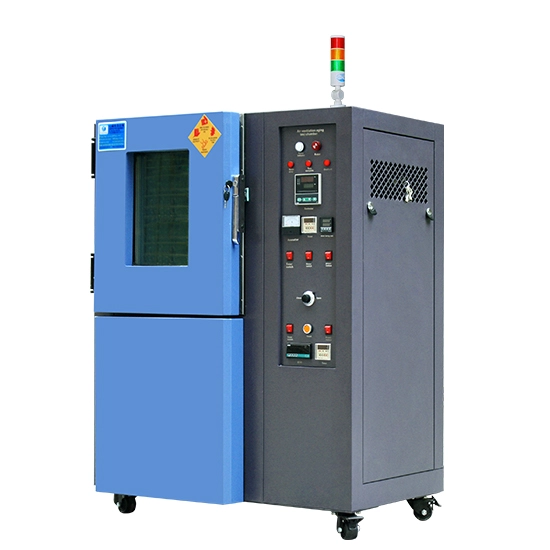
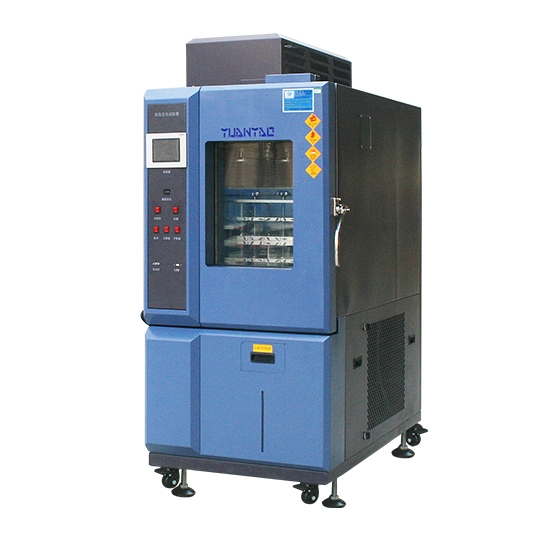
A cyclic corrosion tester can expose samples to a defined sequence of conditions. The resulting interpretation still depends on sample preparation, inspection frequency and acceptance criteria. Photograph samples using consistent lighting and scale, and identify the precise inspection method rather than relying on subjective descriptions.
An exposure sequence is the ordered combination of salt fog, humidity, wetting, drying or other conditions specified by a cyclic method. Deviations in sequence or duration can affect which failure mechanisms are accelerated.
A conventional continuous salt spray exposure should not be presented as equivalent to every cyclic method. Yuanyao presents salt-spray and cyclic-corrosion applications in its corrosion equipment offering, but capabilities depend on the ordered chamber and its controller. Verify the selected model can actually execute every required fog, wetting, drying, temperature and humidity step, including changeover behavior and records, before describing it as compliant with a specific cyclic method.

A failure-analysis matrix associates visible symptoms with possible causes and the evidence needed to evaluate them. It is a screening tool, not proof of causation.
Observed condition | Corrosion at edges | Localized damage at joints | Widespread discoloration | Coating lift near a defect |
Possible investigation path | Edge preparation or coating coverage | Crevice geometry or retained electrolyte | Exposure or surface chemistry | Pretreatment or adhesion problem |
Evidence to collect | Cross-section, edge thickness | Joint design and drainage inspection | Method logs and material identification | Adhesion and cross-section testing |
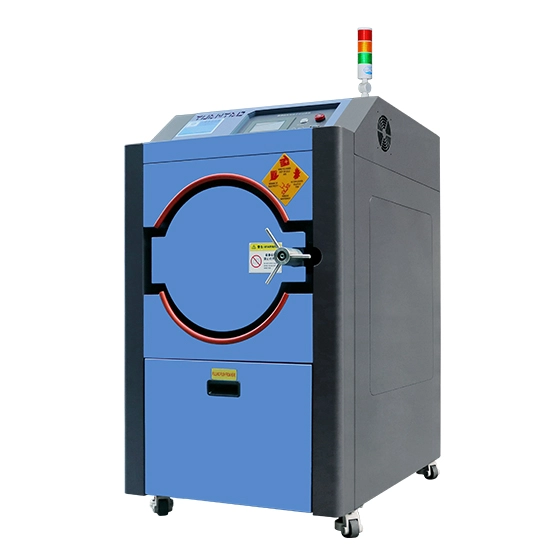
For coated outdoor enclosures, ingress protection and corrosion resistance answer different engineering questions. If water or dust ingress is also a product risk, ip testing equipment can support a separately specified enclosure qualification; it does not reproduce corrosive salt exposure or replace a cyclic corrosion sequence. For the corrosion study itself, specify the corrosion-cycle controls and specimen supports first; add ingress protection qualification only when the same enclosure project separately calls for water or dust resistance. The corrosion-equipment quotation should identify the required inspection records.
Reproducibility is the ability to obtain reasonably consistent results under defined test conditions across repeats. Chamber log records help determine whether a difference arose from the specimens or from the exposure environment.
Review salt solution preparation where required, temperature, humidity, spray operation, cycle transitions and maintenance records. Compare the sensor readings with the applicable procedure, and document any downtime. Do not discard a run because the product result is inconvenient; distinguish a valid failure from an invalid exposure with objective evidence.
A modified corrosion method changes the exposure pattern to address a particular materials or specification question. Selection should be based on the relevant standard, buyer requirements and expected environment—not on a wish to force rapid failure.
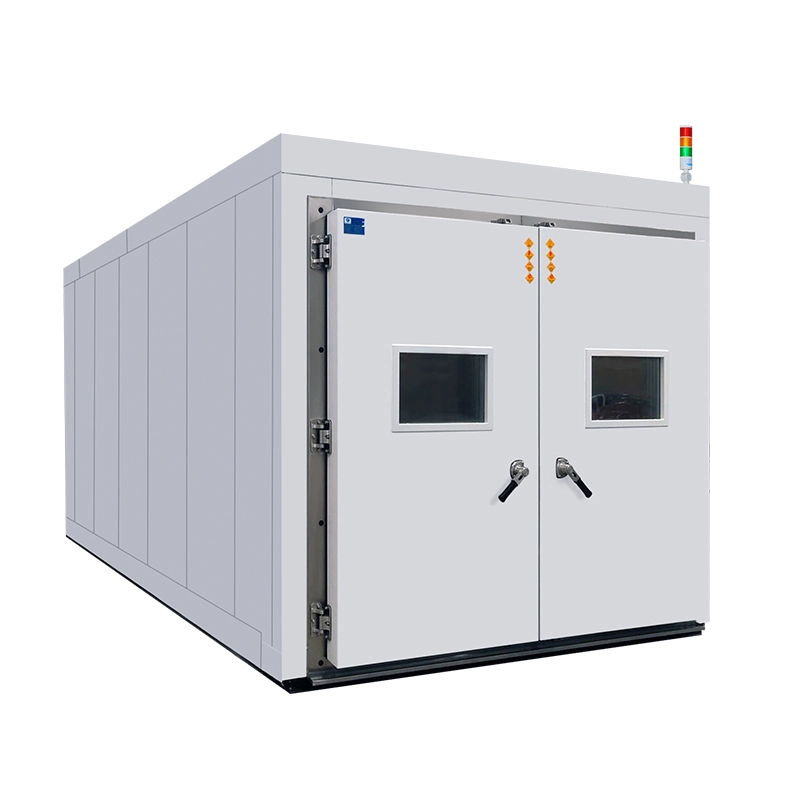
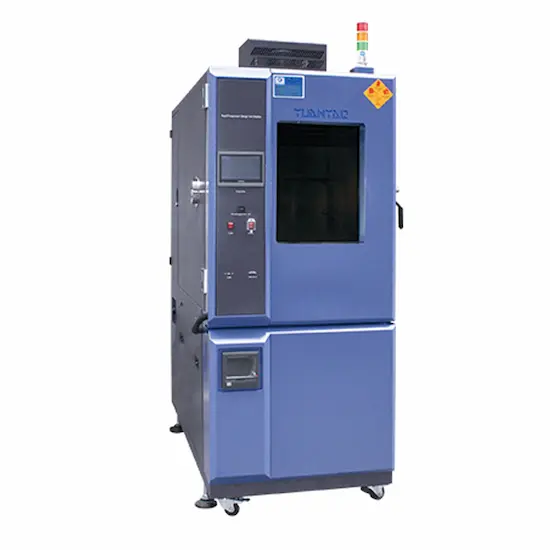
If a large assembled enclosure also needs separate damp-heat evaluation, a walk in humidity chamber may be appropriate for that independent scope. It must not be represented as a substitute for the specified corrosion cycle; confirm salt fog, wetting, drying and transition controls on the chosen corrosion tester. ASTM G85 contains distinct modified salt-spray practices; identify the applicable annex and its exposure conditions rather than treating all methods as a single universal cyclic program. Laboratory exposure hours do not by themselves convert into years of field service. The exact annex and customer acceptance rule must be identified before commissioning.

Corrective-action verification is the process of checking whether a proposed design or process change addresses the demonstrated failure. Retest a controlled comparison with clearly identified old and new versions, rather than changing several features at once and attributing improvement to one.
Record the coating system, pretreatment, edge condition, assembly design and exposure procedure. A successful re-test supports improvement under those conditions; further evidence may still be needed for field performance or a different exposure class.
No. Specimen condition and method differences can change the result.
Not reliably without an independently validated correlation.
No. Inspect edge coverage and geometry separately.
Only with clear qualifications about their differing exposures.
Yes. They help investigate environmental variation and deviations.
Document the mechanism hypothesis, change control and a comparable verification trial.
Cyclic corrosion testing delivers the most value when every observed defect produces a testable engineering question. Yuanyao provides corrosion-testing equipment for salt spray and related corrosion evaluation needs; defining the precise cycle, inspection method and evidence package helps laboratories convert failures into practical corrective action.


 English