+86-13532971605

A semiconductor nitrogen oven is not simply a heated cabinet with a gas connection. In oxidation-sensitive baking, the equipment must control both the thermal environment and the atmosphere surrounding assemblies, substrates, metal surfaces or process materials. For purchasing and process engineers, the real question is whether oxygen exposure, product temperature and production movement can be managed together without creating a bottleneck.
A nitrogen oven is a heated chamber that introduces inert gas to reduce the oxygen available around processed materials. It can be relevant when heated surfaces, metallization or process materials are susceptible to unwanted oxidation. Whether nitrogen is required depends on the process specification; ordinary air ovens can remain suitable for oxidation-tolerant work.
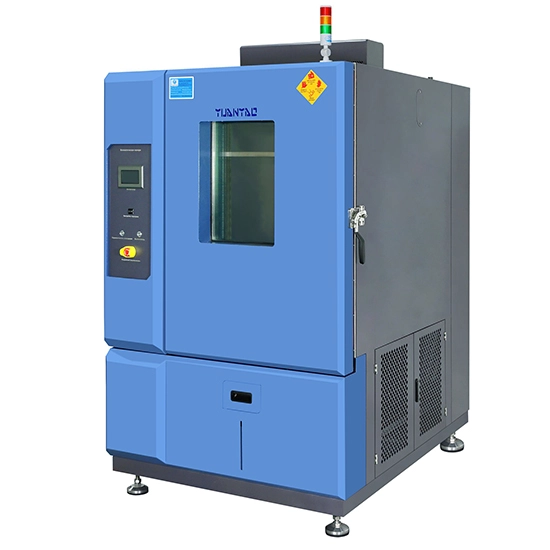
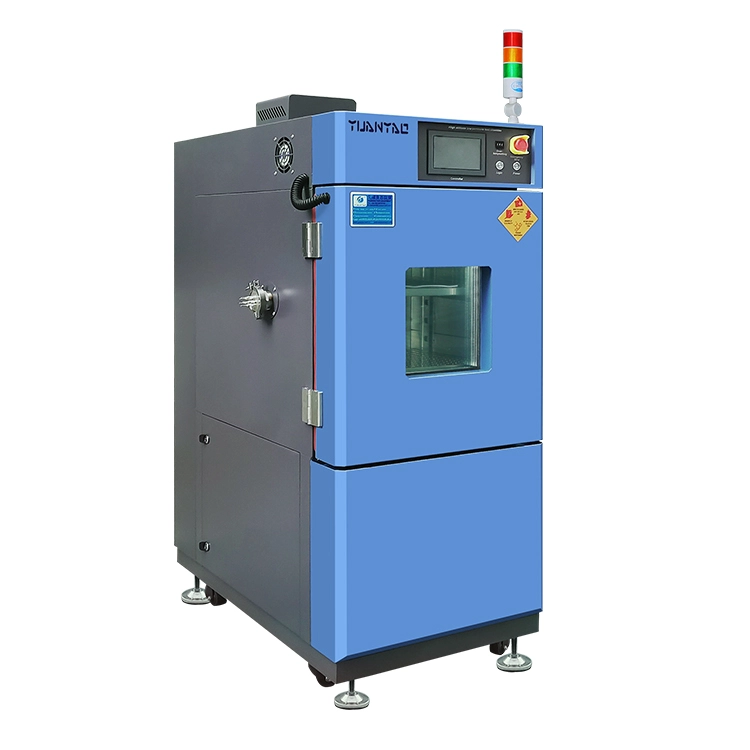
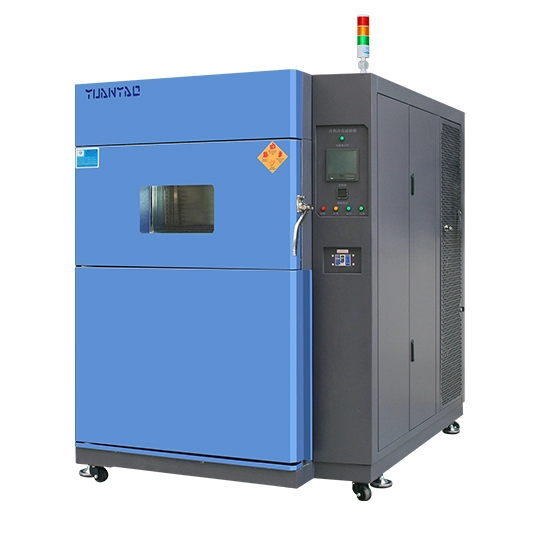
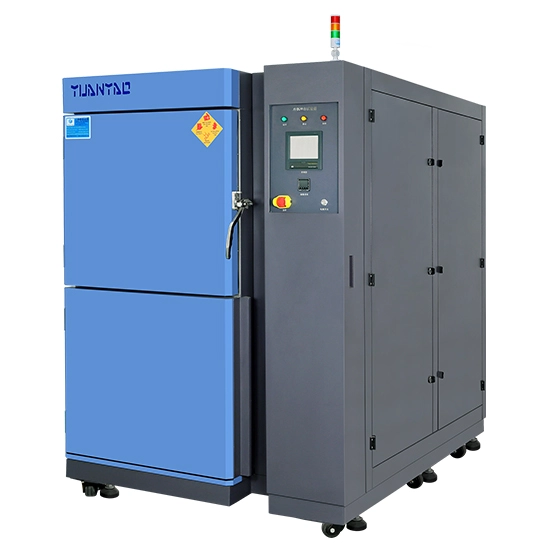
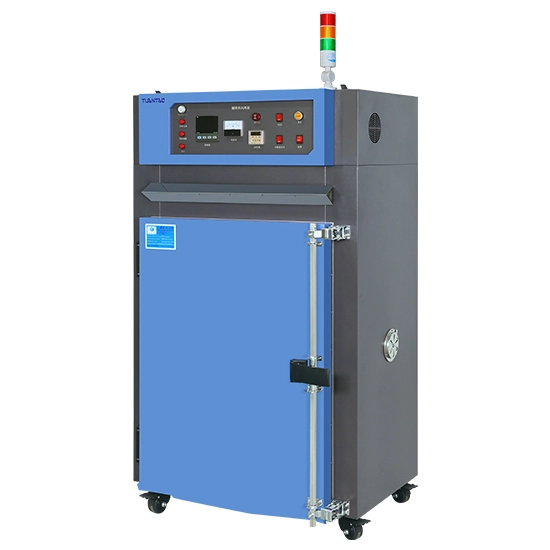
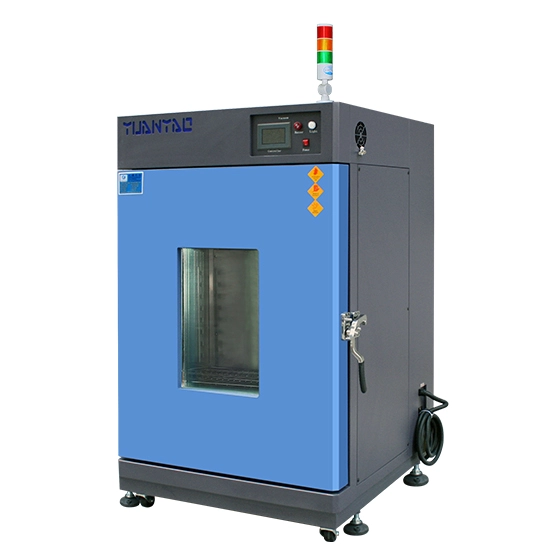
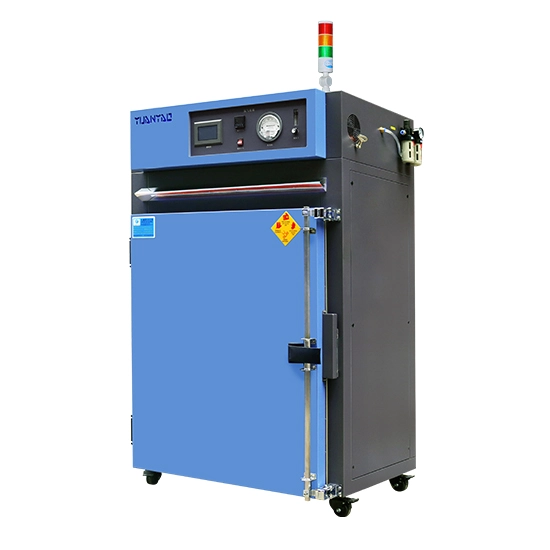
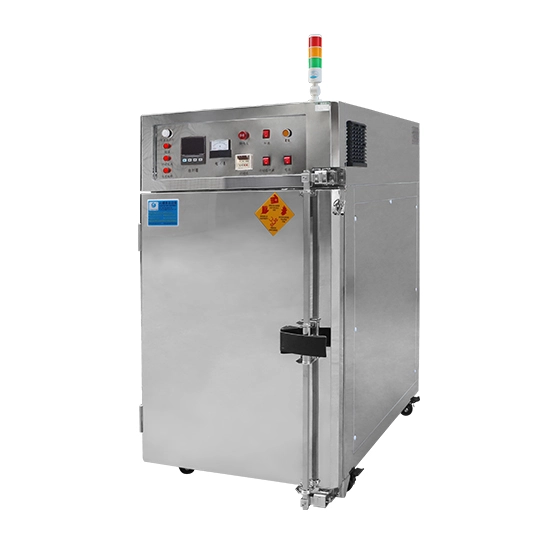
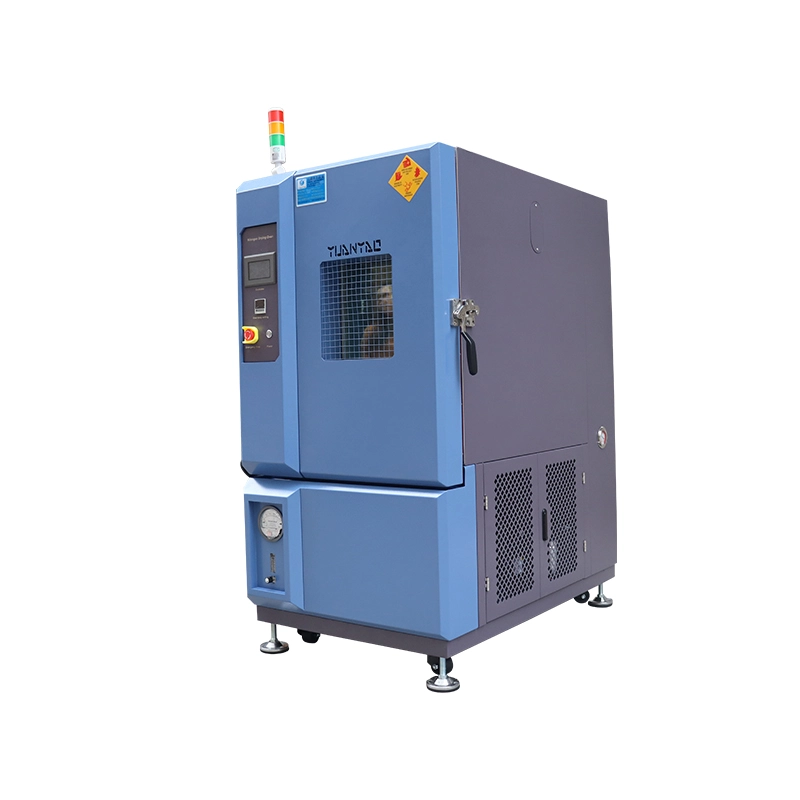
Yuanyao offers standard and customized nitrogen drying ovens for electronics and semiconductor-related heat treatment. They are candidates for package-material baking and oxidation-sensitive component processing when material compatibility and the required atmosphere have been established; the equipment is not automatically suitable for semiconductor front-end wafer processing. The process owner should first identify the materials being exposed, their maximum permissible temperature, and whether the required atmosphere is expressed as an oxygen concentration or simply as a nitrogen purge procedure. A low-oxygen atmosphere is not automatically a particle-clean environment.

Oxygen control means measuring or managing the residual oxygen present in the oven atmosphere during processing. A gas flow setting alone cannot confirm the oxygen concentration at the product. Door openings, seal condition, loads and gas distribution can change the atmosphere after the initial purge.
When comparing an n2 oven with other heating systems, ask where the oxygen sensor is located, whether the analyzer is standard or optional, how the chamber recovers after loading, and whether oxygen data can be recorded. For Yuanyao nitrogen drying ovens, specify the required residual-oxygen limit and request a model-specific written confirmation of the measurement units, sensor position, analyzer configuration and operating conditions. Avoid relying on a general catalog range as a guaranteed oxygen concentration under every load. Confirm sensor installation, calibration, loaded-condition readings and post-door-opening recovery in the quotation.
Temperature uniformity is the variation in temperature across a defined working volume under specified operating conditions. A controller reaching setpoint does not prove that every tray or package has reached the same temperature. Shelf density, airflow obstruction and thermal mass influence the actual heating response.
Yuanyao lists temperature fluctuation of ±0.3°C for its standard YNO nitrogen drying oven series. The separately published temperature-uniformity notation requires clarification before use as a contractual acceptance limit. Buyers should obtain a model-specific definition, measurement positions and loaded acceptance conditions rather than assuming a universal uniformity guarantee. Thermocouples on representative dummy parts provide more useful evidence than a single controller display.

A nitrogen oven uses an inert-gas atmosphere at or near its designed operating pressure, whereas a vacuum oven reduces chamber pressure to support processes such as drying or degassing. These mechanisms solve different problems, even when both help reduce oxygen exposure.
Selection question | Main process variable | Typical decision driver | Critical commissioning check | Key purchasing concern |
Nitrogen baking | Residual oxygen and heat | Oxidation-sensitive surfaces | Oxygen recovery after door opening | Gas supply, purge and seals |
Vacuum drying | Pressure, heat and moisture removal | Trapped moisture or volatile removal | Pressure stability and drying endpoint | Pump capacity, seals and vapor handling |
Where moisture removal drives the specification, a vacuum oven supplier should be asked for a pressure-versus-time trial rather than only a maximum temperature figure. Neither process should be chosen solely because it sounds more advanced.
Chamber loading describes the arrangement, density and thermal mass of parts placed in the working space. Dense trays can obstruct airflow and increase the time between oven-air setpoint and actual component temperature. That delay affects recipe repeatability and usable line capacity.
For a practical factory acceptance test, place temperature sensors near likely cold spots and representative product masses, then log the complete heat-up, dwell and cooling sequence. Define how many trays can be processed without exceeding the allowed spread in part temperature. This establishes a loading rule that production staff can reproduce.

Published equipment specifications are preliminary selection data, not proof that every customer's process recipe is achievable. Yuanyao lists standard YNO-072 through YNO-1000 models, with interior dimensions ranging from 40 × 45 × 40 cm to 100 × 100 × 100 cm. The YNO standard series lists RT+25°C to 200°C in its detailed parameter table, with higher-temperature arrangements subject to configuration. Confirm the ordered model’s rated temperature and compatible chamber materials in the quotation.
These figures should be read together with the product's material compatibility, electrical requirements and process validation plan. Larger space is not automatically better; a half-loaded large oven can consume more nitrogen and floor area without increasing actual accepted throughput.
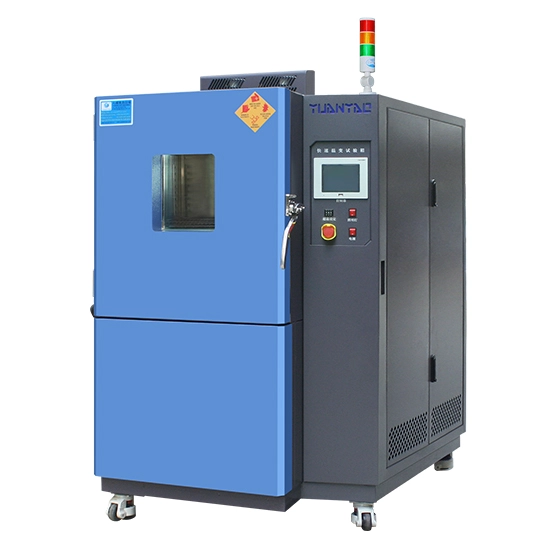
Fast cooling is a controlled reduction in chamber or load temperature after the heating stage. It can shorten the period before an operator can safely move parts to the next process, provided the cooling method does not compromise the material or atmosphere requirements.
Yuanyao’s customized fast-cooling YNO oven series publishes a chamber-cooling example from 200°C to 40°C within 30 minutes for its stated configuration. That number describes the published equipment configuration, not a universal semiconductor package cooling time. Ask for evidence with the actual load and verify the oxygen behavior during cooling and unloading.
An equipment RFQ is a specification request that lets suppliers propose a configuration against measurable acceptance criteria. Include package or substrate materials, tray dimensions, total load mass, process temperature, soak duration, allowable residual oxygen at the sensing point, nitrogen supply conditions, cycle time and data-recording needs. Ask for a representative loaded temperature map, atmosphere recovery trial and written confirmation of any particle-cleanliness requirement.
If the same production line also performs thermal qualification, treat heating and reliability testing as separate objectives. A semiconductor environmental testing requirement should describe its test stresses, specimen condition and pass/fail measures independently of a manufacturing bake recipe. This separation prevents buying one device to do two fundamentally different jobs.
No. Lower oxygen and lower airborne particle contamination are different requirements; particle performance needs its own evidence.
Not automatically. Leakage, purging, load materials and the specified residual oxygen level still matter.
It is valuable when a measurable oxygen limit forms part of process acceptance; confirm analyzer options and calibration.
No. Load mass, allowable material temperatures and process objectives may differ.
Critical processes should validate representative part temperatures as well as controller readings.
No. Thermal stress and atmosphere management must be considered before accelerating cooling.
A semiconductor nitrogen oven should be purchased against a validated process window, not a brochure headline. For a useful engineering quotation, distinguish the maximum production load from a typical batch and identify the required oxygen measurement location and atmosphere recovery test. Yuanyao provides standard and customized nitrogen drying options for qualifying controlled-atmosphere heating processes. Send the required residual oxygen target, load and tray arrangement, part-temperature tolerance, nitrogen supply and desired cycle time to request a model-specific acceptance proposal.

 English