+86-13532971605

Two laboratories may both report a xenon exposure in hours yet obtain visibly different material degradation. This does not necessarily mean that either test was performed incorrectly. Differences in filtering, irradiance, moisture, temperature, specimen construction and evaluation method can make elapsed exposure time an incomplete description of the stress applied.
A xenon weathering result is an observed change in a material after controlled exposure to xenon light and selected environmental conditions. Depending on the product, the meaningful result may be color change, loss of gloss, cracking, embrittlement or another agreed property—not simply the number of hours completed.
Before comparing test reports, make sure they evaluate the same performance property, at the same interval, using a consistent specimen preparation procedure. A difference in failure definition can change the apparent result even with similar apparatus settings.
Light dose is the accumulated radiant exposure received at the chosen measurement wavelength or band. It depends on the irradiance and duration, so equal hours do not guarantee equal delivered energy when lamp control, calibration or the selected spectral reference differs.
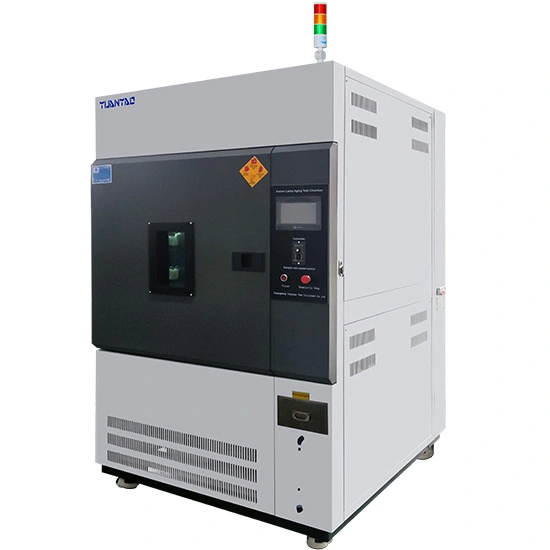
Yuanyao’s YXEL-series xenon arc chamber table identifies a 290–800 nm wavelength range. For any project-specific irradiance requirement, request a documented measurement band, control wavelength, sensor location and calibrated setting for the selected model. Do not treat a general catalog radiation-intensity figure as proof of compliance with a particular ISO or ASTM method. A xenon test chamber evaluation should request the actual control wavelength or band and the calibrated reading used for the standard under consideration.
A spectral filter modifies which wavelengths reach the sample. Different filter combinations can influence how a polymer, pigment or coating responds, particularly when its degradation chemistry is wavelength-sensitive.
Confirm the filter type and intended use condition before assuming results are comparable. Indoor exposure through glass and direct outdoor weathering are not necessarily represented by the same optical arrangement. Report the filter, lamp and any relevant service-life or calibration information.
Moisture cycling means exposing samples to controlled wetting or humidity periods within an accelerated weathering program. Wetting can alter degradation pathways and observed damage; two programs with matching light exposure may still behave differently if spray timing or humidity conditions diverge.
Yuanyao’s published xenon chamber configuration lists adjustable rain duration and rain-cycle settings; confirm that the selected model and controller support the exact wetting sequence required by the intended method. The test plan should identify whether moisture is applied by spray, humidity or a specified sequence, and whether wetting is an essential part of the product's intended service environment.
Specimen preparation is the controlled selection, conditioning, mounting and handling of samples before exposure. Differences in sample thickness, coating application, color, backing or edge sealing may overwhelm minor chamber differences.
Use representative controls and document the sample batch. Where appropriate, expose multiple equivalent specimens and evaluate the spread in results rather than reporting a single visually striking failure. A photo without an evaluation method is useful evidence of appearance but not a complete quantitative test report.
A comparable exposure report identifies enough conditions for another laboratory to interpret and, where appropriate, repeat the test. The equipment make and model alone are insufficient.
Reporting item | Light source and filters | Irradiance and monitoring band | Temperature and humidity | Spray and dark periods | Material assessment method |
Why it matters | Determines incident spectrum | Defines energy exposure | Changes degradation pathway | Alters moisture stress | Defines reported failure |
Action when missing | Request filter specification | Request calibrated settings | Obtain logged profile | Request exact cycle | Reconcile acceptance criteria |
When considering uv aging testing as a complementary method, also confirm sample rotation, working volume and access for maintenance in the chosen xenon equipment. Yuanyao's listed YXEL family has working sizes from 60 × 60 × 60 cm to 100 × 100 × 100 cm; specimen positioning still needs a reproducible procedure.
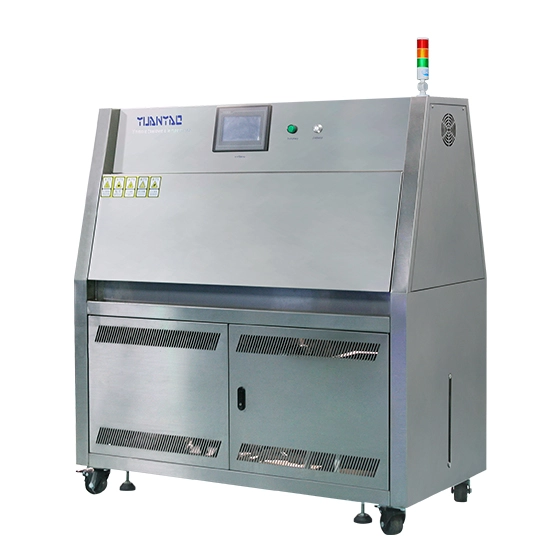
A comparison between xenon and fluorescent UV exposure is meaningful only when it addresses the intended degradation mechanism and test requirements. The devices use different light-source approaches, so numerical exposure time should not be converted between them using an arbitrary fixed ratio.
For some programs, an uv aging test chamber is appropriate; for others a xenon-based simulation better matches the prescribed spectral and moisture conditions. Select the method named by the applicable specification or justified by product performance evidence.

An unexpected weathering failure is a result that falls outside the anticipated performance distribution or acceptance rule. Preserve the raw records first; then investigate sample identity, sensor calibration, filters, exposure sequence, fixture position and evaluation method before repeating a test.
A controlled repeat should change one suspected variable at a time when feasible. Otherwise, a passing second run may leave the root cause unresolved. Document any deviation rather than silently averaging conflicting runs.
A triage check is a short evidence review that separates a specimen difference from an exposure-control difference before additional test time is spent. First ask whether the same material lot, thickness, mounting and evaluation criterion were used. Next compare irradiance band, filters, wetting program and logged temperature rather than elapsed hours alone. Finally inspect calibration and lamp/filter replacement records to decide whether an equipment-related cause remains plausible.
If a discrepancy persists, document a controlled repeat with reference specimens, calibration evidence, a fixed exposure recipe and predefined acceptance criteria. A repeat that silently changes the light filter and moisture cycle cannot isolate the original cause.
No. Irradiance, spectrum, moisture and evaluation conditions also matter.
No. Match the required irradiance and method instead of maximizing power.
No. The spectral and environmental profiles differ.
Where appropriate, controls improve comparison and interpretation.
Not when a quantitative acceptance method is required.
Compare original profiles, instrument records and specimen preparation before retesting.
Trustworthy xenon weathering data requires reproducible exposure conditions and a clear definition of material failure. Yuanyao offers xenon aging systems with controllable environmental functions; laboratory teams can improve purchasing decisions and reduce repeat testing by specifying how light, moisture and sample assessment will be documented.

 English