+86-13532971605

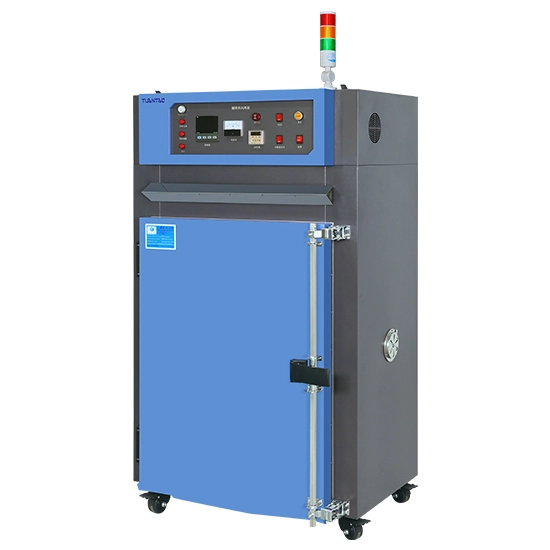
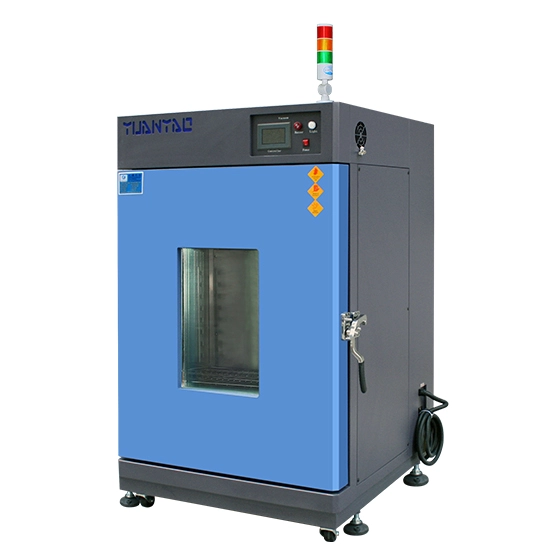
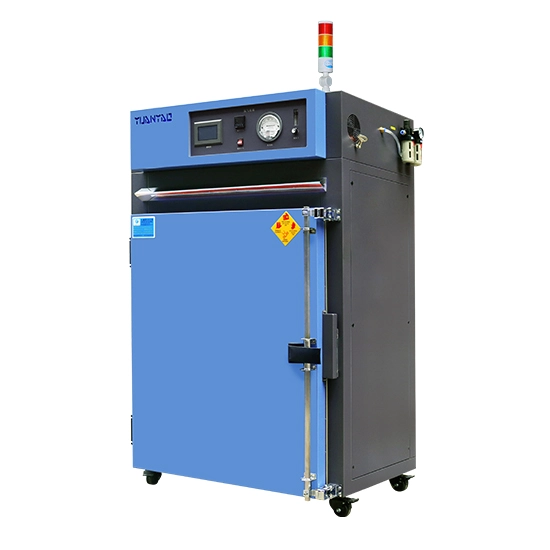
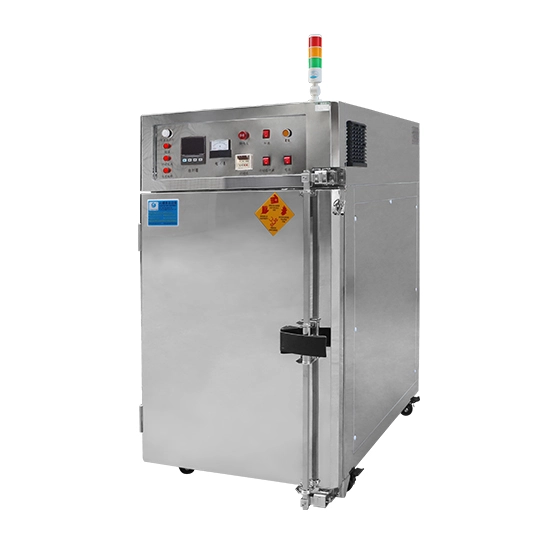
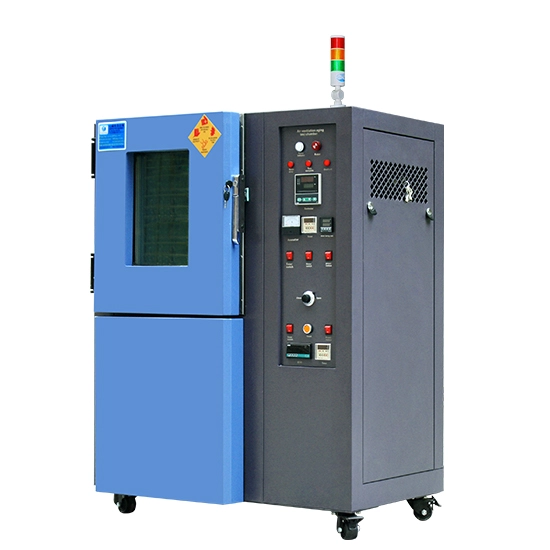
As the automotive industry accelerates toward electrification and intelligent driving, the demand for motors—main drive units, thermal management pumps, and precision servo actuators—has surged. Yet behind every reliable motor lies a less visible but equally critical process: proper drying. Motor drying ovens play a decisive role in ensuring insulation integrity, eliminating moisture-related defects, and extending service life. As motor designs evolve toward higher power density, tighter tolerances, and stricter safety requirements, the drying oven has become an engineering tool—not just a heating box.

Motors are complex assemblies of copper windings, magnetic materials, insulation systems, and precision mechanical components. Moisture trapped within these structures can cause:
Insulation degradation: Residual moisture lowers dielectric strength and accelerates aging of enamel and varnish.
Corrosion: Moisture promotes oxidation of magnetic steels and electrical contacts.
Performance drift: Humidity affects winding resistance and can alter torque characteristics.
Premature failure: In automotive applications, moisture-induced failures can compromise safety-critical systems such as line-control braking, steering, and thermal management.
For motors used in electric vehicles, e-bikes, power tools, and industrial automation, effective drying is not optional—it is a quality gate.
A motor drying oven is only as good as its temperature distribution. Uneven heating creates hot spots and cold zones, leading to inconsistent drying, residual moisture in some areas, and over-drying or thermal damage in others.
Key requirements for motor drying ovens include:
Uniform airflow design: Optimized fan and duct systems ensure consistent temperature throughout the working chamber.
Tight temperature tolerance: Typically ±1°C to ±3°C across the usable space, depending on motor size and batch configuration.
Programmable profiles: Ramp-and-soak control allows precise drying curves for different insulation systems and varnish chemistries.
Even load placement: Adjustable shelves and airflow channels accommodate motors of various sizes without blocking circulation.
Temperature uniformity directly translates into consistent drying results, reduced scrap rates, and repeatable motor performance.
A drying oven is not simply a heated enclosure. Its sealing and insulation design determines how efficiently and reliably it performs.
Sealing prevents air leakage and moisture ingress during the drying cycle. For solvent-based varnishes or humidity-sensitive processes, a well-sealed chamber maintains a stable internal environment, prevents contamination, and improves energy efficiency.
Insulation minimizes heat loss through the chamber walls, door, and penetrations. Good insulation ensures:
Stable internal temperature regardless of ambient conditions
Lower energy consumption
Faster heat-up and recovery times
Safer surface temperatures for operators
For motors with temperature-sensitive components, precise control over the thermal environment is essential. Inferior sealing or insulation can introduce cold spots, condensation, or inconsistent drying—defects that may not appear until the motor fails in the field.
Motors come in many forms—small precision servo actuators, large traction motors, integrated e-axle assemblies, and thermal management pumps. A single standard oven cannot serve all needs.
Customization capabilities for motor drying ovens include:
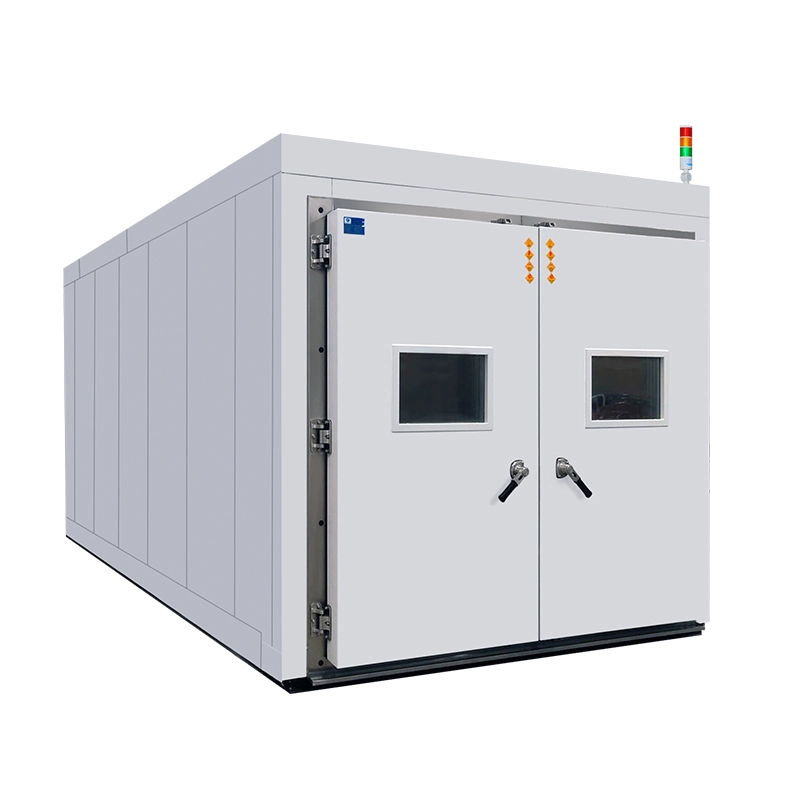
Chamber dimensions: From benchtop units to walk-in rooms for large traction motors or batch production.
Temperature ranges: Typically from ambient to 200°C or higher, with options for vacuum or inert gas atmospheres.
Airflow configuration: Horizontal or vertical flow, adjustable baffles, and directed nozzles for complex geometries.
Fixture and rack design: Custom shelving, rotating platforms, or motor-specific mounting fixtures to optimize airflow and loading.
Control and data logging: Multi-program controllers, remote monitoring, and traceable records for quality systems.
Safety features: Over-temperature protection, solvent vapor detection, and explosion-proof designs for varnish-curing applications.
Customization ensures the oven integrates seamlessly into the production line, meets cycle time targets, and delivers consistent results for every motor type.
Several trends are raising the bar for motor drying ovens:
Higher power density: More compact motors mean tighter clearances and greater sensitivity to moisture.
Advanced insulation systems: New varnishes and encapsulation materials require precise curing profiles.
Automotive quality standards: IATF 16949 and functional safety requirements demand traceable, repeatable processes.
Batch production: Electric vehicle motor production volumes require ovens capable of uniform drying across large loads.
Energy efficiency: Manufacturers seek ovens with optimized insulation and airflow to reduce operating costs.

Motor drying ovens are not a peripheral investment—they are a critical part of the motor manufacturing quality chain. As the automotive industry electrifies and motor designs become more demanding, the drying process must deliver:
Uniform temperature for consistent results
Reliable sealing and insulation for stable, efficient operation
Customized design to match specific motor types and production requirements
For motor manufacturers and Tier 1 suppliers, choosing the right drying oven partner is a strategic decision. A well-engineered, customized oven protects insulation integrity, reduces field failures, and supports the reliability that modern electric vehicles and intelligent systems demand.

 English