+86-13532971605


An EV charging connector must perform reliably in conditions ranging from a scorching summer parking lot to a freezing winter charging station—thousands of times over its service life. Before it can be tested for insertion and withdrawal durability, it must first be brought to the temperature and humidity conditions it will face in the real world. This process—environmental preconditioning—is a foundational step in qualifying EV charging connectors and depends on precise, reliable environmental chambers.
Insertion and withdrawal testing of charging guns is conducted under controlled conditions to assess mechanical durability, contact resistance, and latch performance. However, results are only meaningful if the connector is tested in a state reflecting real-world use. A connector that performs perfectly at 23°C may exhibit:
Increased insertion force at low temperatures due to material stiffening
Reduced contact reliability at high temperatures due to thermal expansion
Degraded insulation resistance after humidity exposure
Latch failure or housing deformation at temperature extremes
Environmental preconditioning ensures that the connector, its cable assembly, and sealing components are brought to the target temperature and humidity state before mechanical testing begins. This is not a secondary step; it is the difference between a test that predicts field performance and one that merely passes a bench procedure.
The process typically includes:
Temperature Soak: The connector is stabilized at a specified temperature—often -40°C to +85°C or higher—for a duration sufficient to ensure uniform thermal equilibrium throughout the assembly. The entire mass of the connector, cable, and sealing materials must stabilize.
Humidity Conditioning: For tests involving moisture exposure, the connector is subjected to high humidity (such as 85% or 95% RH) at elevated temperature for a defined period, simulating condensation and moisture absorption in real charging environments.
Thermal Cycling (where applicable): Some protocols require multiple temperature cycles before mechanical testing to verify that repeated environmental stress does not degrade performance.
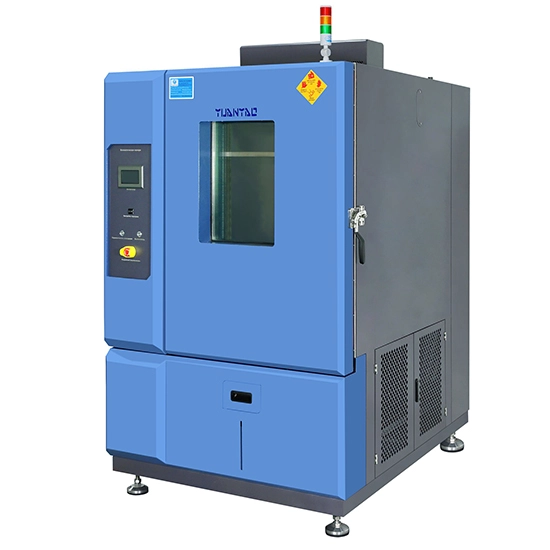
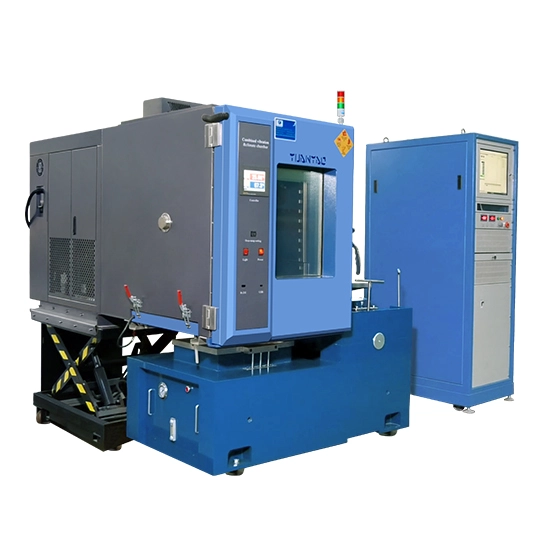
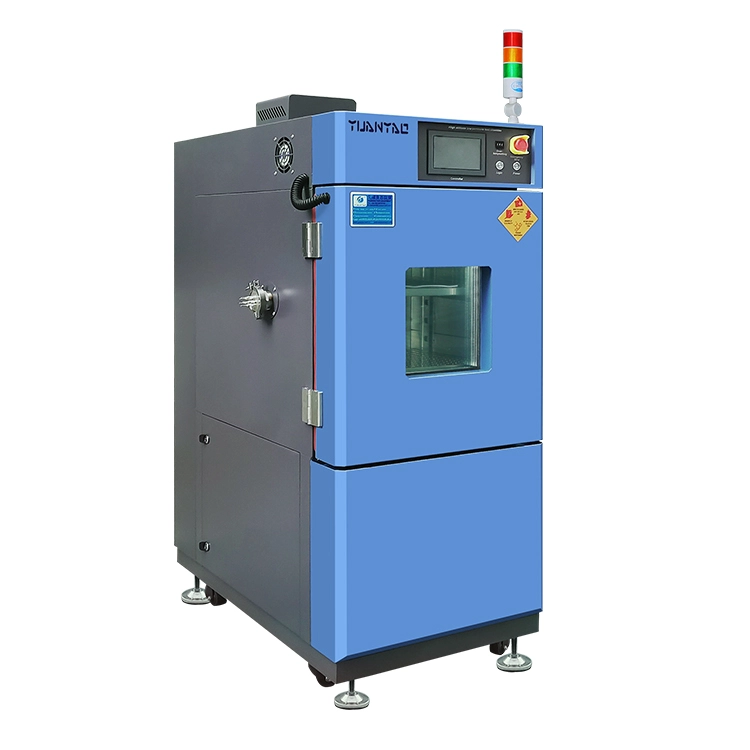
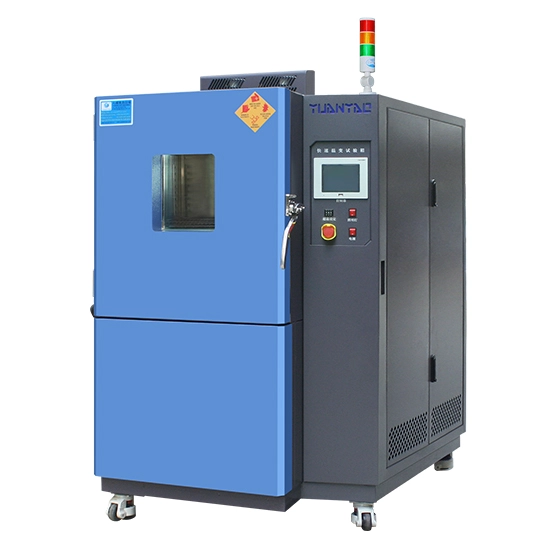
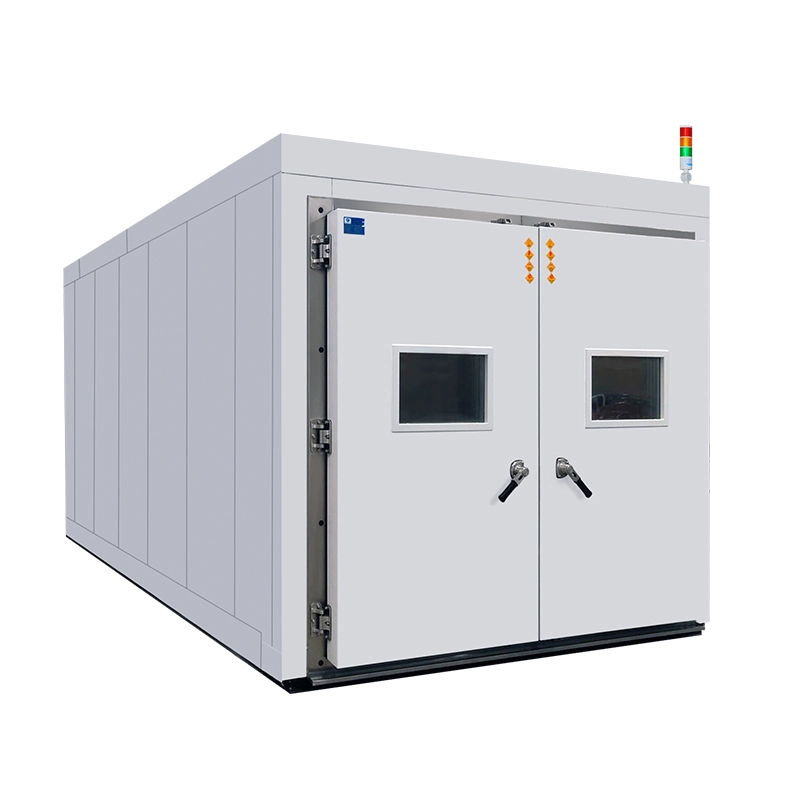
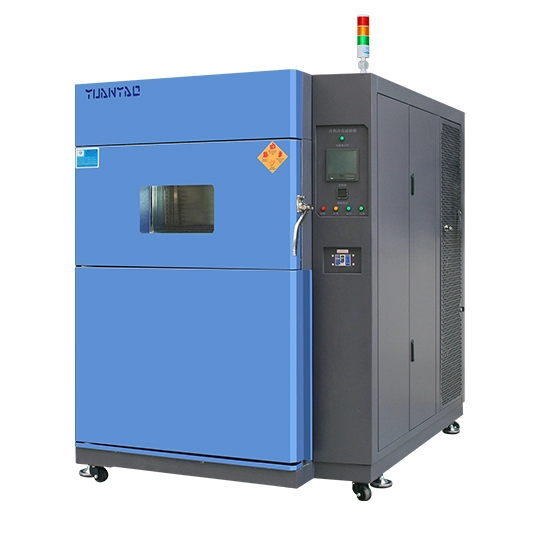
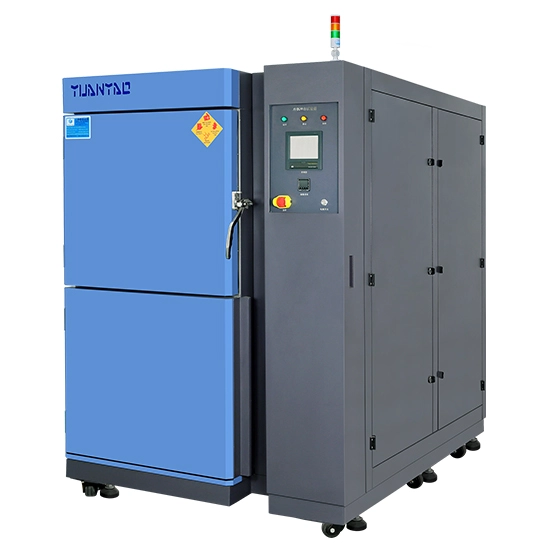
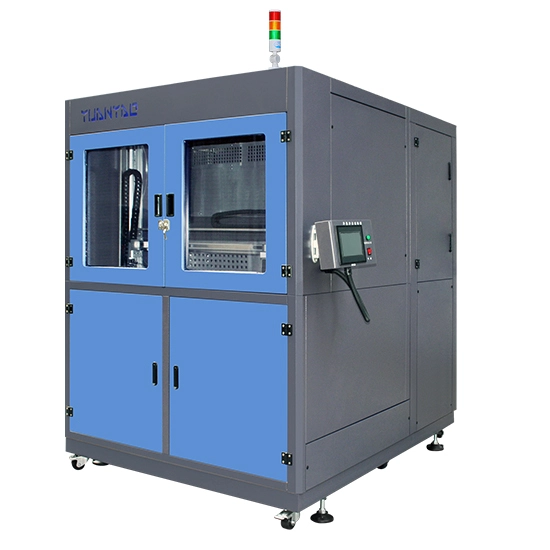
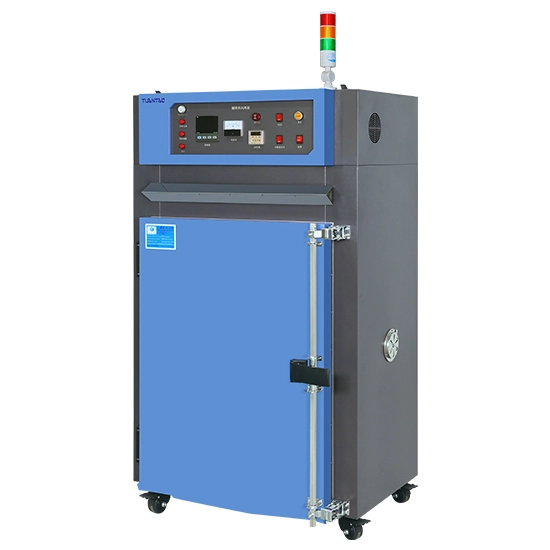
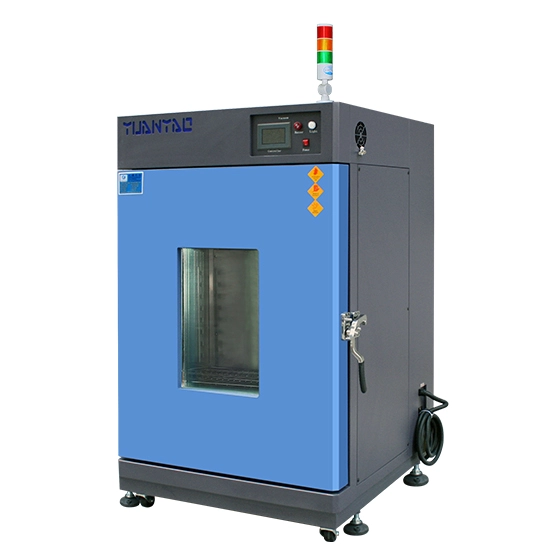
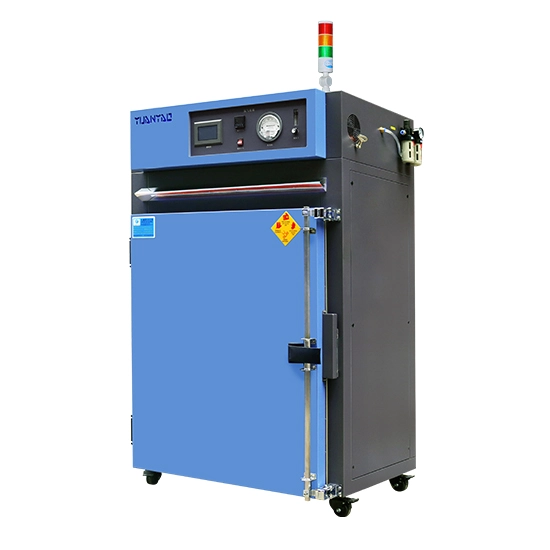
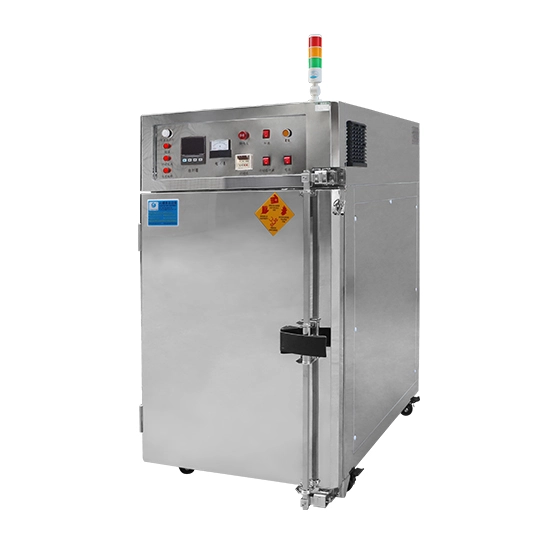
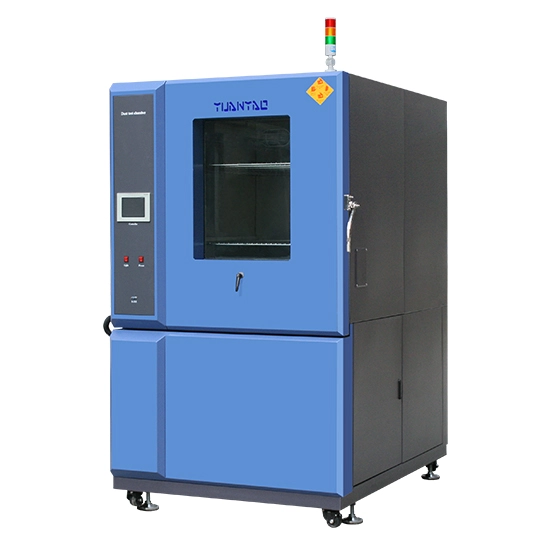
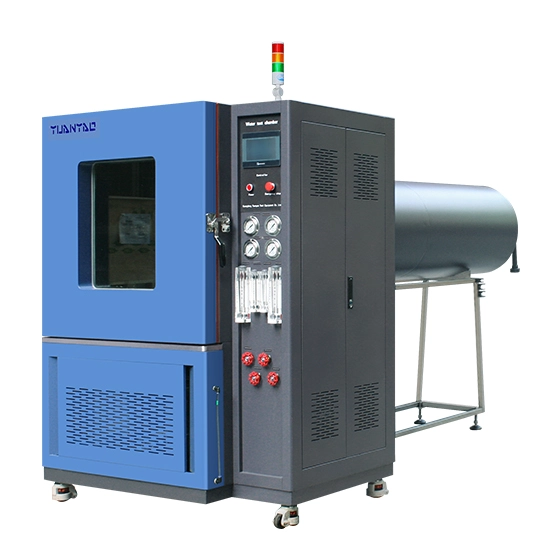
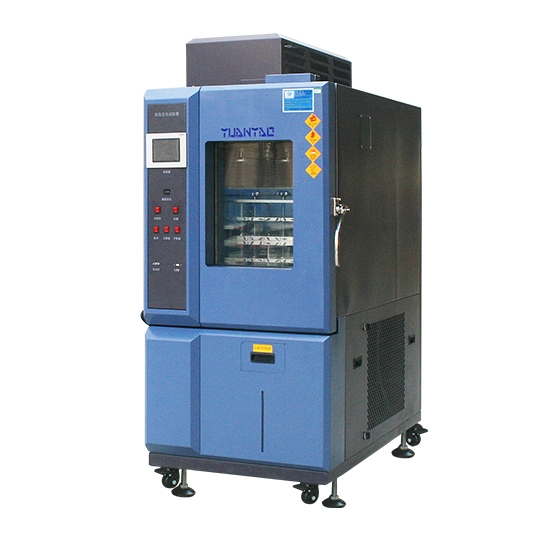
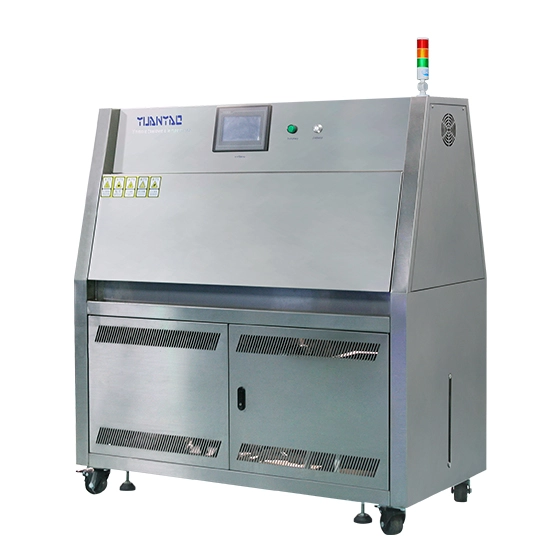
The chamber must maintain precise control of temperature and humidity throughout the soak period and accommodate the physical size and cable routing of charging gun assemblies.
International standards for EV charging connectors—including IEC 62196, SAE J1772, and GB/T 20234—specify environmental conditioning as part of qualification. A charging gun rated for 10,000 mating cycles must demonstrate that rating after exposure to temperature and humidity extremes.
For manufacturers and test laboratories, this means:
Chamber capacity: Large enough to accommodate multiple connector assemblies and cable coils without compromising temperature uniformity.
Temperature uniformity: A charging gun near the chamber door must experience the same temperature as one in the center. Non-uniformity introduces test variability.
Humidity stability: When high humidity is required, the chamber must maintain it without condensation dripping onto samples.
Traceability: Temperature and humidity data must be logged continuously to demonstrate that preconditioning was performed as specified.
Preconditioning is part of a sequence that includes initial inspection, environmental soak, mechanical testing (insertion/withdrawal force, latch durability, cycle life), electrical testing (contact resistance, insulation resistance, dielectric withstand), and post-test inspection. A chamber that delivers stable, uniform, and documented conditions ensures that mechanical and electrical tests are performed on samples that truly represent the target environmental state.
Several factors are increasing the importance of accurate preconditioning:
Higher power levels: Fast-charging connectors carry higher currents and generate more heat, making temperature stability during testing more critical.
Wider deployment: EV infrastructure is expanding into extreme climates, requiring connectors to be qualified across broader temperature ranges.
Longer service life expectations: Connectors are expected to survive more cycles and more years, demanding more rigorous testing.
Regulatory scrutiny: Safety standards are becoming more stringent, with greater emphasis on documented test conditions.
Environmental preconditioning bridges the gap between laboratory testing and real-world performance for EV charging connectors. It ensures that mechanical and electrical testing reflects the conditions the connector will actually face. A chamber capable of delivering precise, uniform, and documented preconditioning is a core element of the qualification infrastructure for electric vehicle charging technology.
As the EV industry grows and charging infrastructure expands into more demanding environments, accurate and repeatable preconditioning will remain a cornerstone of product reliability and safety.

 English