+86-13532971605


When qualifying electronic components for long-term reliability, two accelerated moisture tests dominate the landscape: Temperature Humidity Bias (THB) testing and Pressure Cooker Test (PCT). They are often mentioned together, yet they serve distinct purposes and rely on fundamentally different physical principles. Understanding the difference is essential for specifying the right equipment and interpreting the results correctly.
THB testing, often conducted according to standards such as IEC 60068-2-78 or JESD22-A101, subjects components to a controlled environment of elevated temperature and high relative humidity while an electrical bias is applied. Typical conditions range from 40°C to 85°C and 85% to 93% relative humidity, with test durations measured in hundreds or thousands of hours.
The physical mechanism is one of gradual moisture diffusion. Water vapor permeates the package over time, and the applied bias drives electrochemical processes such as ionic migration, corrosion of metallization, and insulation degradation. THB is not designed to be brutal. It is designed to be representative of real-world humidity exposure over years of service, compressed into a test that can be completed within a reasonable timeframe.
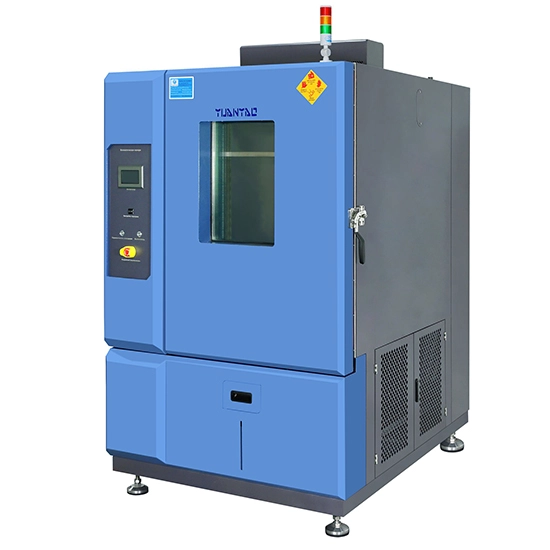
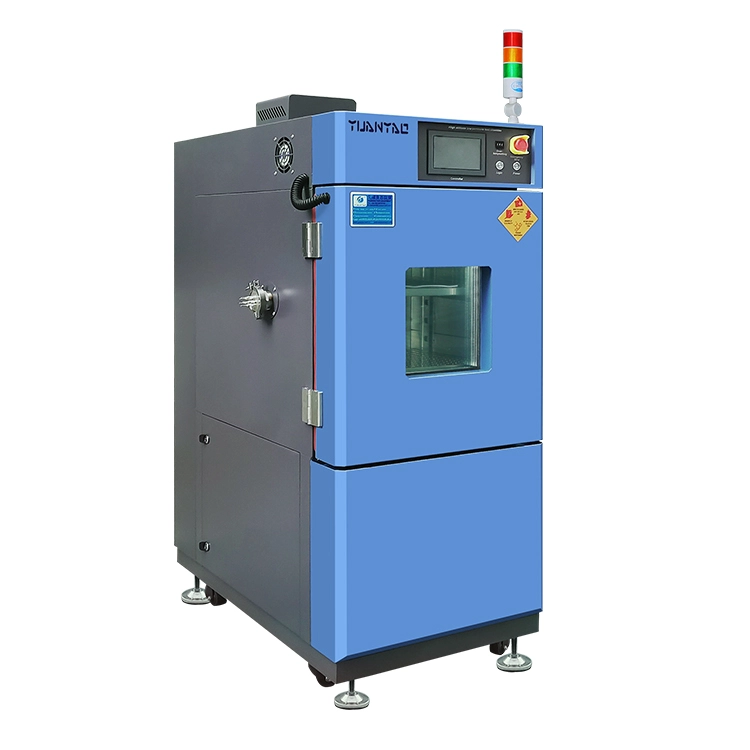
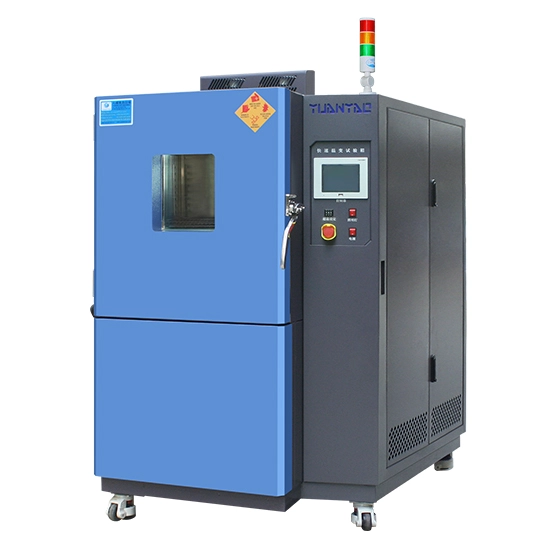
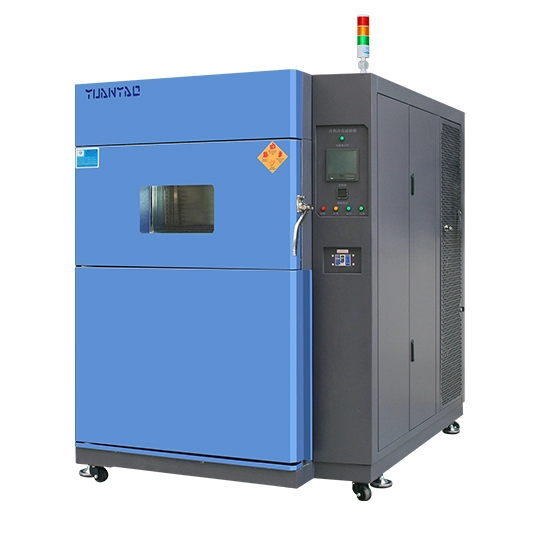
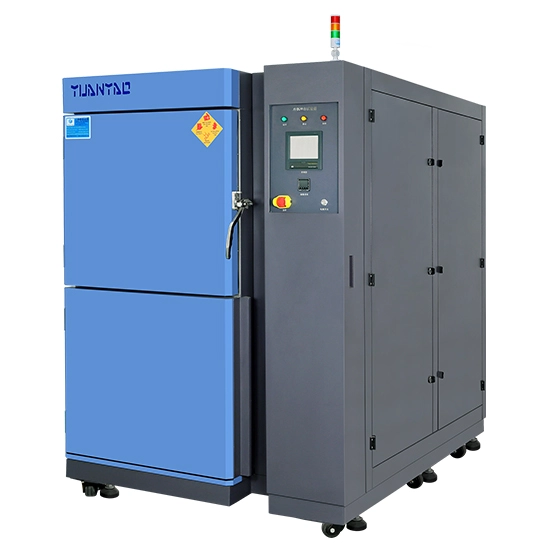
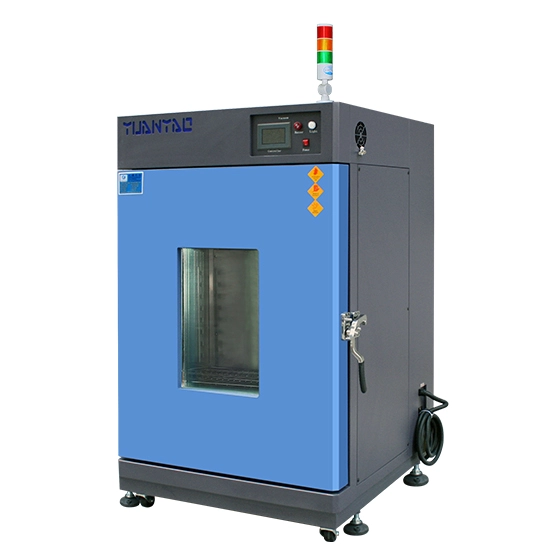
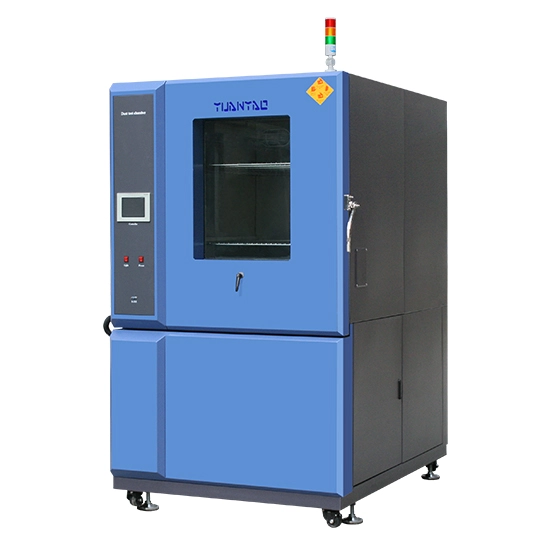
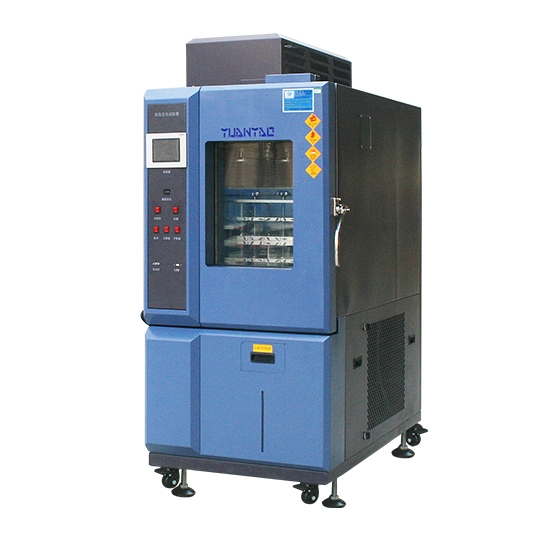
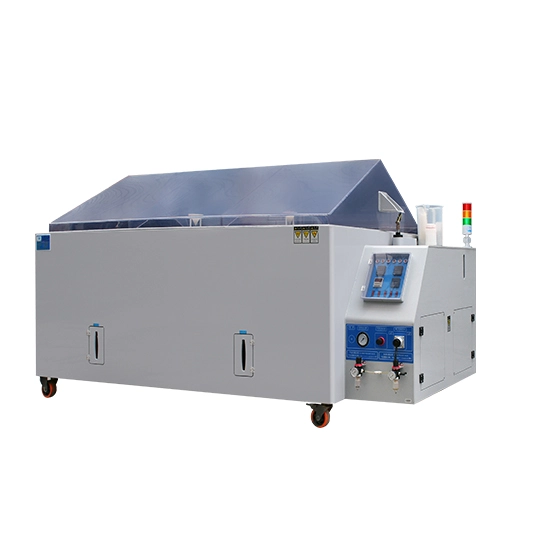
The equipment required for THB is a temperature and humidity chamber with precise control over both parameters, plus electrical feedthroughs that allow the device under test to be biased while inside the chamber. Temperature uniformity and humidity stability are critical. A drift of a few percent RH or a temperature gradient across the chamber will alter the moisture absorption kinetics and produce results that cannot be compared across lots or suppliers.
PCT, defined in standards such as JESD22-A102, takes a different approach. Instead of relying on diffusion at ambient pressure, PCT uses saturated steam at elevated temperature and pressure, typically 105°C to 132°C, 100% relative humidity, and pressures of one to three atmospheres.
The increased pressure dramatically accelerates moisture ingress. What would take hundreds of hours in a THB chamber can be achieved in tens of hours in a PCT chamber. The failure mechanisms are similar, including delamination, corrosion, and popcorning, but the driving force is different. PCT is a stress screening and package integrity test. It answers the question of whether a package can survive aggressive moisture exposure, not whether it will survive a decade of field humidity.
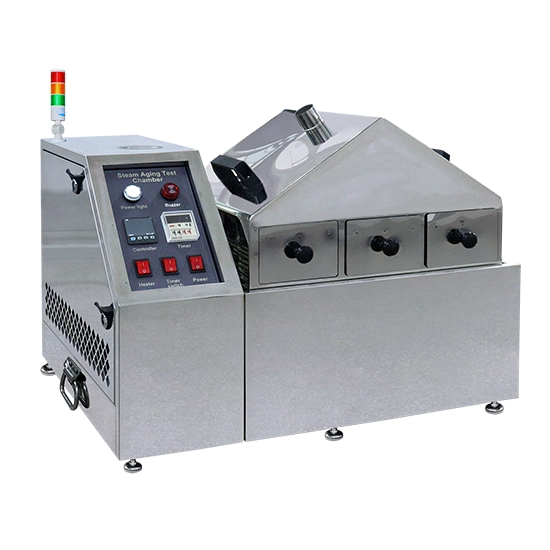
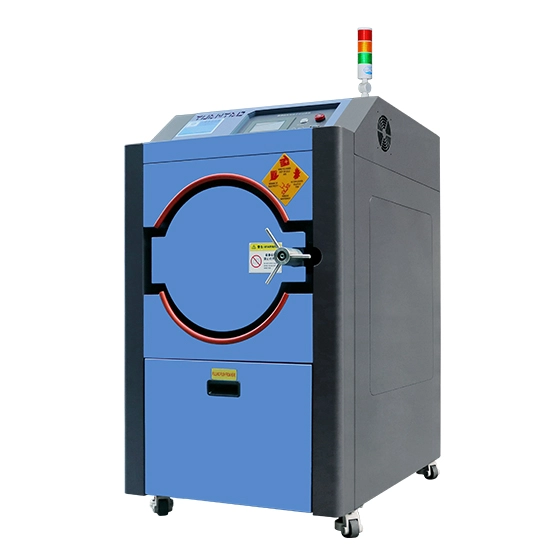
The equipment for PCT is a pressure vessel, not a conventional humidity chamber. It must be constructed from corrosion-resistant materials, typically stainless steel, and designed to withstand repeated pressurization cycles. Temperature control must be precise, as the saturated steam environment is unforgiving of gradients. Safety systems are paramount, including over-pressure protection, over-temperature protection, and door interlocks. Data logging of temperature, pressure, and time is essential for traceability.
The distinction between THB and PCT has practical implications for test specification and equipment selection.
THB chambers are typically larger, allowing multiple devices or boards to be tested simultaneously under bias. They are designed for long-duration runs and require stable humidity control over extended periods. The electrical feedthroughs must accommodate the bias wiring without compromising the chamber's environmental integrity.
PCT chambers are smaller and more specialized. They are designed for rapid cycling and high throughput of small samples. The focus is on pressure integrity and steam quality rather than humidity control across a broad range. Biasing during PCT is possible but less common, as the test is often performed without electrical stress to isolate packaging-related failure modes.
THB is the appropriate choice when the goal is to evaluate a component's long-term reliability under realistic humidity and bias conditions. It is widely used for automotive, industrial, and consumer electronics qualification where field life is measured in years.
PCT is the appropriate choice when the goal is to assess package integrity, molding compound quality, or moisture sensitivity level. It is a faster screening tool, often used during package development or incoming material qualification.
THB and PCT are complementary, not interchangeable. THB simulates the slow, bias-driven moisture exposure of real service life. PCT accelerates moisture penetration through pressure to expose package weaknesses quickly. Specifying the right chamber means understanding which question you are trying to answer. The equipment follows from the test intent.

 English