+86-13532971605

Corrosion can gradually change the appearance and performance of a material, coating or finished component. Moisture, atmospheric oxygen and corrosive solutions are among the exposures that may contribute to this process. A familiar example is rust forming on a metal surface, but corrosion testing is also used to compare protective coatings and assess the condition of other manufactured parts after a defined exposure.
Corrosion test chambers create controlled conditions so manufacturers can examine how specimens respond to a specified test method. The method should be selected according to the material, the expected service environment and the applicable test specification. Results from one exposure method should be interpreted within that method; different corrosion tests do not necessarily produce the same type or rate of material change.
Yuanyao currently lists a Salt Spray Test Chamber on this page for salt fog testing of materials, protective layers and components. If your project calls for alternating salt spray, humidity and dry stages, share the required cycle with our team so the equipment configuration can be checked against your specification.
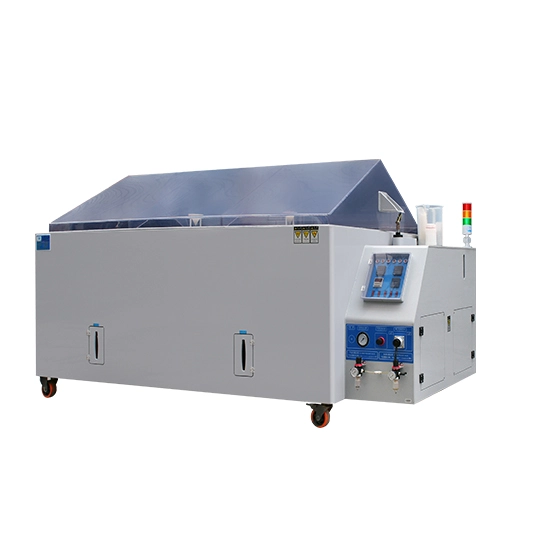

Salt spray testing exposes specimens to a controlled salt fog environment. Manufacturers use it to evaluate corrosion resistance and compare the performance of materials or protective coatings under the conditions defined by a test procedure.
Cyclic corrosion testing follows a specified sequence of exposures rather than continuous salt fog alone. Depending on the test method, a cycle may include salt spray, humid conditions and drying stages. The required sequence, duration and environmental settings determine the equipment capabilities needed.
These methods serve different evaluation needs. Before choosing a chamber, confirm the test specification, specimen dimensions, coating or material type, and whether the program requires continuous fog exposure or multiple environmental stages. For a fuller explanation, read Salt Fog vs Cyclic Corrosion Test Chambers.
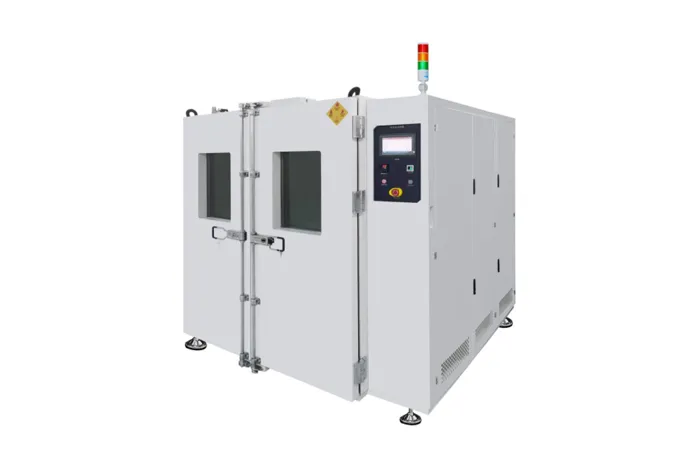
Actually, we don't suggest customers do 3 tests in the same chamber. After doing the CASS, if you do NSS test, the test result will be influenced. So we suggest customers buy 2 chambers: one chamber for NSS and ASS and another chamber for ACSS.
The quantity of spray tower depends on the volume of chamber. For small chamber, 1 tower is enough. But for big chamber, we will install a few towers to ensure the uniformity of spray.
For standard salt spray chamber, temperature can be displayed and controller, but humidity is not available. If the customer needs control humidity, pls choose our combined salt spray chamber.
 English