+86-13532971605

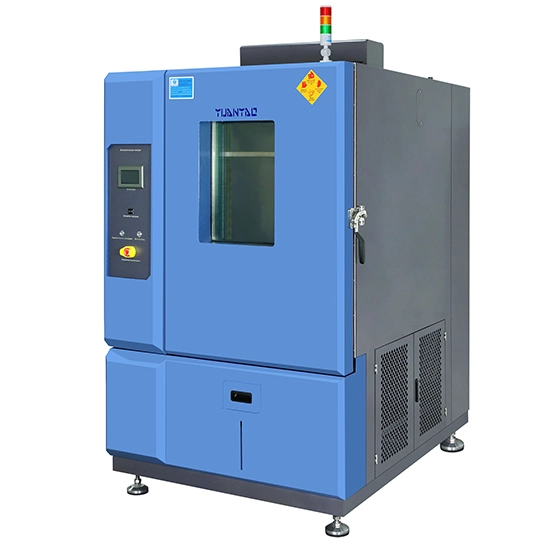
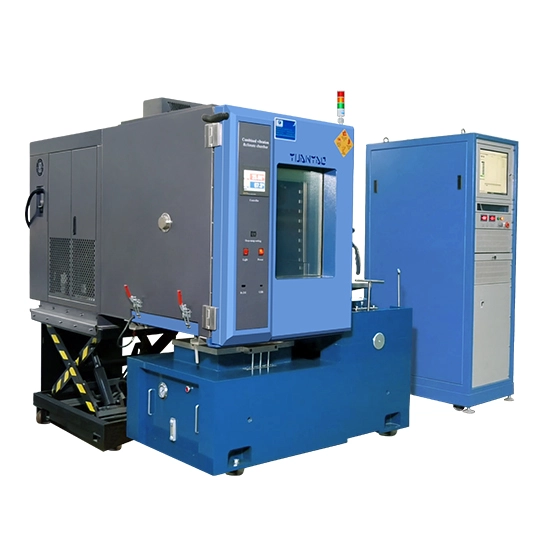
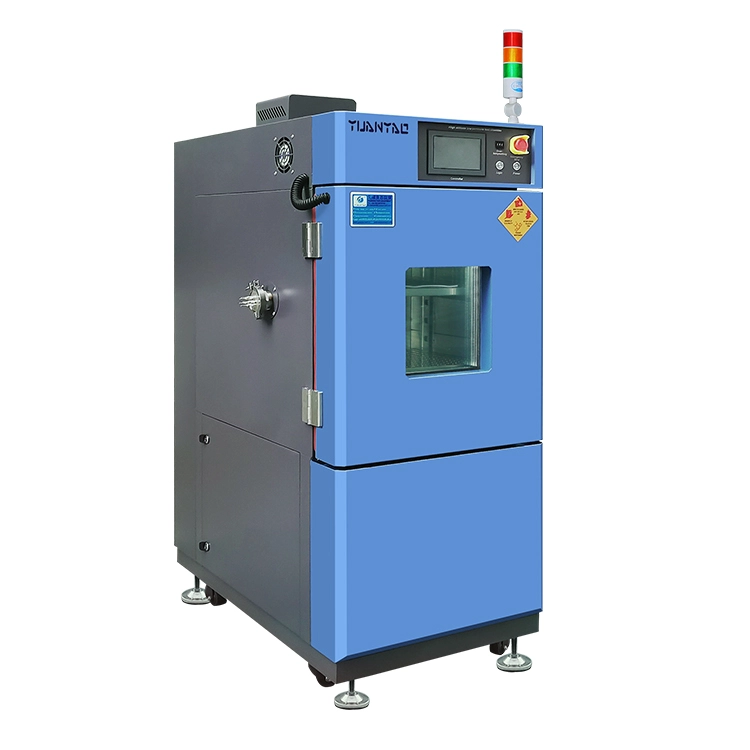
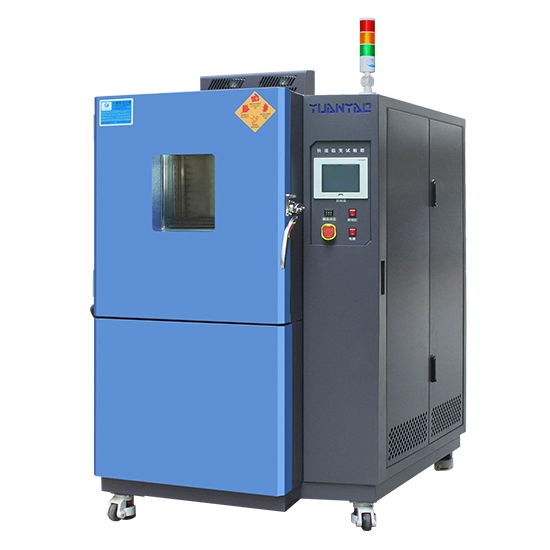
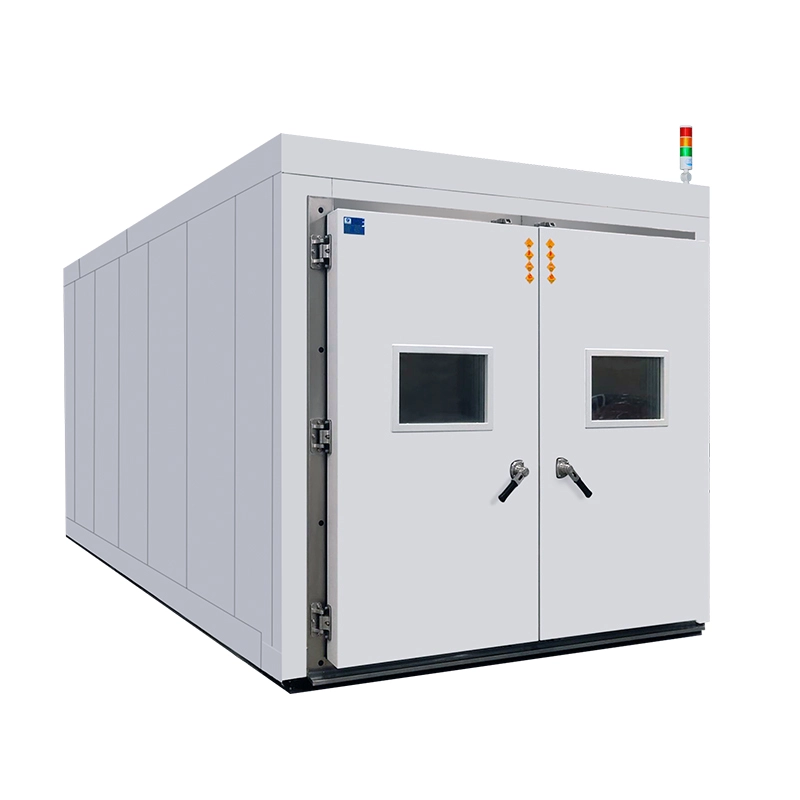
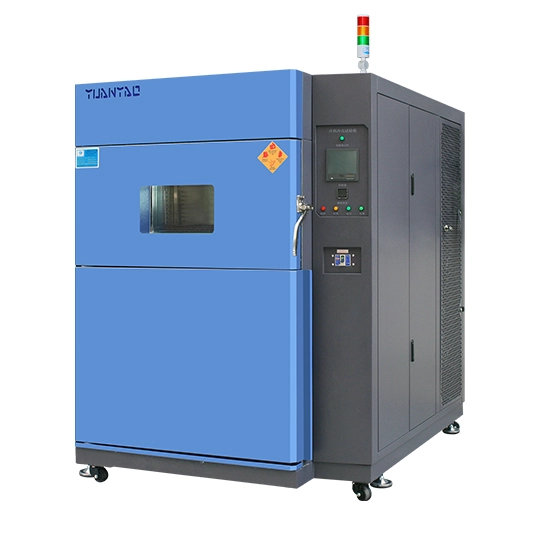
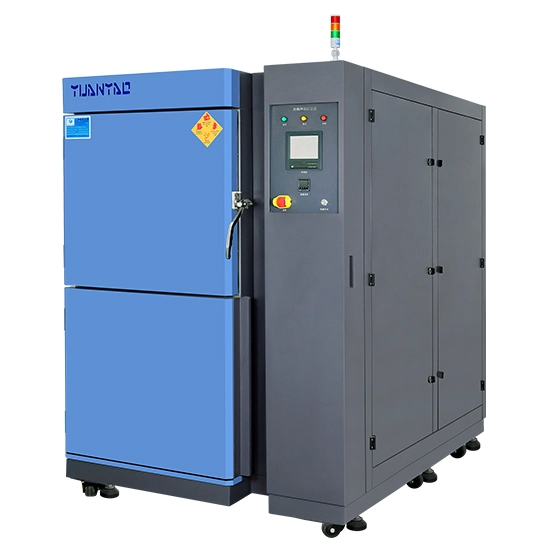
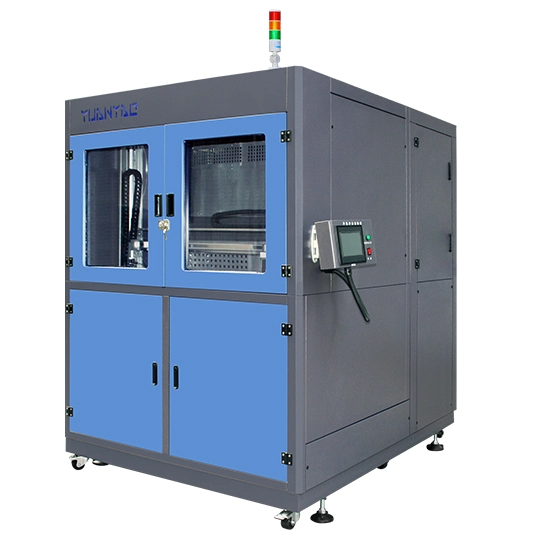
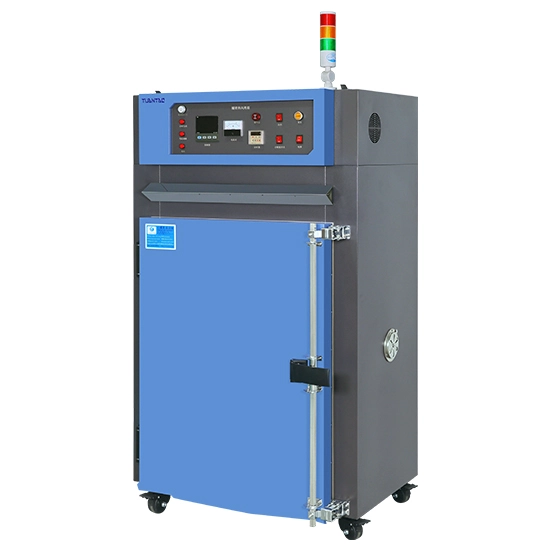
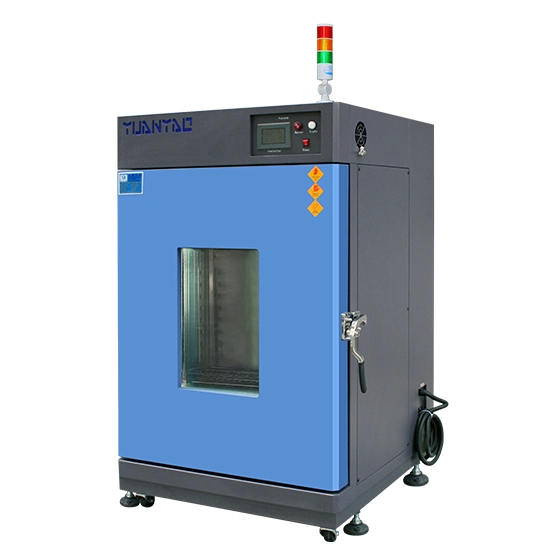
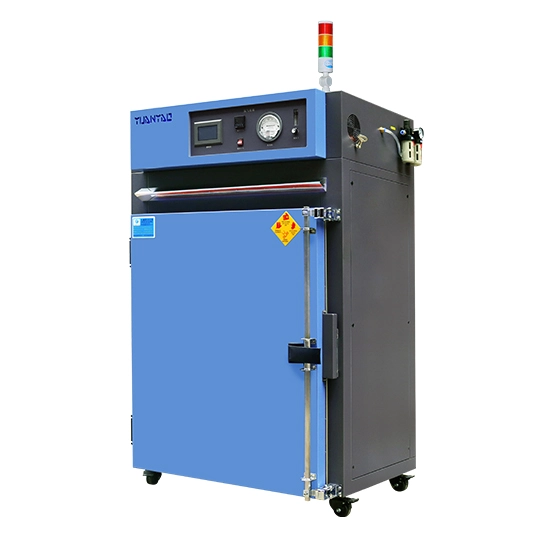
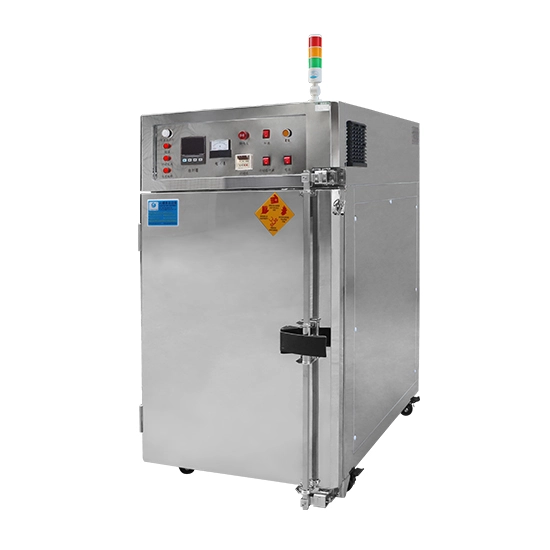
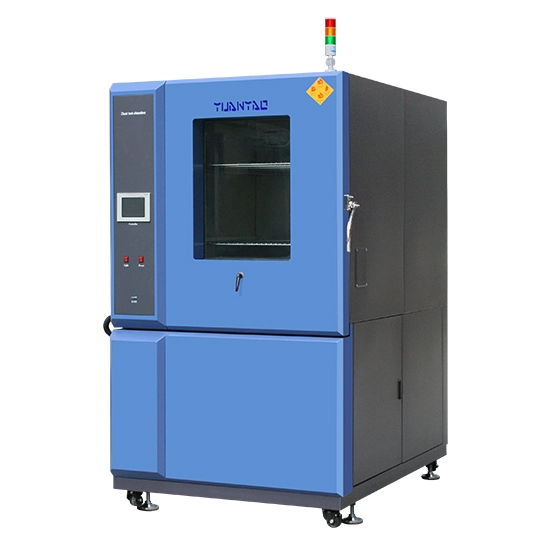
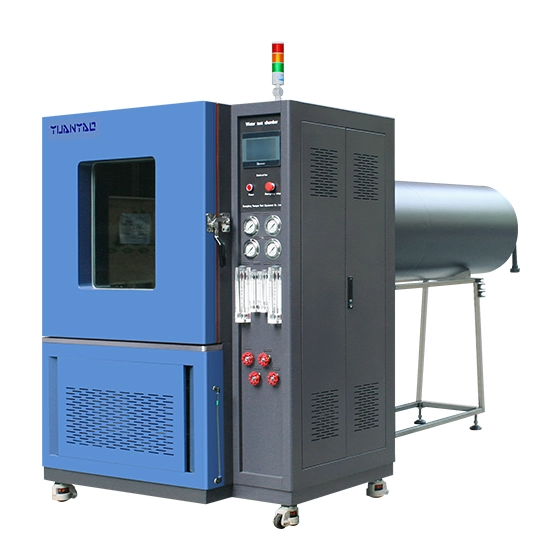
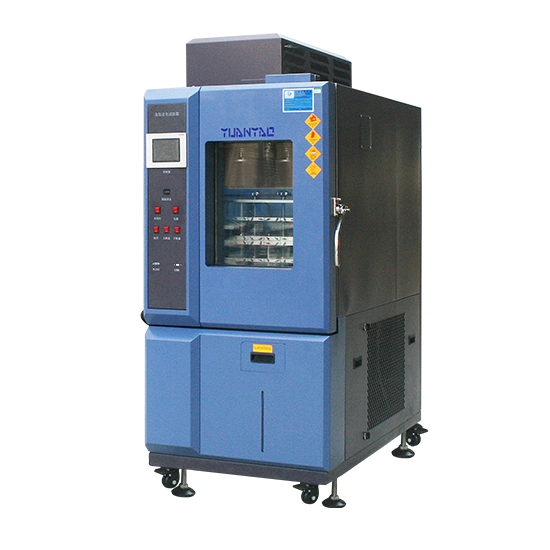
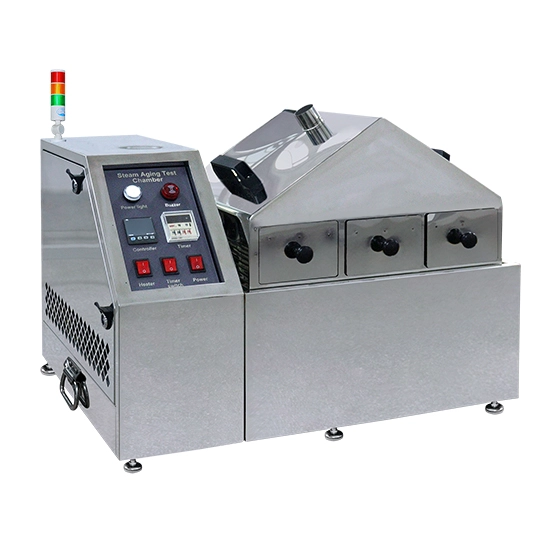
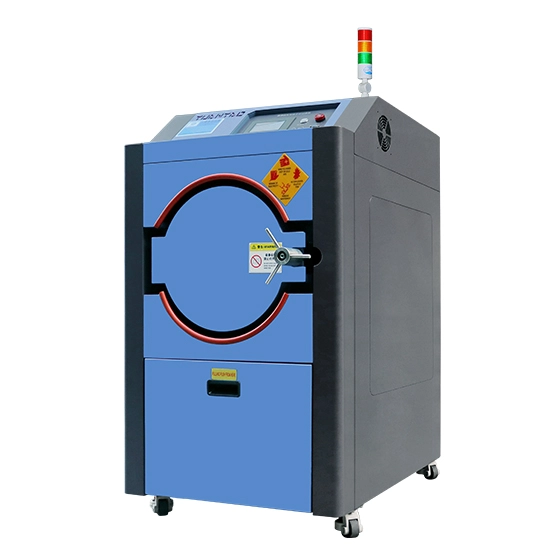
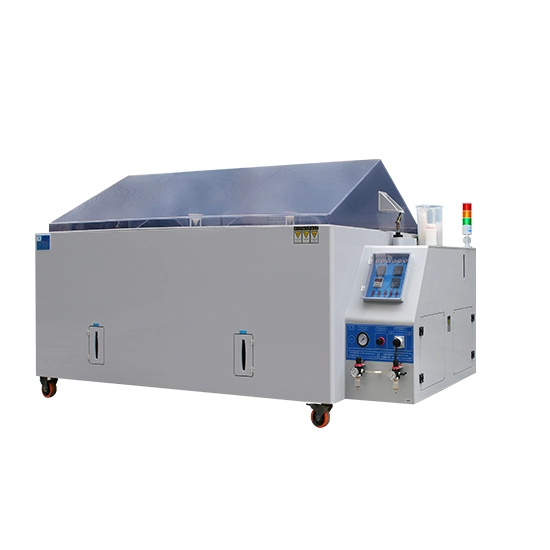
The accelerated aging chamber is a commonly used testing method in the chip industry. It is used to simulate extreme environments and high-temperature, high-humidity working conditions that chips may encounter during actual use, to test the reliability and lifespan of chips. The principle of the test is to place the chip in a high-temperature, high-humidity environment and conduct accelerated aging tests over a certain period to simulate potential issues that may arise after long-term use. This testing method allows for the verification of the chip's reliability and lifespan in a short period, thereby improving the product's quality and reliability.
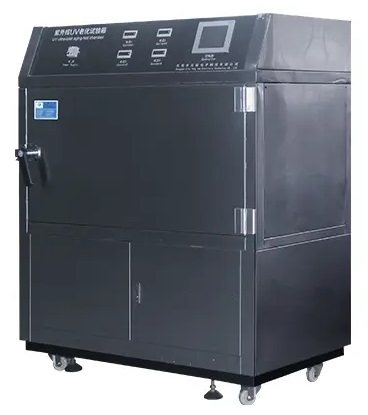
Accelerated Aging: By providing a high-temperature, high-humidity, and high-pressure environment, it accelerates the product aging process to simulate long-term aging conditions in actual use.
Verify Product Reliability: It tests whether the product can operate normally under high-temperature, high-humidity, and high-pressure conditions without failure or performance degradation. This helps product designers understand product performance under harsh conditions using a temperature and humidity chamber and optimize product design.
Screen Out Defective Products: If products fail or show performance degradation in the accelerated aging chamber, they are considered defective products. This helps eliminate defective products during production, improving product quality.
Reduce Product Development Cycle: Since the test chamber can accelerate the environmental test chamber aging process, the verification of product reliability and lifespan can be completed more quickly, helping to shorten the product development cycle and reduce development costs.
Safer Standard Design: The inner tank uses an arc design to prevent condensation and dripping, meeting safety container specifications;
Multiple Protection Functions: Various protections against overpressure, overtemperature, dry burning leakage, and misuse;
Higher Stability: Built-in control algorithm ensures the accuracy of temperature, humidity, and pressure values.
Free Humidity Selection: Saturated and non-saturated settings are freely adjustable;
High Intelligence: Supports computer connection, data export, and storage using USB.
Currently, there are various aging test methods for polymer materials, including climate aging tests, ultraviolet aging tests, ozone aging tests, and alternating high and low-temperature aging tests.
Climate Aging Test:
The climate aging test exposes the polymer material test samples to atmospheric environmental conditions to obtain the aging pattern of the material samples in the atmosphere, analyze the performance of polymer materials, and predict their service life.
Ultraviolet Aging Test:
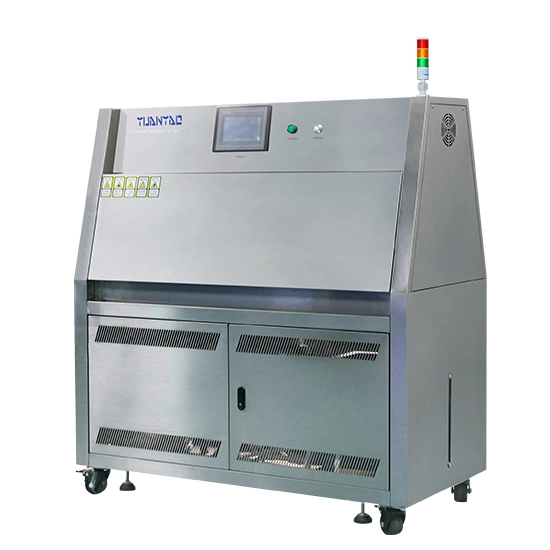
Ultraviolet light in sunlight has energy comparable to the bond energy of polymer chemical bonds and can cause the breakage of polymer compound chains. This is a major factor causing the degradation of polymer materials. The ultraviolet aging test refers to placing polymer material aging test samples in an ultraviolet light field to obtain the aging behavior and patterns of polymer materials. Polymer materials are often evaluated using a UV aging test chamber to simulate sunlight exposure.
Ozone Aging Test:
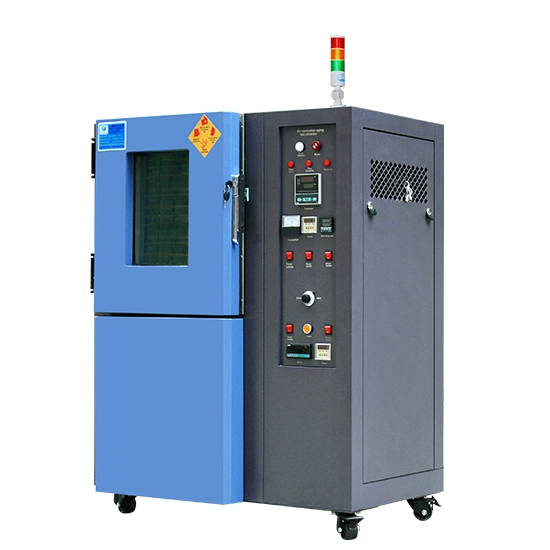
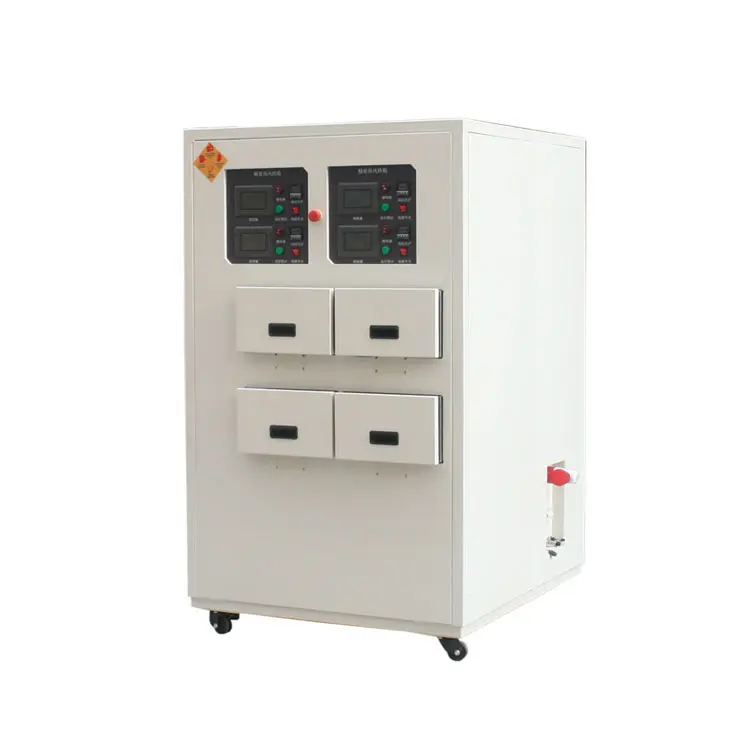
Ozone is an extremely rare gas in the atmosphere, but it is very destructive to polymer materials. Ozone can have irreversible chemical reactions with unsaturated bonds and reducing groups in the chemical structure of polymer materials, leading to oxidation and degradation of polymer materials, thus losing their use value. Ozone aging tests for polymer materials are usually conducted in an ozone aging test chamber. Ozone is provided by an ozone generator, and its concentration can be adjusted by mixing with air through a mixer. The concentration of ozone is generally determined based on the actual environmental conditions in which the material is used. In addition, the test purpose can be achieved by adjusting factors such as temperature and humidity in the ozone aging chamber to obtain the material's resistance to ozone aging and the behavior and patterns of ozone aging.
Alternating High and Low-Temperature Aging Test:
Temperature is another important factor leading to the aging of polymer materials. For polymer adhesives, high temperatures accelerate the movement speed of polymer adhesive chains, while low temperatures create internal stress within the polymer adhesive. Alternation leads to the breakage of polymer adhesive chains as well as degradation and aging. For rubber, high temperatures accelerate the thermal movement of molecular chains, causing rubber to crosslink. Low temperatures cause rubber molecular chains to freeze, making it brittle and less elastic, leading to aging.
These tests are commonly conducted in a high and low temperature test chamber to simulate thermal stress conditions.
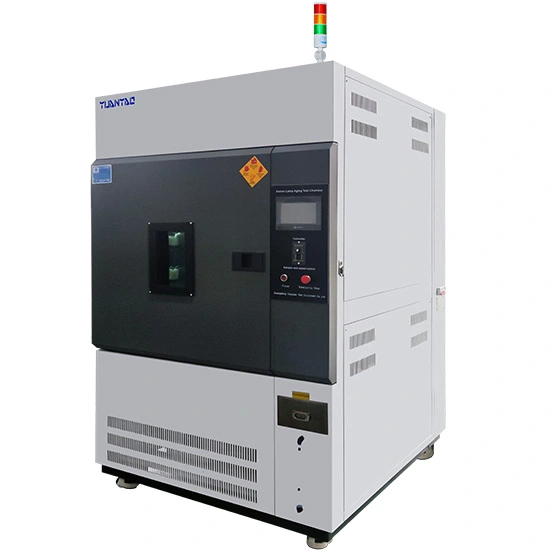
The accelerated aging chamber increases stress factors such as temperature, humidity, or ultraviolet light, similar to conditions created by a humidity test chamber. This allows the observation of long-term aging effects in a shorter period.
Natural aging occurs over a long period under normal environmental conditions. Accelerated aging quickly simulates the same aging process by intensifying environmental conditions.
Common tested products include medical devices, plastics, electronic components, and packaging materials. These tests help ensure the safety and durability of products.

 English