+86-13532971605

Ozone—under normal temperature and pressure, it is a pale blue gas with a fishy smell, and it has extremely strong oxidizing ability and sterilizing performance.
Ozone has a strong oxidizing property, and except for gold and platinum, ozonized air almost has a corrosive effect on all metals. Aluminum, zinc, and lead will be strongly oxidized when in contact with ozone, but chromium-containing iron alloys are basically not corroded by ozone.
Ozone also has a strong corrosive effect on non-metallic materials, so ordinary rubber cannot be used as a sealing material in ozone-generating equipment. Instead, silicone rubber or acid-resistant rubber with strong corrosion resistance must be used.
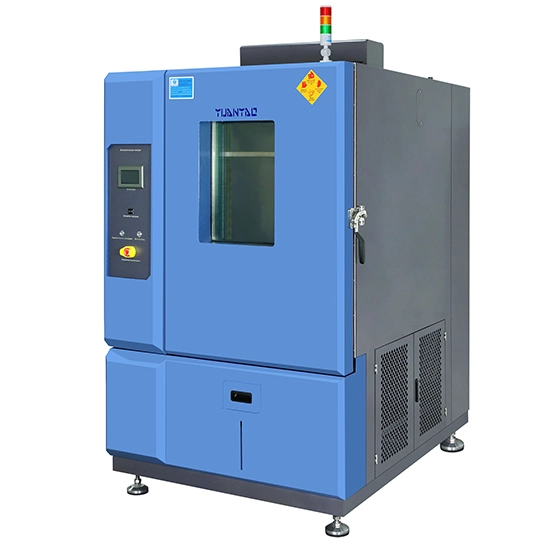
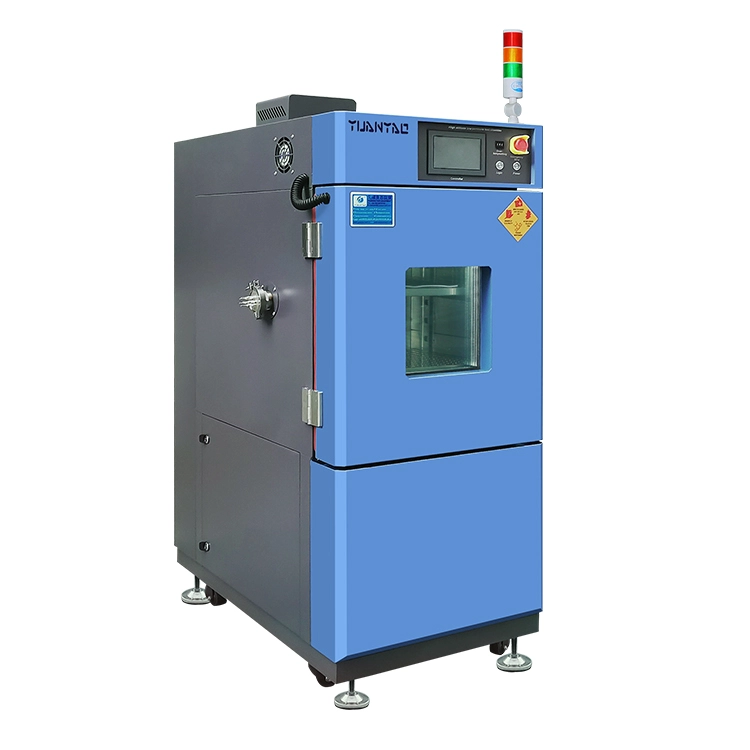
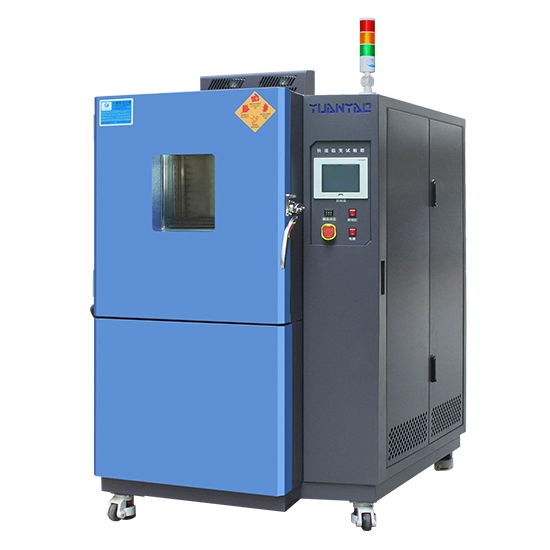
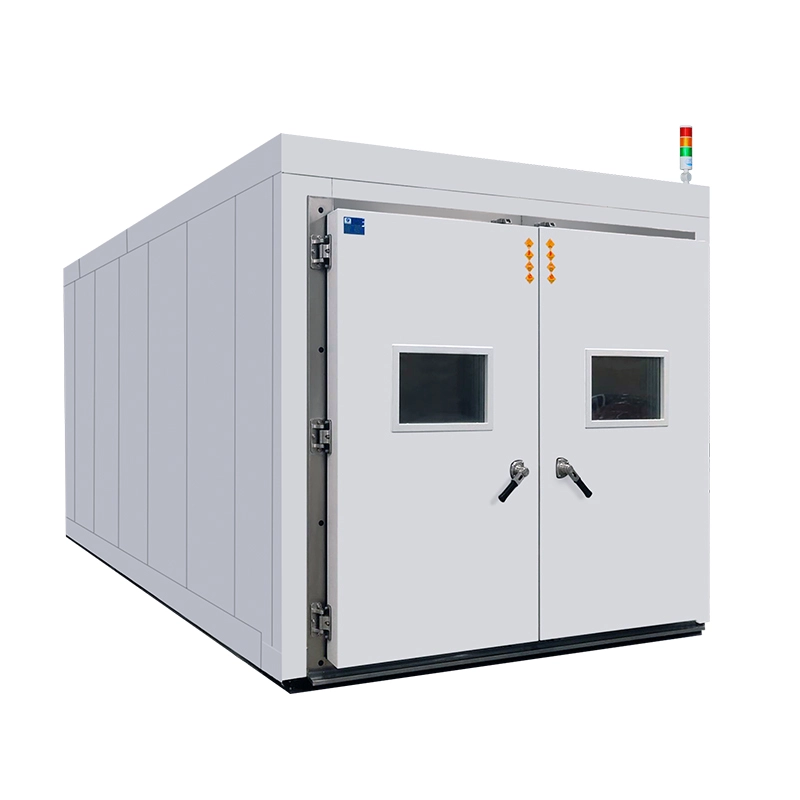
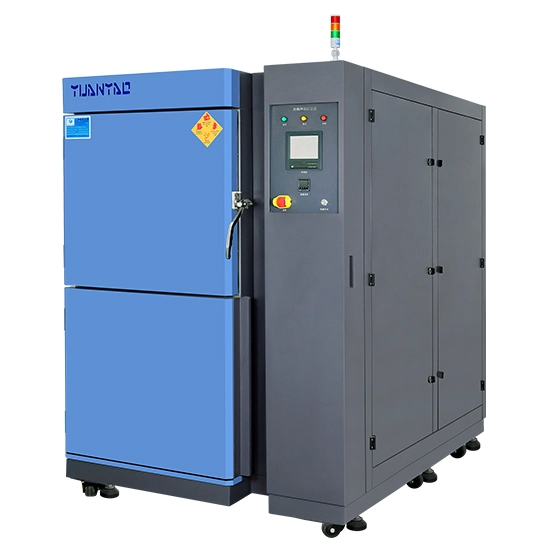
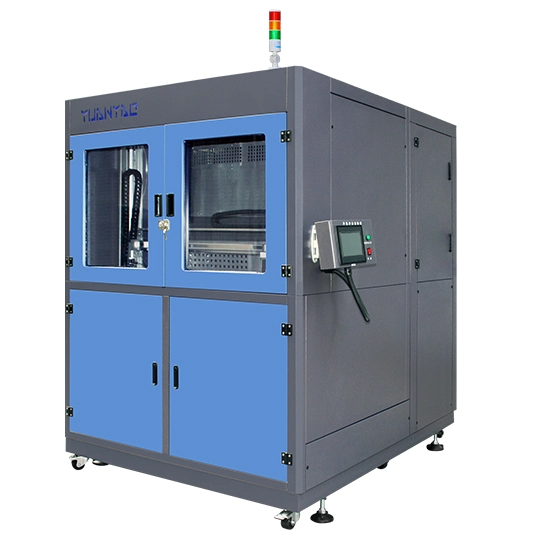
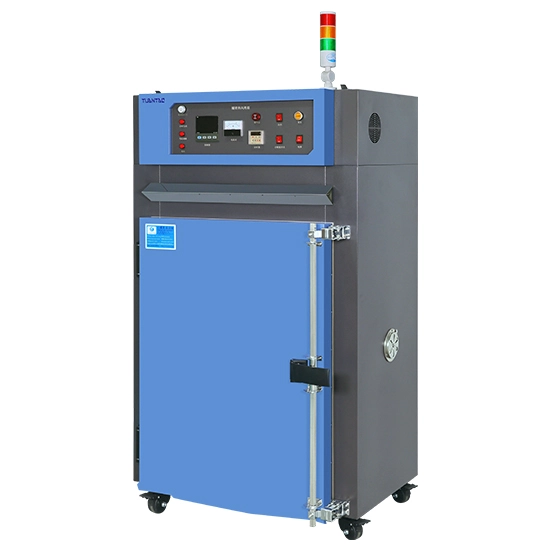
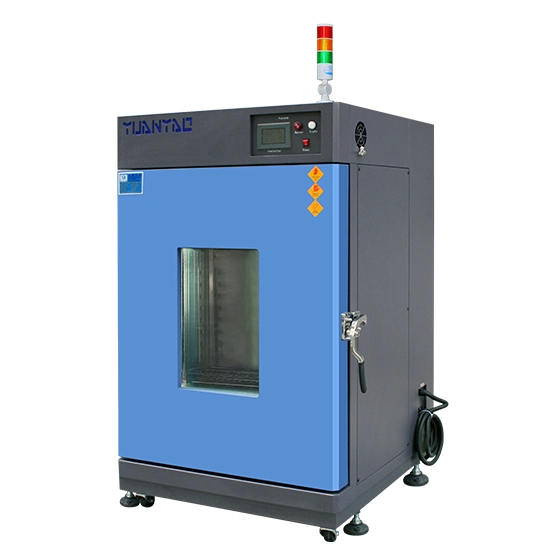
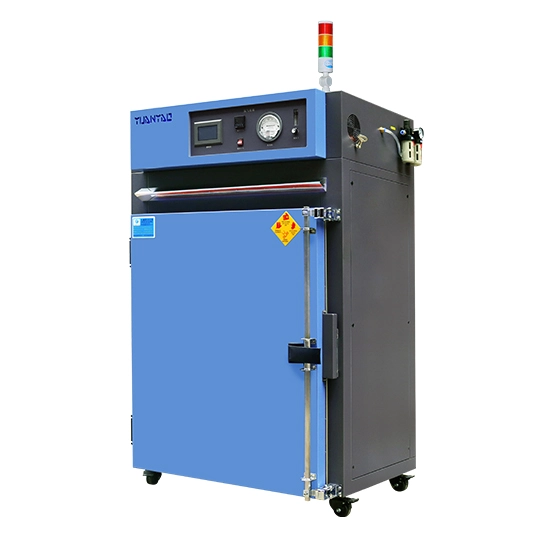
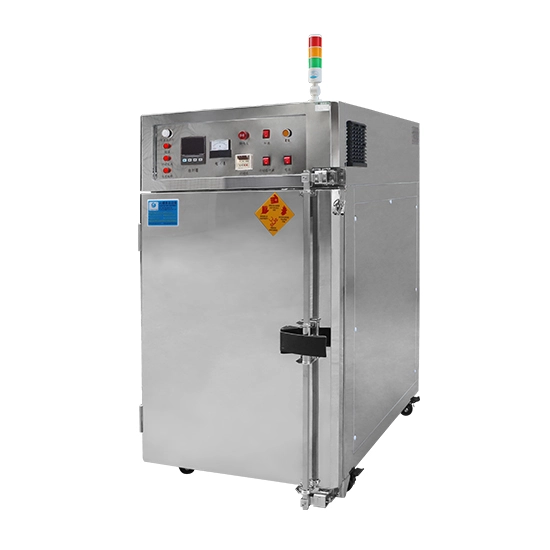
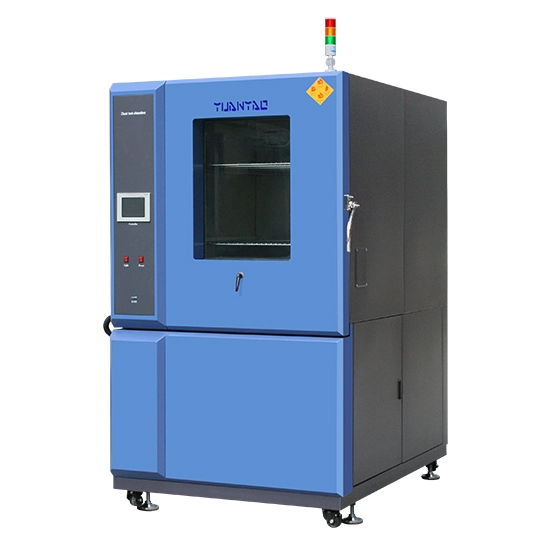
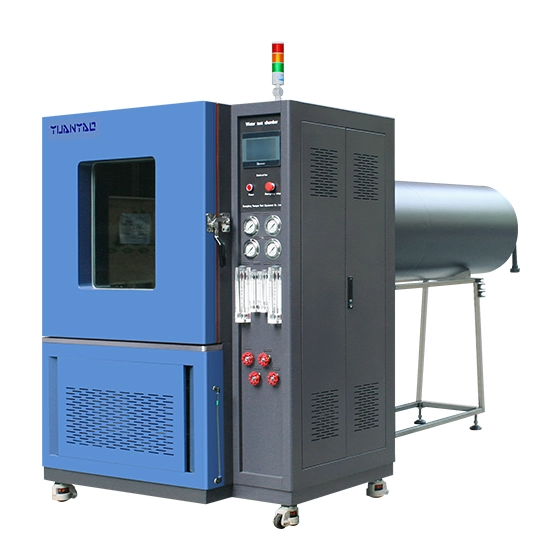
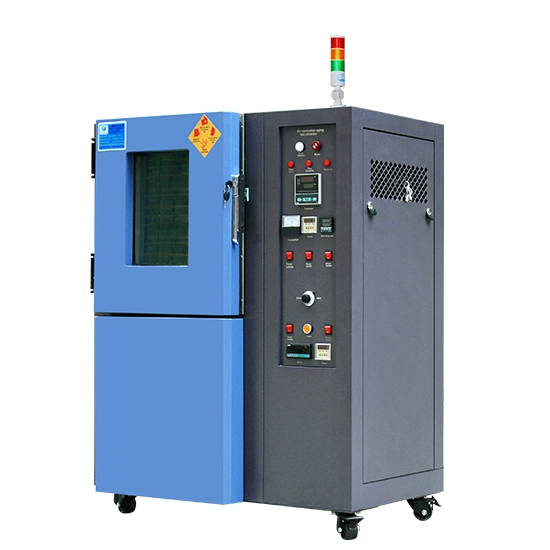
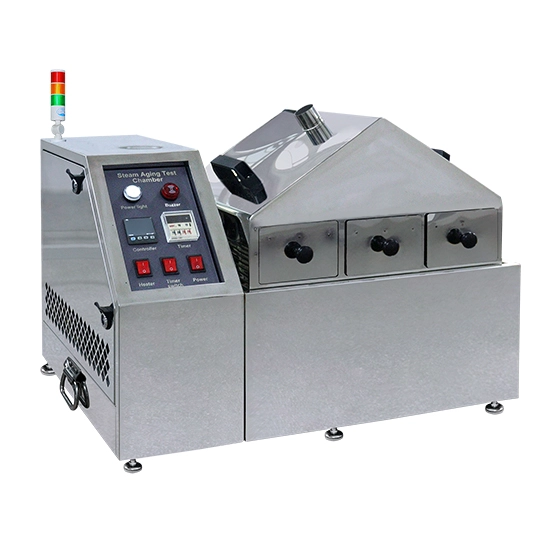
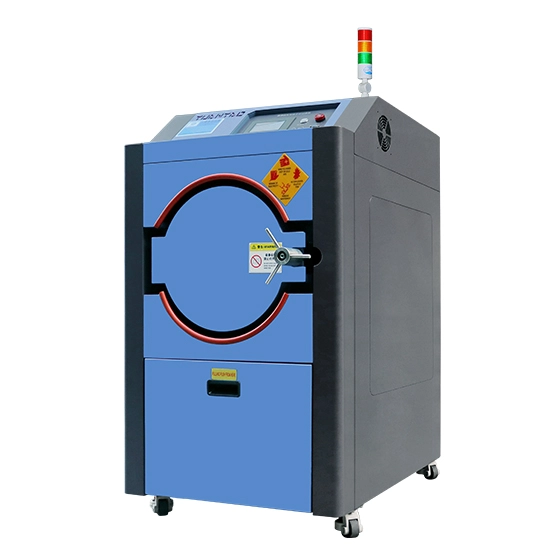
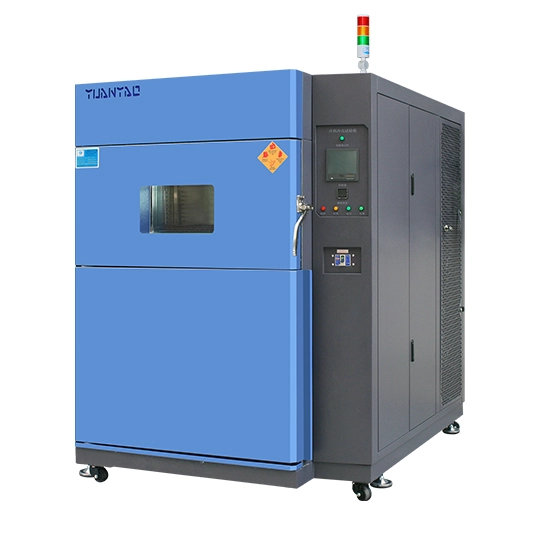
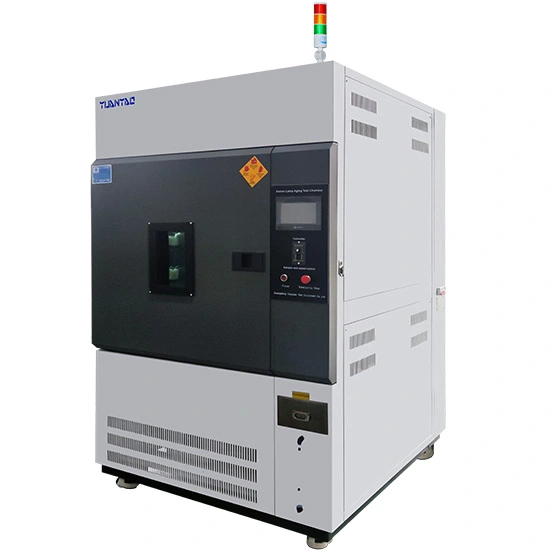
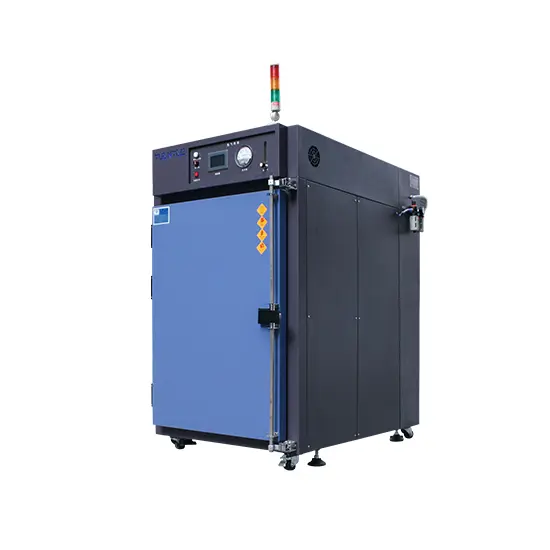
Ozone Test Chamber: The core equipment for testing the ozone aging resistance of rubber and non-metallic materials. It provides a test environment with constant temperature, constant humidity, and controllable ozone concentration, exposing samples under specified conditions.
Ozone Generator: The core component of the ozone aging chamber, responsible for generating ozone on-site to maintain a constant concentration. Common methods include corona discharge, ultraviolet irradiation, and electrolysis, among which corona discharge is the most widely used. It usually consists of an ozone tube, power supply, gas source device, and electronic control system, capable of adjusting the ozone concentration in real-time according to set parameters to ensure the accuracy and repeatability of the ozone aging test.
Ozone Measurement Device: Used for online monitoring and recording of ozone concentration in the laboratory, ensuring a stable test environment.
Common detection methods include:
Ultraviolet absorption method: Determines concentration by measuring ozone's absorption of ultraviolet light;
Electrochemical method: Uses a sensor to quickly respond to changes in ozone concentration;
Chemical colorimetric method (iodometric method, colorimetric method): Determines concentration through color change or decolorization resulting from a chemical reaction.
These measurement methods can provide real-time feedback on concentration changes in the ozone aging test chamber, ensuring reliable test results.
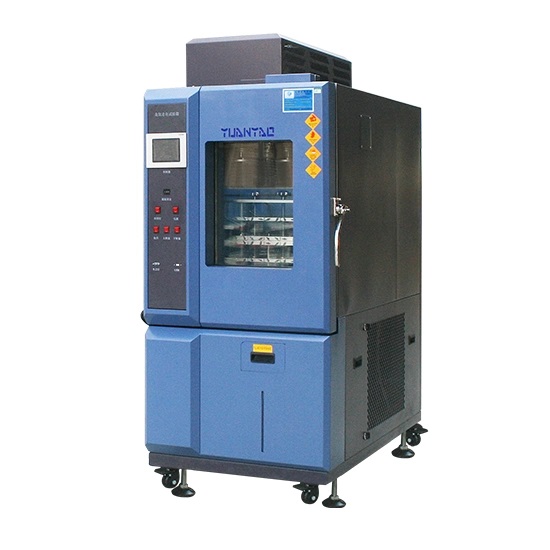
The specimen is exposed in an air environment with a constant ozone concentration and constant temperature chamber, and the cracking condition of the specimen is checked at a predetermined time.
The following three methods can be selected;
After exposure under specified time and specified strain, check for cracks, and if necessary, measure the degree of cracking.
Measure the time at which cracks first appear under any specified tensile strain.
Determine the critical strain for any specified exposure time.
The content of ozone in the atmosphere is very small but is a major factor in rubber cracking.
Different rubber materials have significantly different ozone resistance depending on ozone concentration and temperature.
Ozone aging test simulates and intensifies the ozone conditions in the atmosphere, exposing the specimen in an air environment with a constant ozone concentration and constant temperature test chamber, and checking the cracking condition of the specimen at a predetermined time.
Report the test results as no cracking or cracking. If cracking occurs, determine the degree of cracking, which can be explained by the cracks that appear or by photographing the cracked specimens.
Report the test results as no cracking or cracking. If cracking occurs, determine the degree of cracking, which can be explained by the cracks that appear or by photographing the cracked specimens.
Determine the range of critical strain for the maximum strain that does not cause cracking and the minimum strain that causes cracking after the specified exposure time.
What factors affect ozone aging test results?
Several key factors influence ozone aging test results, including ozone concentration, exposure time, temperature, humidity, and whether the test specimen is under static or dynamic strain. Higher ozone levels and elevated temperatures typically accelerate degradation, while mechanical stress can intensify surface cracking. Accurate control and calibration of these parameters are critical for obtaining reliable and repeatable results.
What standards are used for ozone aging testing?
Ozone aging tests are conducted according to internationally recognized standards to ensure consistency and comparability. Common standards include ASTM D1149, ISO 1431, and JIS K6259. These standards define test conditions such as ozone concentration, temperature, sample preparation, and evaluation criteria, helping manufacturers validate material performance and meet regulatory requirements.

 English