+86-13532971605

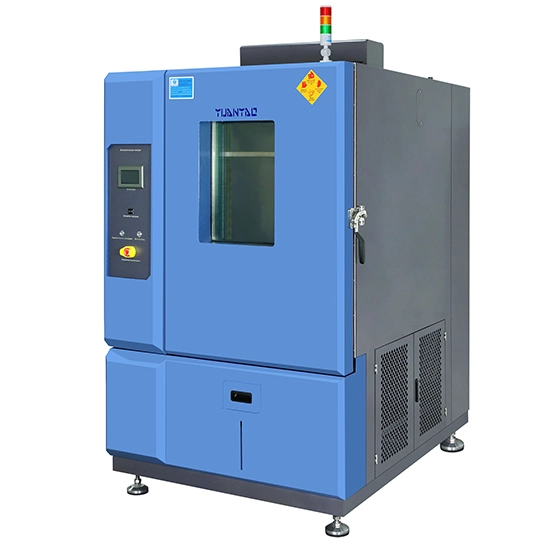
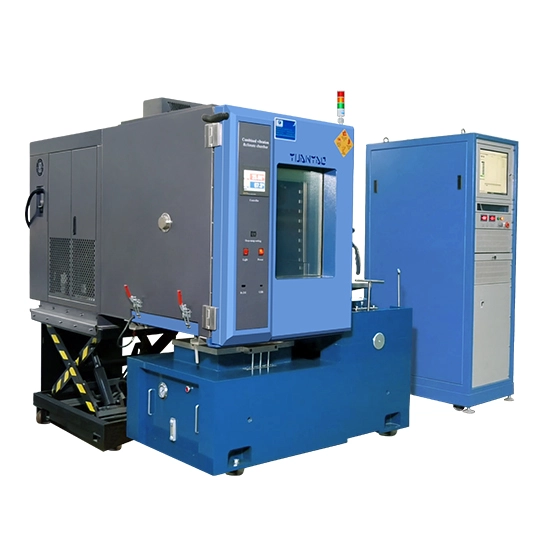
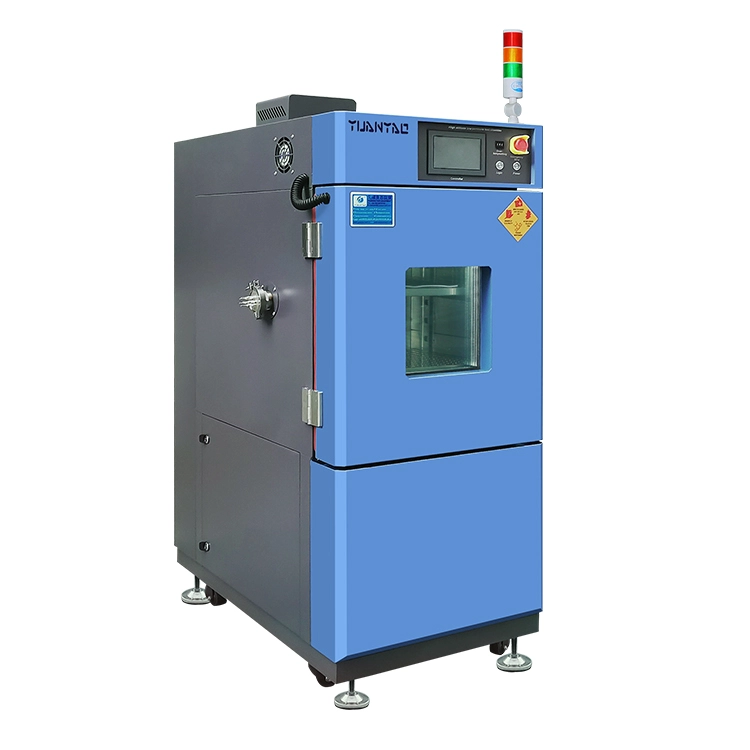
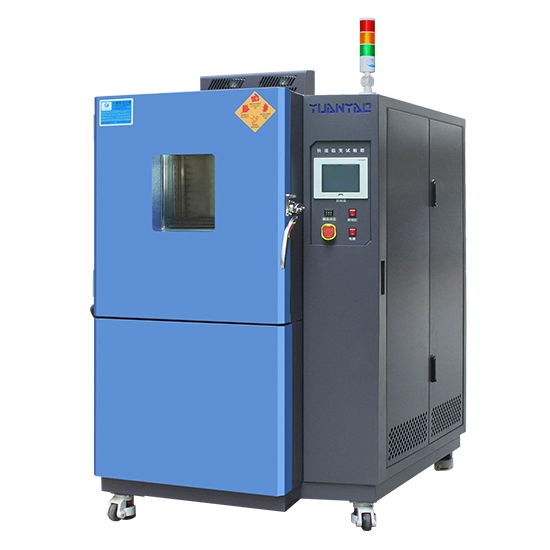
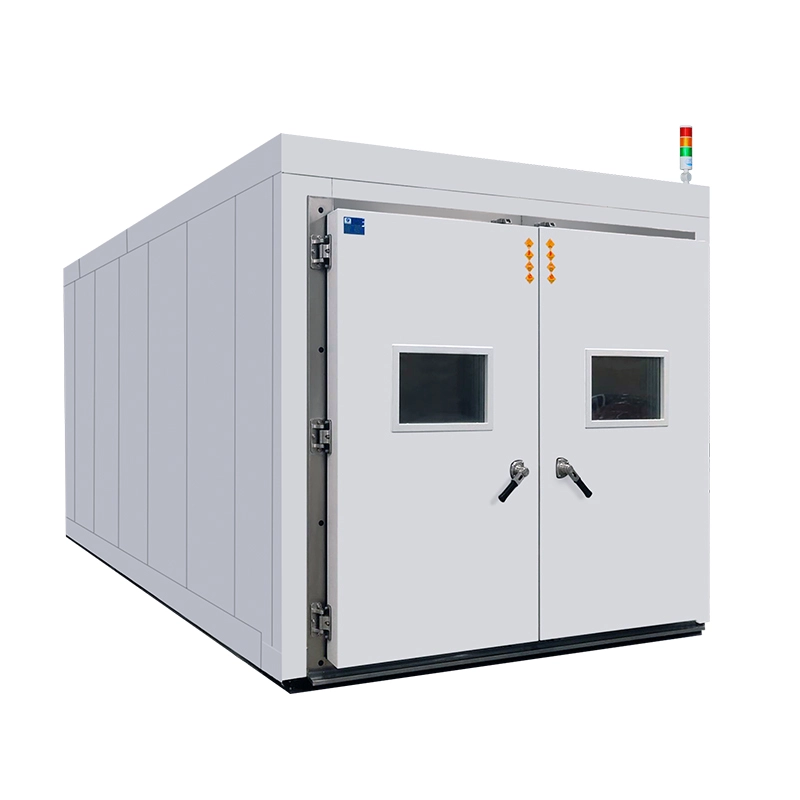
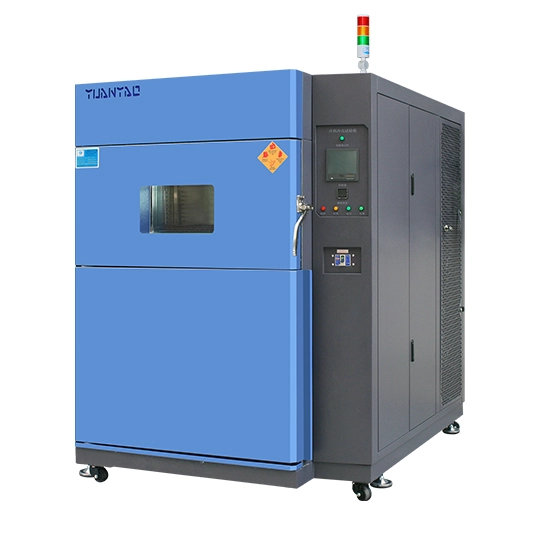
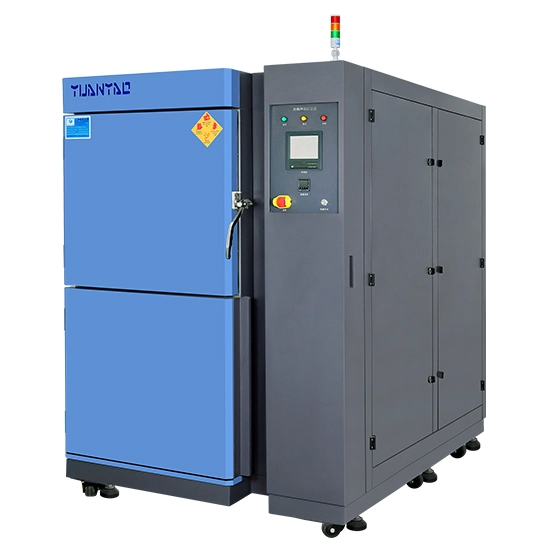
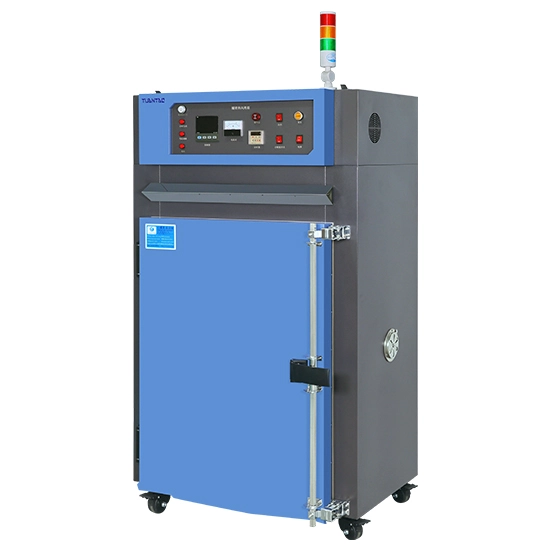
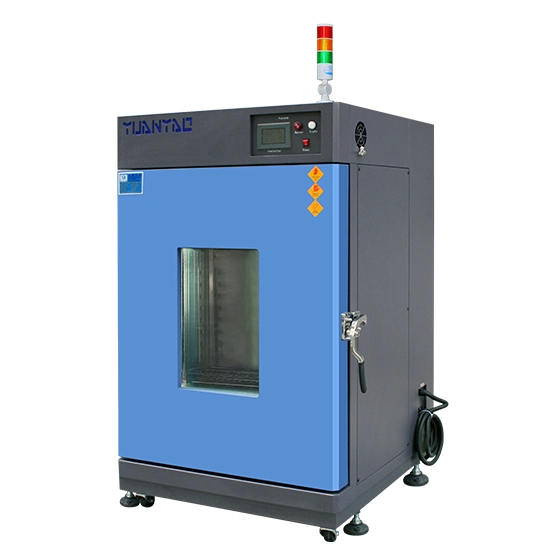
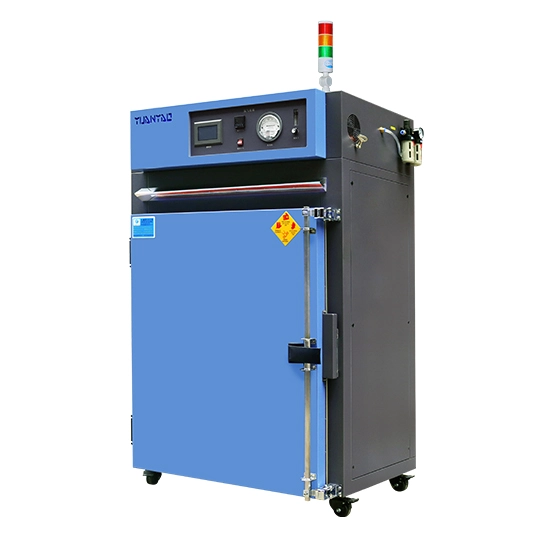
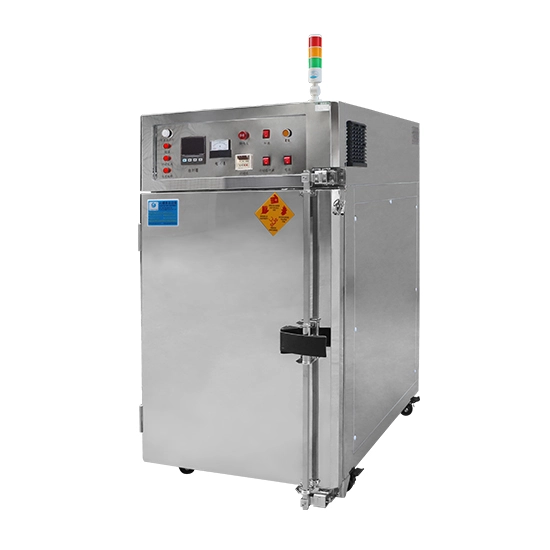
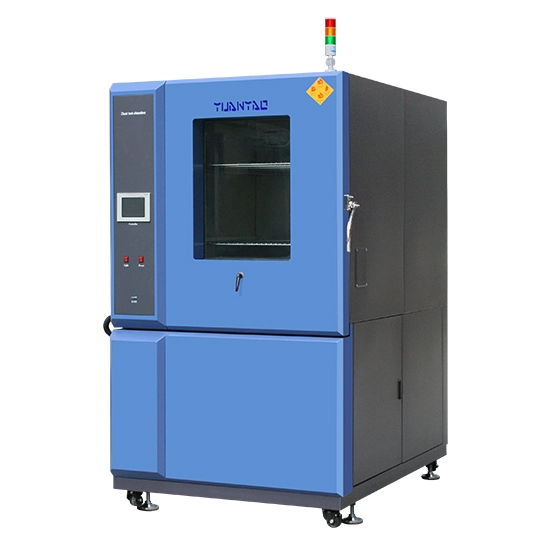
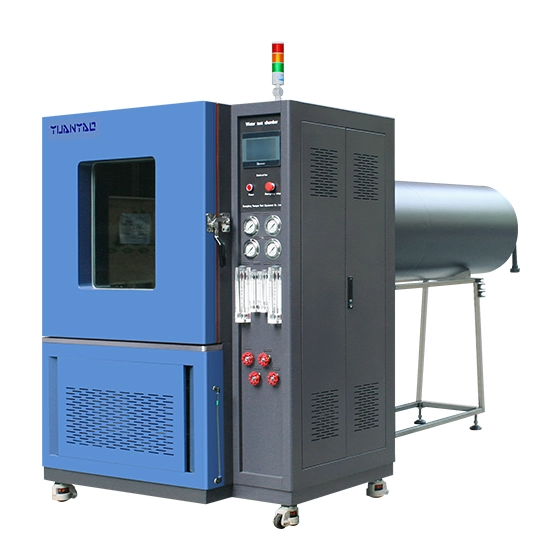
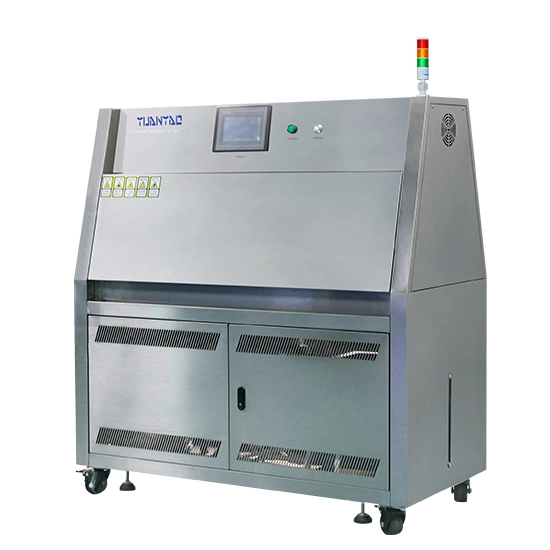
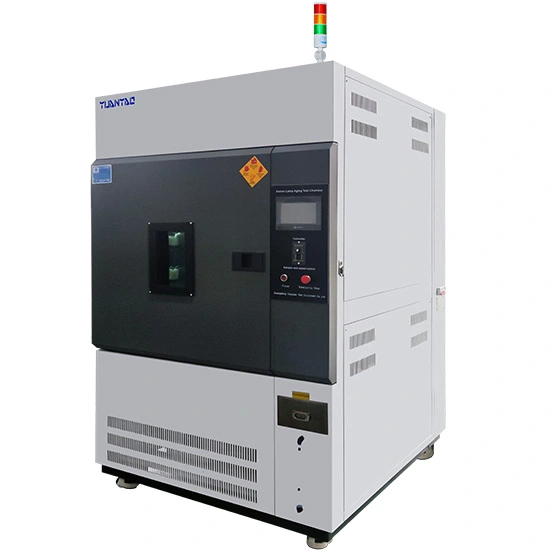
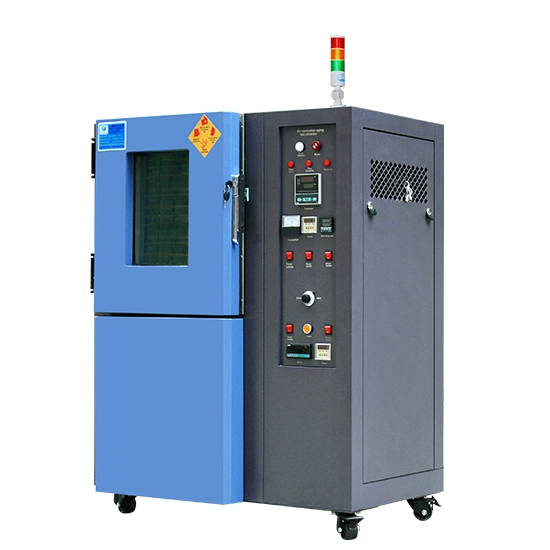
In modern industrial production, the reliability and service life of products are important indicators of quality and safety. Rubber products, plastic parts, textiles, and coatings are often eroded by ozone in the environment during long-term use, leading to cracking, embrittlement, fading, and even performance degradation. The ozone aging test chamber simulates ozone concentration, temperature, and stress conditions in the environment to perform accelerated aging tests on products, allowing R&D and quality control personnel to observe the aging trends and potential failure modes of materials in a real environment in a short time. By analyzing the test results, the reliability of the product under long-term use can be assessed, guiding enterprises in formulating more scientific safety standards during the design phase.
In the ozone aging test chamber, different materials exhibit evident aging characteristics. For instance, rubber products are prone to microcracks and surface cracking under long-term ozone exposure, affecting their sealing and elasticity; plastic parts may experience embrittlement, color changes, or surface chalking, reducing mechanical performance and aesthetics; textiles and coatings may experience fading, strength reduction, and surface structure damage. Through the ozone aging test chamber, these performance changes can be accurately quantified, and the potential failure modes that may occur during long-term use can be analyzed, providing a basis for subsequent modifications and optimizations. Such experimental data are of great reference value in design life and safety standards, helping to enhance the overall durability and safety of products.
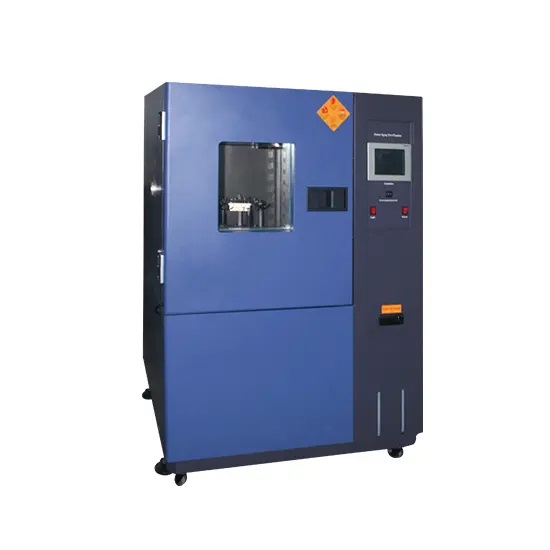
Product life design requires combining material characteristics with the usage environment to develop reliable design parameters based on reasonable aging test data. The ozone aging test chamber can simulate the long-term effects of high-concentration ozone environments, helping R&D teams determine the necessary modification measures or additive proportions needed for materials, thereby improving ozone resistance and overall durability. For example, rubber products can extend their service life through formula adjustments, adding antioxidants or rubber modifiers; plastic products can optimize molecular structure or surface treatment to reduce embrittlement and color changes; textiles and coatings can adopt ozone-resistant fibers or modified resins to maintain structure and aesthetics. Through the scientific analysis of test results, enterprises can develop more reasonable material modification plans and safety standards to ensure product stability and reliability during actual use.
In the production process, the ozone aging test chamber is not only used in the R&D stage but also for quality control and batch testing. By regularly testing the ozone resistance of production batches, companies can promptly identify potential issues and take measures to prevent product failure or complaints in the market due to performance degradation. Additionally, aging test data can serve as a basis for product performance guarantees and technical standards, enabling companies to provide scientific and reliable test evidence in product manuals and certification materials, thereby enhancing brand trust and market competitiveness.
In summary, the ozone aging test chamber plays an irreplaceable role in evaluating material reliability and product life design. By simulating the accelerated effects of environmental ozone on products, R&D personnel can identify potential failure issues in advance and guide material modifications, optimize structural design, and establish safety standards. This not only enhances the durability of the products but also ensures safety and performance stability during use, providing scientific data support for enterprises to maintain a technical advantage in fierce market competition.

 English