+86-13532971605

For electronic adhesives and sealants, the correct curing environment is determined first by cure chemistry, not simply by temperature.
A moisture cure chamber is generally the better choice for one-component RTV silicones and other materials that require atmospheric moisture to complete crosslinking. A nitrogen oven is more suitable when the process requires elevated-temperature curing, solvent or moisture removal, or protection from oxidation.
Using a dry nitrogen atmosphere for a moisture-cure adhesive can actually slow curing because the material may be deprived of the humidity it needs. Conversely, curing oxidation-sensitive electronic materials in ordinary heated air can create surface oxidation and process instability.
Before selecting equipment, manufacturers should confirm whether the adhesive is moisture-cure, heat-cure, dual-cure, or another reactive system.
One-component moisture-curing silicones react with moisture in the surrounding air. Cure begins at the exposed surface and progresses inward. Manufacturers such as Dow and Momentive note that humidity, temperature, sealant thickness, joint geometry, and exposure to air all influence cure speed.
By comparison, materials designed for thermal curing may require a controlled heating profile rather than elevated humidity. If oxidation is also a concern, an inert nitrogen atmosphere becomes particularly valuable.
This creates a practical distinction:
| Process Requirement | Preferred Environment |
|---|---|
| One-part moisture-cure RTV silicone | Temperature/humidity chamber |
| Humidity-sensitive cure rate | Controlled moisture chamber |
| Thermally cured adhesive or coating | Industrial curing oven |
| Oxidation-sensitive thermal process | Nitrogen oven |
| Drying moisture-sensitive electronic parts | Nitrogen drying oven |
| Low-oxygen semiconductor or electronic processing | Inert atmosphere oven |
For one-component moisture-cure RTV silicone, yes. Atmospheric moisture initiates and supports the curing reaction.
Higher humidity generally accelerates cure, while very dry conditions can considerably extend the process. Henkel notes that increasing humidity can accelerate RTV silicone curing, while heat without an adequate moisture source may remove moisture and slow the process.
This is why moisture chambers are valuable when manufacturers need repeatable cure times throughout different seasons or production locations.
Typical control parameters include:
Chamber temperature
Relative humidity
Air circulation
Product spacing
Sealant bead thickness
Exposure of the adhesive surface to humid air
For many one-part silicone adhesives, approximately 50% RH at room temperature is commonly used for published cure-performance data, although the correct production setpoint must always follow the adhesive supplier's technical data sheet.
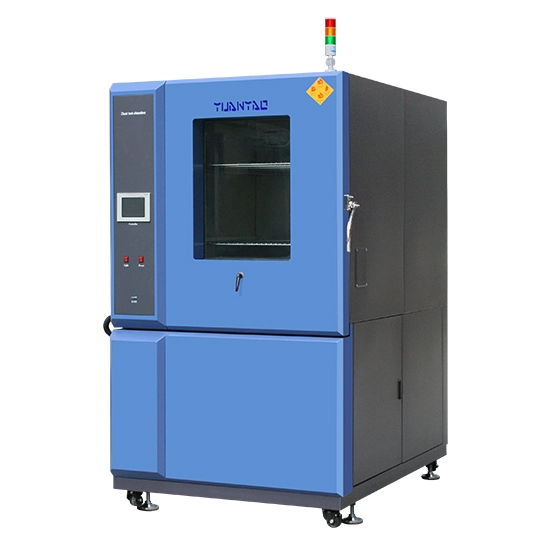
A moisture chamber is especially useful when ambient factory humidity varies enough to create inconsistent tack-free time, handling strength, or final cure depth.
A nitrogen oven should be considered when the process requires heat plus low oxygen, rather than humidity.
The chamber is purged with nitrogen to displace oxygen, creating an inert atmosphere during heating. This helps protect oxidation-sensitive components and materials. Industrial inert ovens can also use oxygen monitoring and automatic nitrogen control to maintain a specified low-O₂ environment.
Nitrogen primarily reduces oxygen exposure. This can be important for:
Semiconductor packaging
Polyimide curing
Conductive materials
Copper-containing assemblies
Electronic components sensitive to oxidation
Battery materials
High-temperature aging
Controlled drying processes
A nitrogen drying system can therefore combine controlled heating with inert-gas protection while moisture or volatile substances are removed.
However, nitrogen drying should not automatically be used for conventional one-part moisture-cure silicone. Dry nitrogen contains very little water vapor, so purging the chamber may remove the moisture required for the adhesive's cure mechanism.
The most reliable equipment-selection method is to evaluate four process questions.
1. What activates the adhesive cure?
If atmospheric moisture is required, use controlled humidity. If thermal energy drives the cure, determine whether air or an inert atmosphere is specified.
2. Is oxidation a process risk?
If heated copper, conductive materials, semiconductor structures, or other sensitive surfaces can oxidize, a nitrogen oven may provide better process protection.
3. Is the objective curing or drying?
These are not always the same. A nitrogen drying system is useful when removing absorbed moisture while limiting oxidation or contamination. Moisture-curing adhesive processing requires moisture to remain available.
4. What parameters must be repeatable?
For moisture cure, focus on temperature and RH uniformity. For nitrogen processing, evaluate temperature uniformity, nitrogen purge efficiency, oxygen concentration, airflow, exhaust design, and gas consumption.
For production applications, equipment should be selected according to the adhesive manufacturer's recommended cure profile and then validated using actual assembly geometry and production loading.
Moisture cure chambers and nitrogen ovens solve different manufacturing problems.
Choose moisture chambers when an adhesive or sealant depends on controlled humidity for predictable curing. Choose a nitrogen oven when the process needs thermal curing or drying together with protection against oxygen and oxidation.
For electronic manufacturing, the best curing system is therefore not simply the chamber with the highest temperature or lowest oxygen level. It is the system that reproduces the environmental conditions required by the material chemistry.
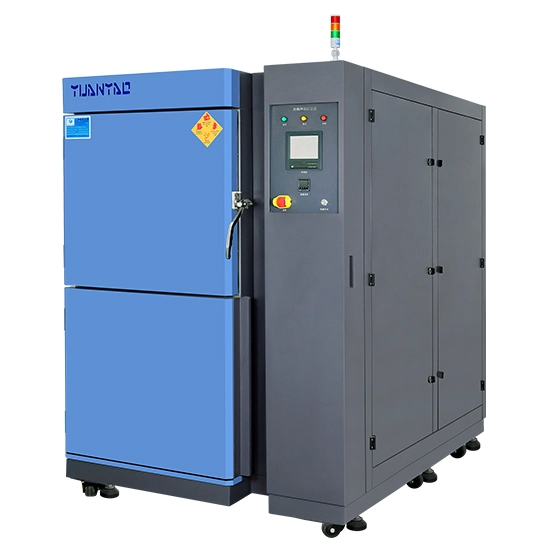
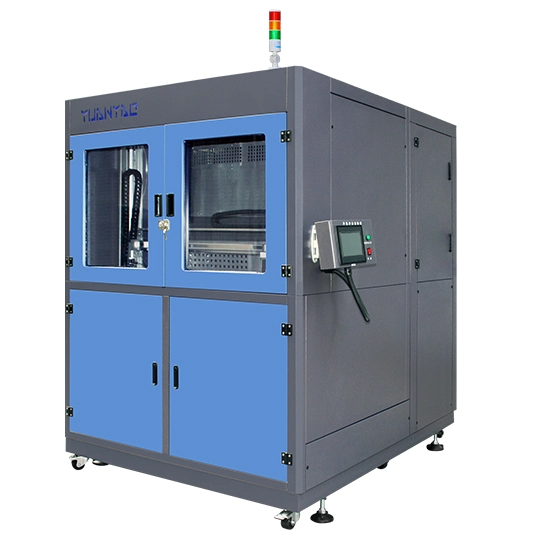
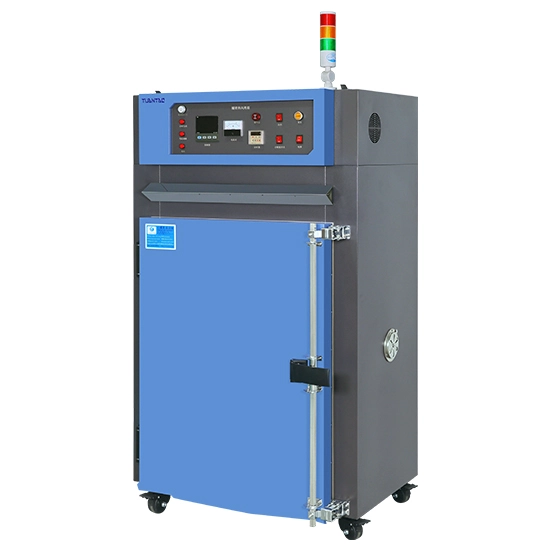
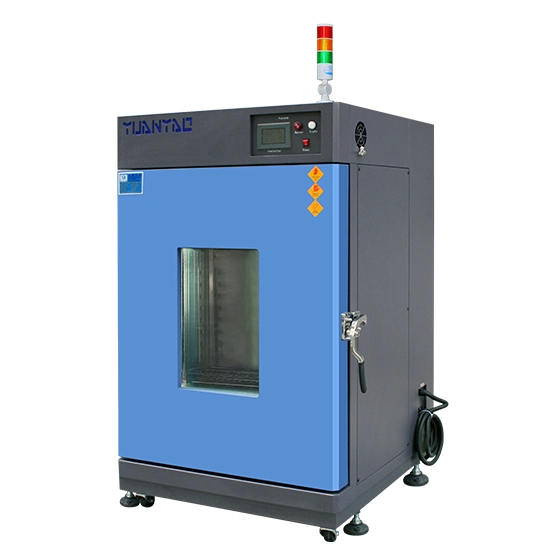
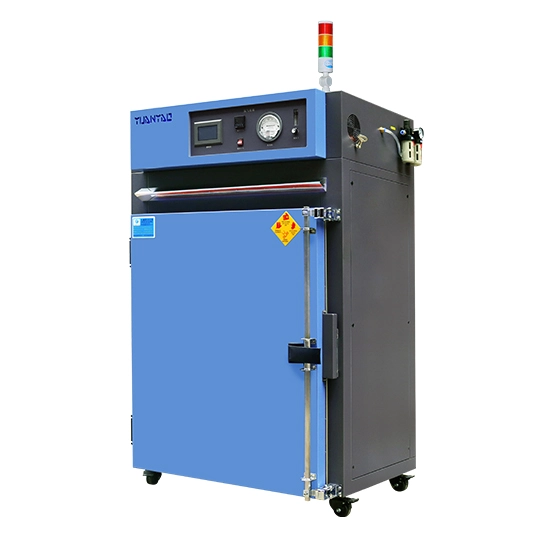
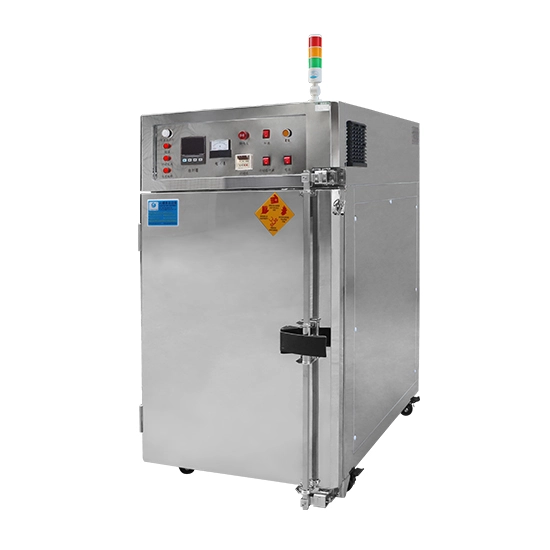
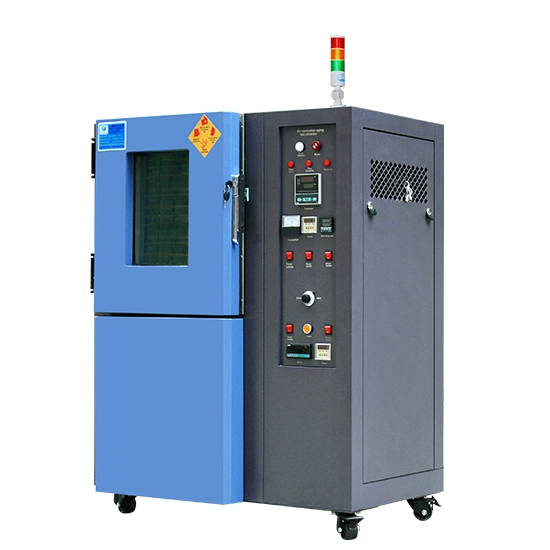
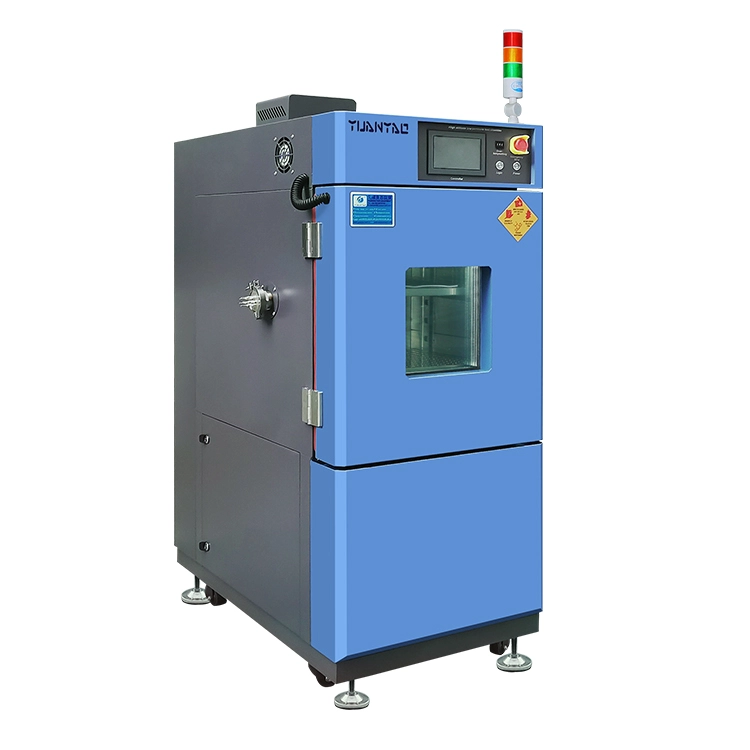
For applications involving semiconductor components, PCBs, batteries, electronic materials, or other oxidation-sensitive products, Yuanyao nitrogen drying ovens can be configured with controlled temperature, nitrogen purging, and oxygen monitoring to support repeatable low-oxygen processing.
Generally, it is not the preferred solution. A dry nitrogen atmosphere can reduce available moisture and slow the curing of one-component RTV silicone. Always check the adhesive manufacturer's specified curing conditions.
For many moisture-cure RTV silicones, higher relative humidity accelerates curing. However, excessive temperature or humidity should not be used unless approved by the material supplier.
Ordinary hot-air drying heats products in an oxygen-containing atmosphere. Nitrogen drying replaces much of that atmosphere with nitrogen, reducing oxygen exposure during the heating and drying process.
Key specifications include maximum operating temperature, temperature uniformity, achievable oxygen concentration, nitrogen consumption, purge time, airflow design, exhaust requirements, chamber size, product loading, and oxygen-monitoring capability.

 English