+86-13532971605

In modern industrial production and daily life, electronic and electrical products are ubiquitous—ranging from outdoor LED streetlights and electric vehicle charging stations to the smartphones and smartwatches we carry with us every day. However, water remains one of the most common threats to electronic equipment. Rain, moisture, or even occasional splashing can lead to internal short circuits, corrosion of components, and eventual failure—posing safety risks and resulting in significant economic losses.
So how can manufacturers scientifically and quantitatively evaluate the ability of an enclosure to resist water ingress? The answer lies in the internationally recognized IP (Ingress Protection) rating system and the specialized IP waterproof test chamber.
Ensuring Product Reliability and Safety
The core value of waterproof testing is to simulate real-world conditions such as rain and temporary immersion, verifying whether water can penetrate the enclosure and whether electrical performance remains intact. For high-precision equipment used in aerospace, marine, or automotive applications, even the slightest leakage can lead to catastrophic failure. Waterproof testing serves as the critical safeguard in quality assurance.
Meeting Regulatory Requirements and Market Access
Outdoor electrical products are generally subject to specific IP rating requirements in the marketplace. Whether for CCC, CE, or UL certification, clear criteria for enclosure protection must be met. In addition, an official IP test report is often a mandatory deliverable for project acceptance. Conducting standardized waterproof tests is therefore a prerequisite for gaining market access and ensuring regulatory compliance.
Guiding R&D and Design Improvement
Through systematic testing, weak points in enclosure design and sealing structures can be accurately identified. These insights provide a solid foundation for design optimization, enabling engineers to enhance product environmental adaptability and strengthen competitive advantage in the market.
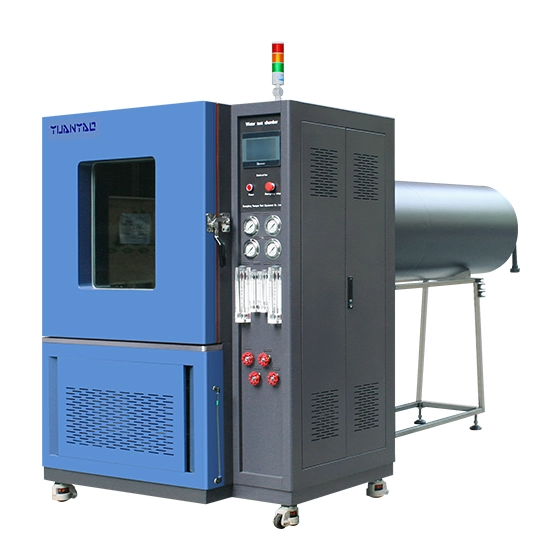
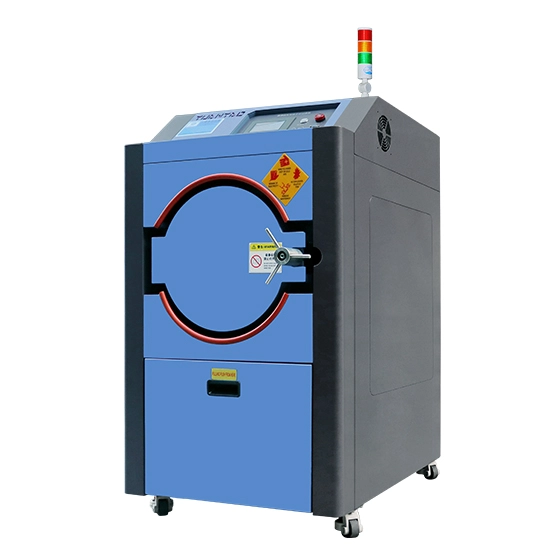
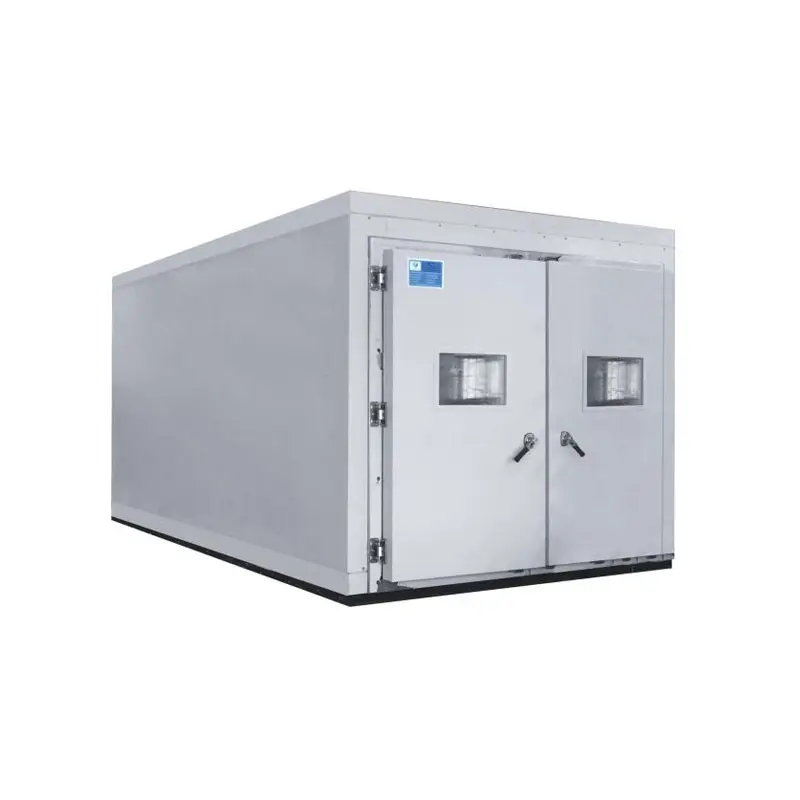
The IP waterproof test chamber is the core instrument for performing the above tests. A qualified test chamber should incorporate the following key technologies and characteristics:
Integrated Design Covering Multiple Test Levels
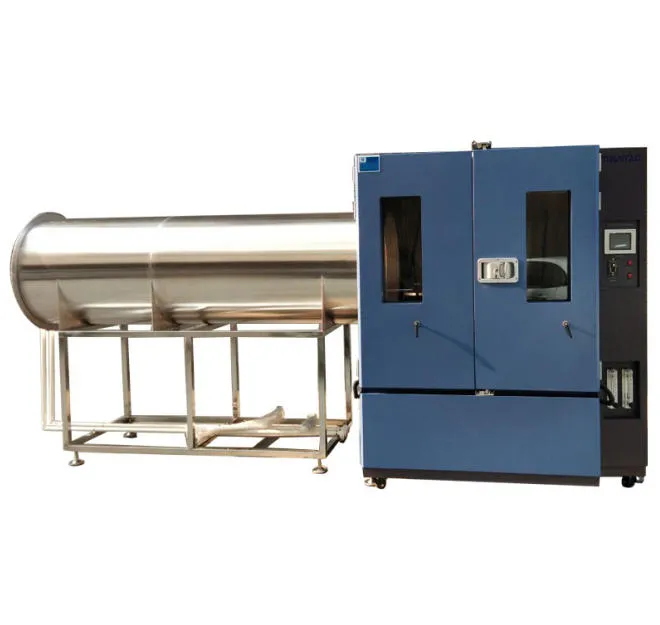
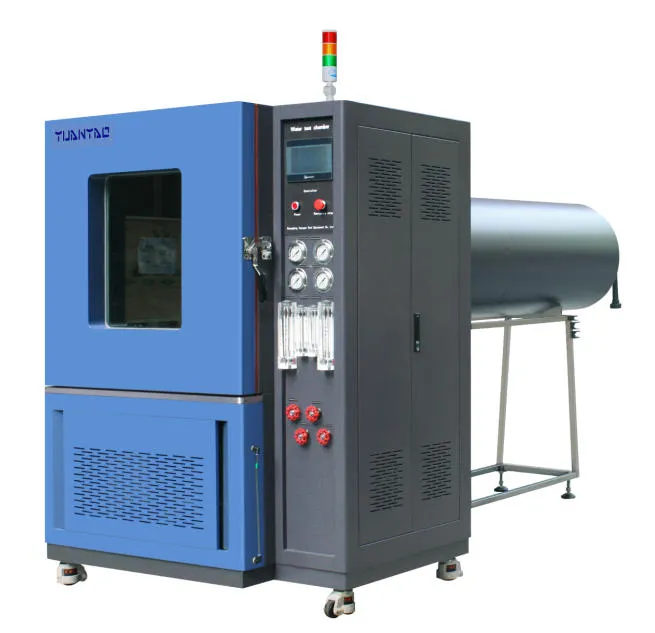
Modern waterproof test chambers are designed with a high degree of integration, allowing a single unit to perform tests from IPX1 through IPX6, and even up to IPX9K. By simply swapping out components—such as drip plates, oscillating tubes, or spray nozzles—operators can switch between different test modes. This modular approach significantly saves laboratory floor space and reduces overall equipment investment.
Precise Control and Reliable Water Supply System
Control System: Equipped with a touchscreen interface and a PLC-based programmable controller, the system allows operators to directly select the desired IP test level. The equipment automatically adjusts parameters such as oscillating tube angle, flow rate, and test duration, ensuring high repeatability and accuracy across test runs.
Water Circulation and Filtration: The chamber is supplied with a built-in water tank, enabling water recirculation during operation. This eliminates the need for constructing a dedicated waterproof test room. In addition, the supply line is equipped with a filtration system to effectively prevent nozzle clogging and maintain consistent spray performance.
The IP waterproof test chamber is suitable for verifying the protection ratings of products across a broad spectrum of industries and categories:
Electrical and Electronic Products: Including printed circuit boards, electrical components, and power supply modules—used to verify operational safety under humid or rain-exposed conditions and to prevent water-induced short circuits.
LED Lighting Products: Such as outdoor streetlights, landscape luminaires, lamps, and LED strips—where water resistance directly impacts long-term service life under harsh weather.
Communication and Digital Equipment: Including outdoor communication base stations, portable digital devices, and sensor units—designed to withstand rain, sprays, and other outdoor scenarios.
Electrical Cabinets and Distribution Boxes: Outdoor control enclosures that must protect internal components from rainwater ingress in open-air installations.
Vehicle and Transportation Equipment: On-vehicle components and exterior electrical devices that are exposed to rain, snow, and high-pressure washing during routine operation.
By simulating outdoor rain conditions in accordance with enclosure protection standards, the equipment provides objective test data to determine whether a product meets its designated IP rating. This supports product structure optimization, new product development, and factory quality inspection.
IP waterproof testing is by no means an optional procedure—it is a critical milestone in a product's journey from design to market, and from basic compliance to superior performance. A high-performance, intelligently controlled IP waterproof test chamber is not only a powerful tool for quality management but also a solid commitment to end-user safety and experience. In an era of ever-increasing reliability expectations, investing in professional waterproof testing capabilities is, ultimately, an investment in the future of your brand.

 English