+86-13532971605

In the process of modern scientific research and industrial production, material drying treatment often directly affects product quality and performance. Compared to traditional heating methods, the vacuum drying oven has gradually become an important piece of equipment in laboratories and manufacturing fields due to its unique advantage of "low temperature and high efficiency." By heating in a low-pressure environment, it effectively lowers the boiling point of liquids, not only improving drying efficiency but also avoiding oxidation and thermal decomposition issues. Whether in new energy, battery manufacturing, pharmaceuticals, food, or material science, the vacuum drying oven plays an irreplaceable role.
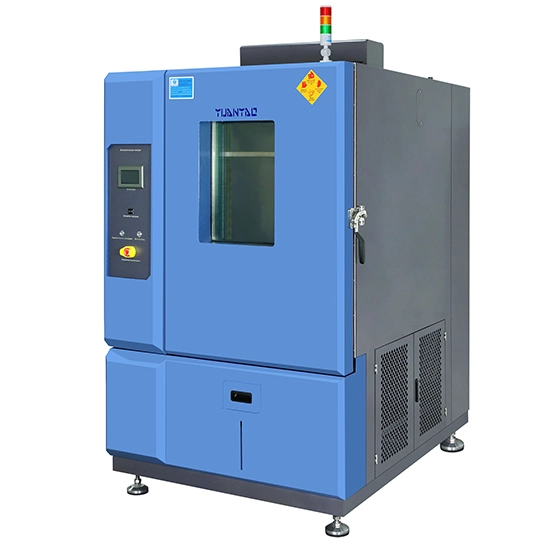
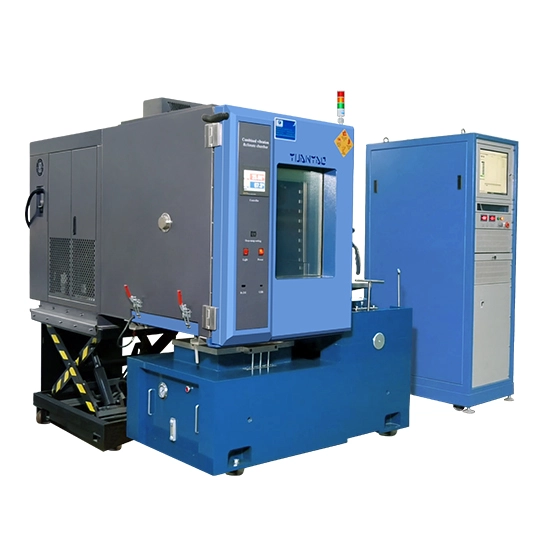
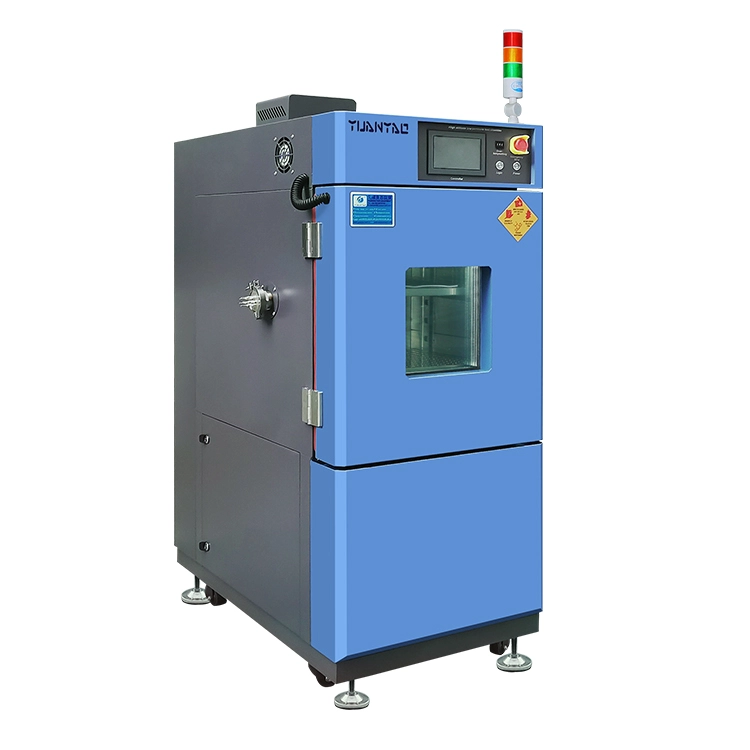
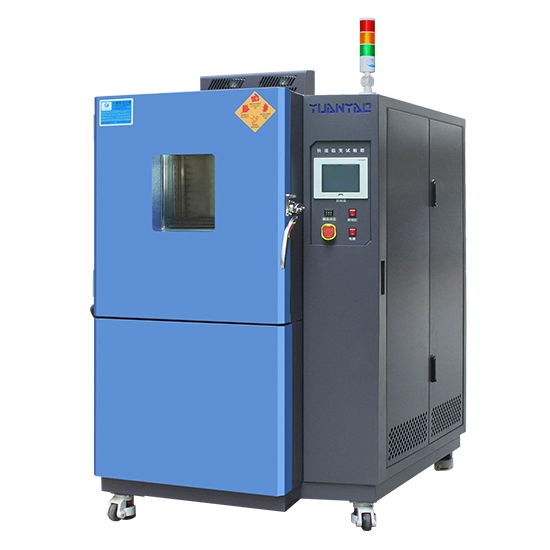
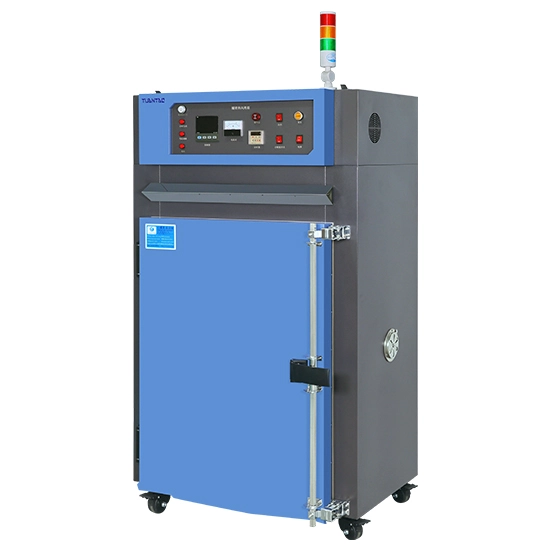
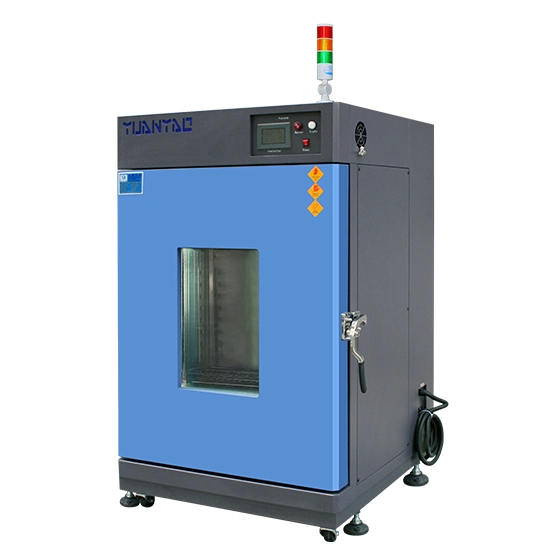
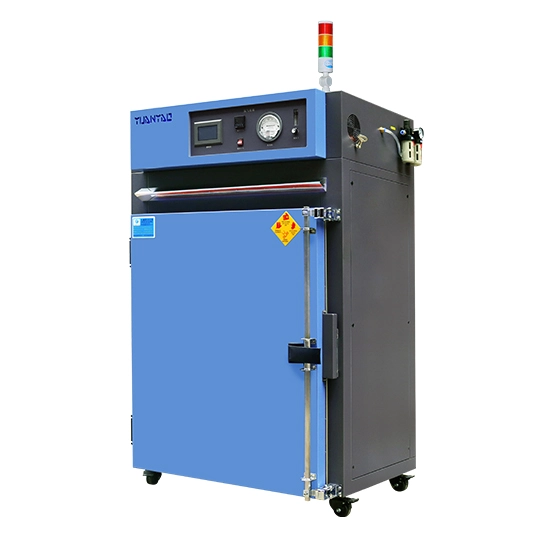
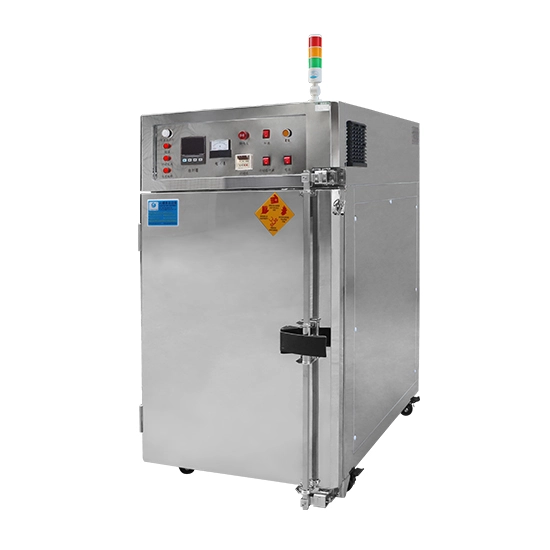
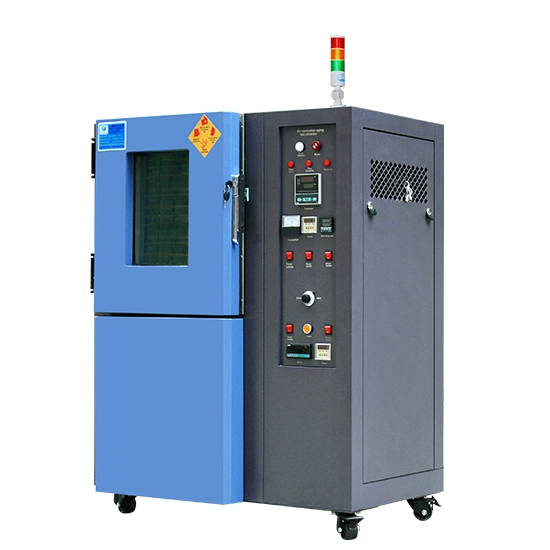
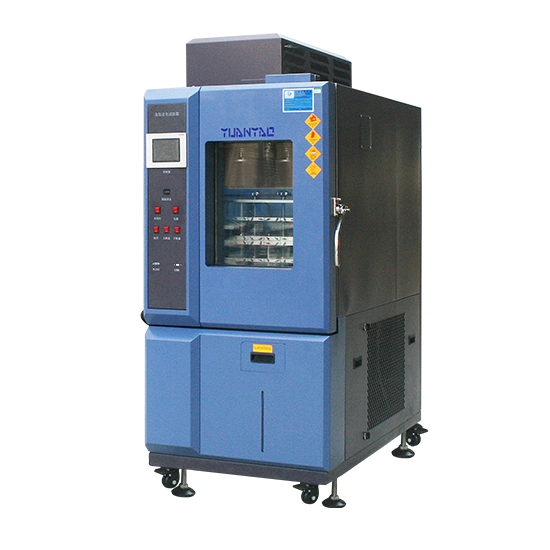
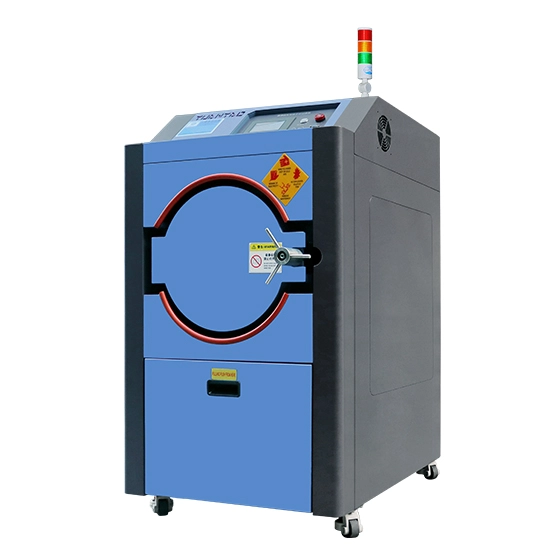
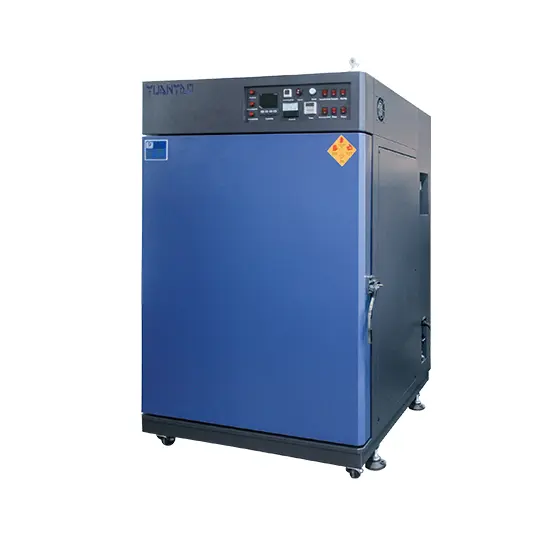
The vacuum drying oven is designed for drying heat-sensitive, easily decomposable, and oxidizable substances. It can be filled with inert gas, allowing even complex component items to dry quickly.
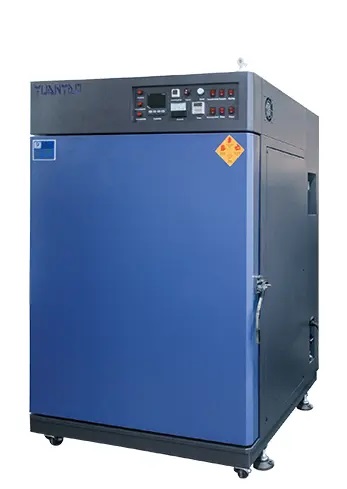
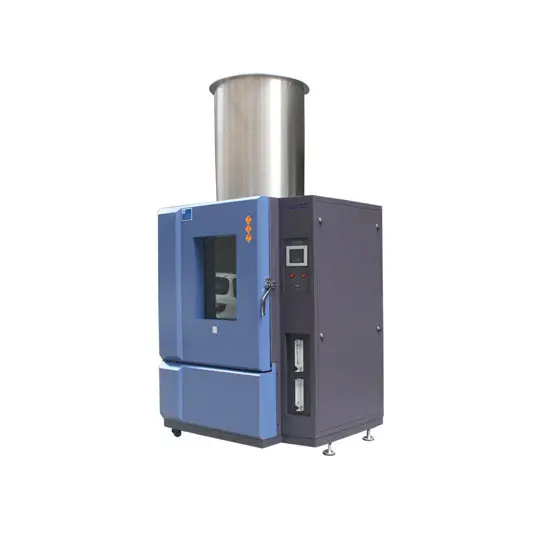
The vacuum drying oven is a laboratory and industrial device for heating and drying in a low-pressure environment. Its core feature is the significant reduction of the boiling point of materials, achieving efficient dehydration or drying at lower temperatures. This equipment typically has advantages such as precise temperature control, excellent sealing performance, and uniform heating, making it very suitable for handling heat-sensitive materials, oxidizable substances, and samples that need to avoid contamination. Additionally, modern vacuum drying ovens are often equipped with digital control systems, making operations more stable and reliable while enhancing experimental repeatability and data credibility.
The working principle of the vacuum drying oven is based on the physical law of "lowering pressure to reduce the boiling point." In a sealed chamber, the air is extracted by a vacuum pump, making the internal pressure lower than atmospheric pressure. At this point, the liquid in the sample (such as water or solvent) evaporates at a lower temperature. Meanwhile, the heating system provides a stable heat source, accelerating molecular movement, making the evaporation process more efficient. The evaporated gas is discharged through the vacuum system, achieving continuous drying. This method not only protects the material structure but also effectively avoids oxidation and thermal decomposition.
The vacuum drying oven is widely used, and its presence can be seen in many industries.
New Energy and Electronics Industry
Power batteries: Testing the thermal runaway risk of battery cells under low pressure and high temperature.
Semiconductor packaging: Welding chips in an inert gas environment to prevent oxidation failure.
Home Appliances and Automotive Manufacturing
High-altitude appliances: Simulating plateau pressure to optimize the boiling point control program of electric pressure cookers.
Automotive components: Testing the sealing of charging plugs for new energy vehicles.
Food and Pharmaceutical Fields
Freeze-dried food: Sublimation dehydration in a vacuum environment, retaining nutritional components.
Pharmaceutical packaging: Testing the sealing of vials to ensure a sterile environment.
Material Science and Research
Composite materials: High-temperature curing in a nitrogen environment to enhance mechanical properties.
Aerospace materials: Simulating the vacuum environment of space to test the UV aging resistance of coatings.
The use of a vacuum drying oven is due to the reduced boiling point of liquids in a low-pressure environment, allowing drying at lower temperatures. This is particularly important for materials that are easily damaged by heat, while ordinary ovens may cause material degradation.
Vacuum drying oven testing has several advantages, including faster drying speed, reduced oxidation, increased safety for volatile substances, and better preservation of material performance.
When selecting a vacuum drying oven, it is important to match specific application requirements based on the required temperature range, vacuum level, and chamber capacity. Additionally, consider the equipment's heating uniformity, material corrosion resistance, as well as brand and after-sales service.

 English