+86-13532971605

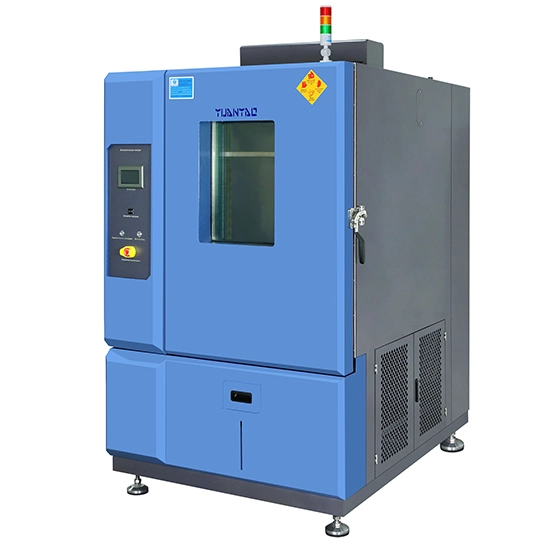
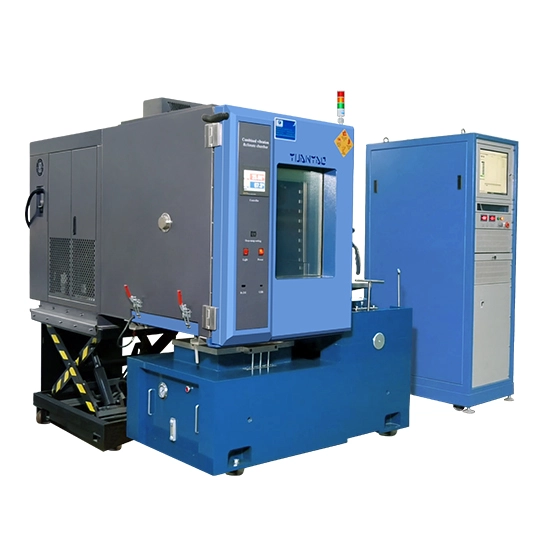
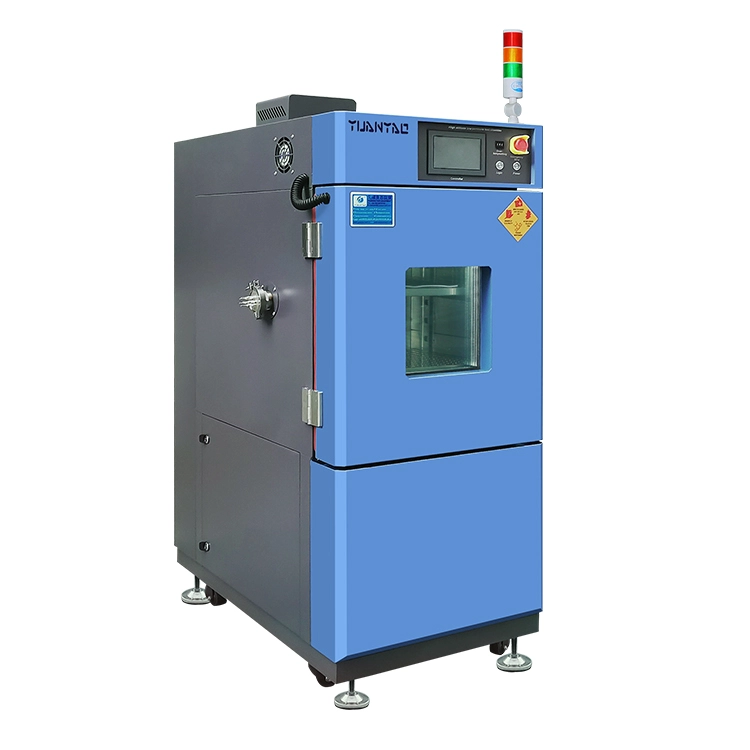
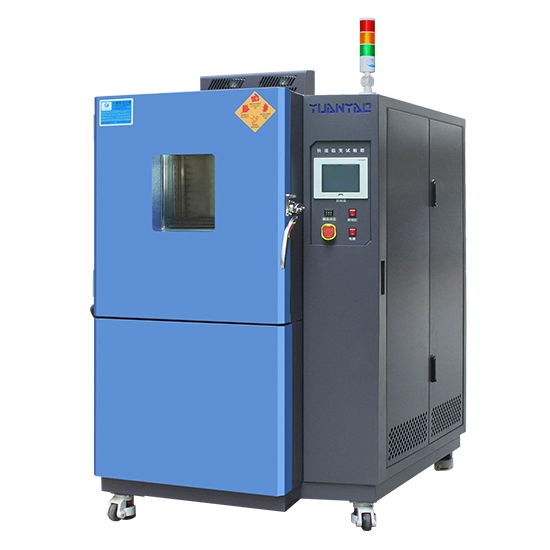
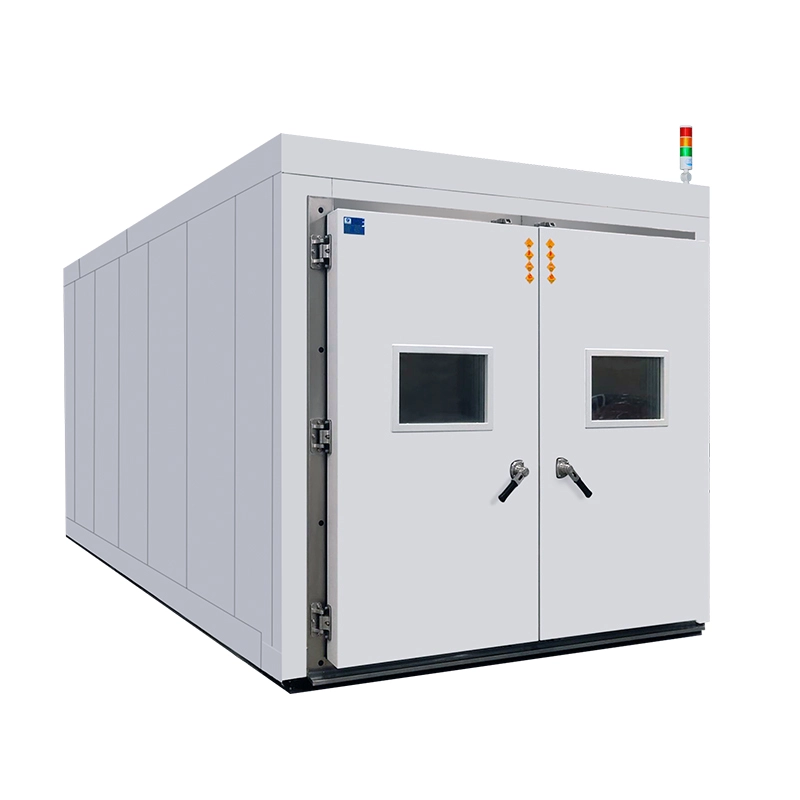
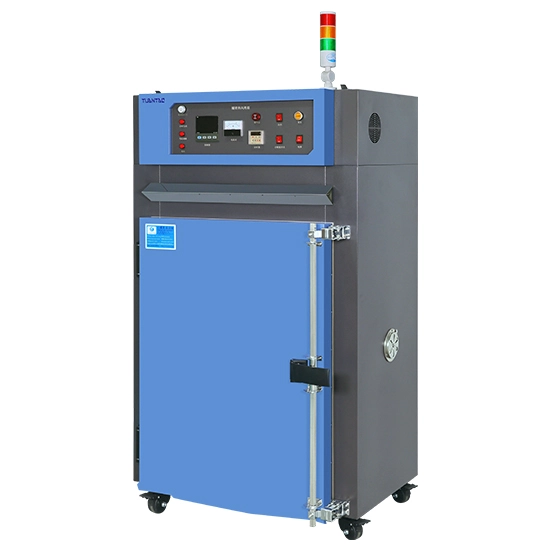
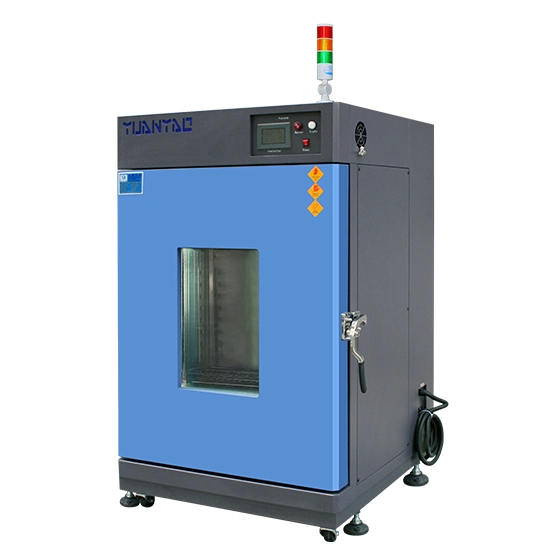
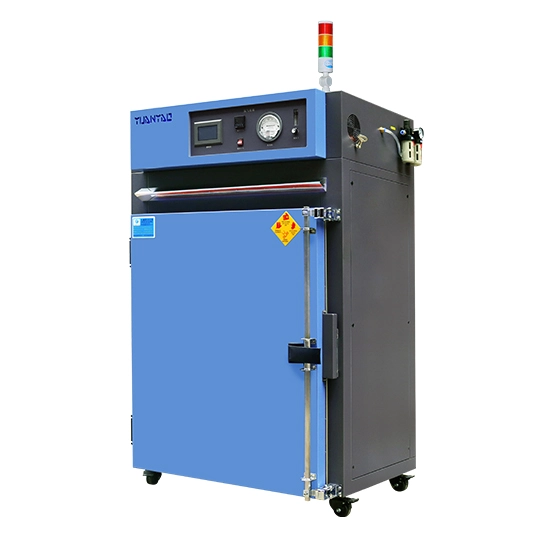
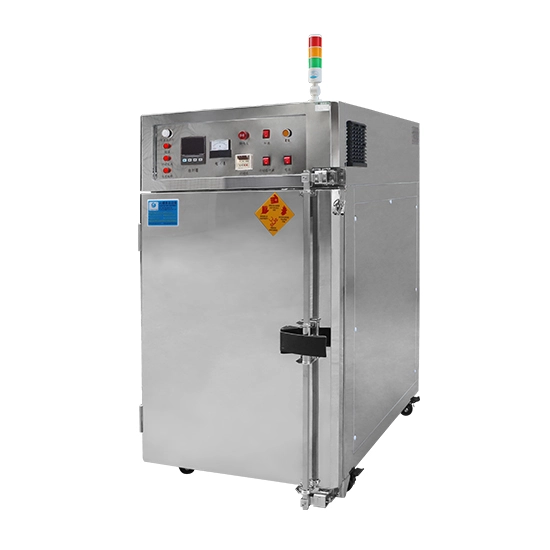
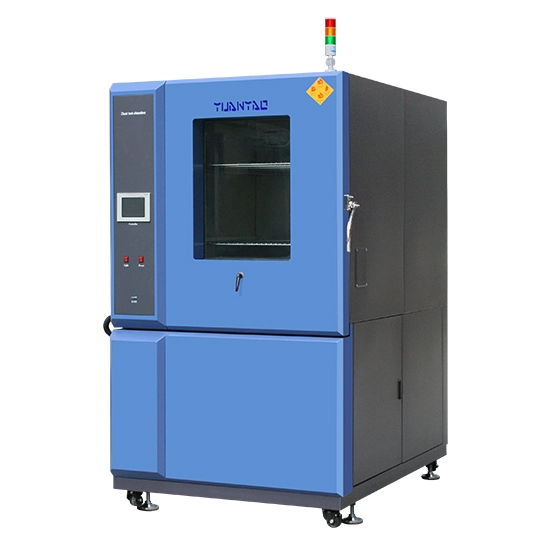
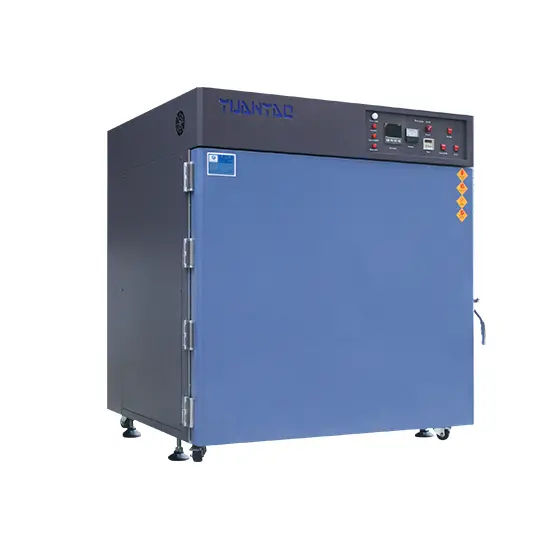
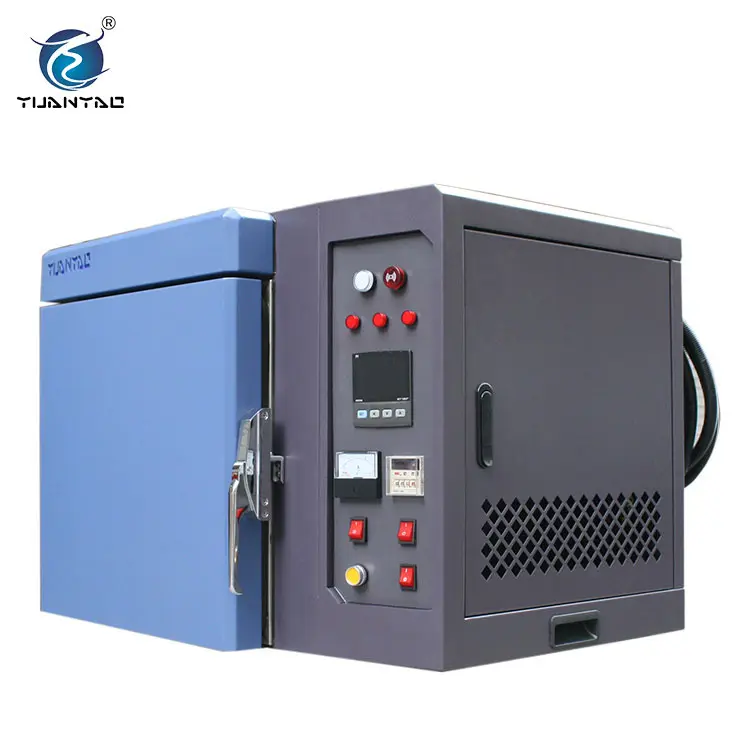
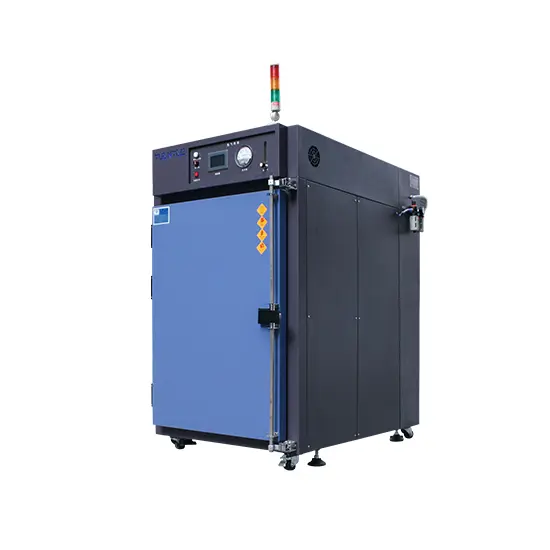
In the automotive industry, components are constantly exposed to road dust, sand, and environmental particles, which can easily lead to air filter blockages, reduced headlight transparency, electronic module intrusion by dust, and decreased performance of seals. Dust test chambers can simulate dust environments of varying intensity and particle sizes. By using controlled wind speeds and circulation methods, dust can be evenly distributed across the test area, allowing for accelerated durability assessments of automotive components. Through these experiments, the protective capability of components in dusty conditions can be visually understood, providing scientific evidence for product development and quality control. This equipment features precise performance in air circulation uniformity and dust concentration control, ensuring that each test result is stable and reliable, providing engineers with reproducible experimental data.
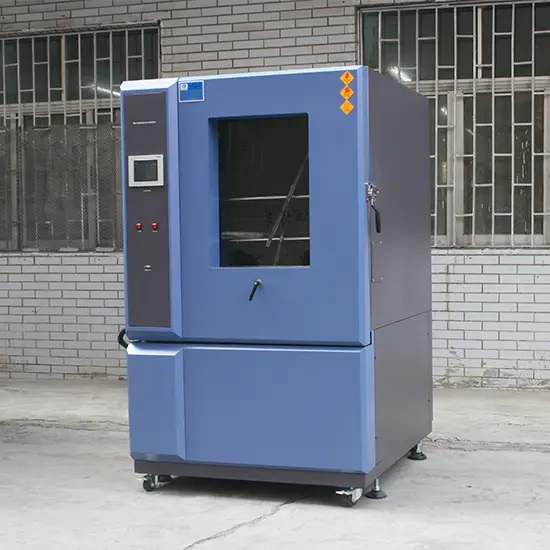
Using dust test chambers, automotive components can experience simulated high-concentration dust environments in a short period, accelerating material aging and functional degradation. The filtration efficiency of air filters under high dust exposure, headlight transparency, internal dust deposition in electronic modules, and the sealing performance of seals can all be quantitatively assessed. Through continuous testing of these critical components, potential protective deficiencies can be identified, allowing for timely materials improvement, structural optimization, or design adjustments. The data provided by dust test chambers not only verify the reliability of current designs but also guide subsequent product iterations, ensuring greater durability of automotive components in actual use environments.
Due to the varying shapes and functions of automotive components, dust testing strategies differ. For air filters, the focus should be on particle interception rates and changes in pressure drop; for headlights, the impact of dust coverage on light flux and uniformity must be evaluated; electronic modules require monitoring of dust interference with circuit boards and connectors; and seals need to be tested for their ability to maintain sealing in dusty environments. Dust test chambers can adjust wind speed, dust concentration, and testing duration according to the characteristics of the components to achieve precise simulation of different testing conditions, thus comprehensively evaluating the performance of various components in dusty environments.
In the process of automotive manufacturing and component production, dust test chambers are critical tools for ensuring product quality. Through regular and batch testing, components with inadequate protective performance can be promptly identified, ensuring the reliability of products under road dust and environmental particle intrusion. Test results can be used for setting quality standards, optimizing production processes, and improving materials, helping enterprises reduce the failure rate of components caused by dust. Long-term use of dust test chambers for experiments aids in establishing a comprehensive quality control system, ensuring that each automotive component maintains optimal performance in actual use.
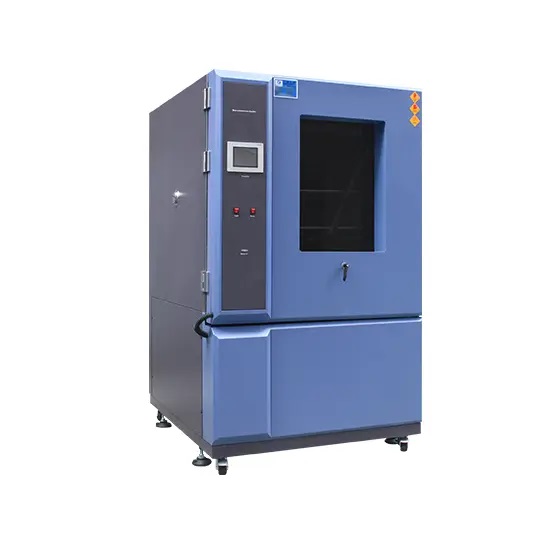
Dust test chambers can not only validate the protective capabilities of components but also provide development teams with improvement directions through experimental data. By analyzing dust deposition amounts, changes in functional performance, and sealing retention, engineers can optimize material selection, structural design, and production processes, thereby enhancing the overall durability and safety of automotive components. Scientific dust durability testing provides quantitative evidence for the reliability of automotive products, ensuring that components can perform stably in various complex environments and effectively reducing failure risks caused by dust.

 English