+86-13532971605

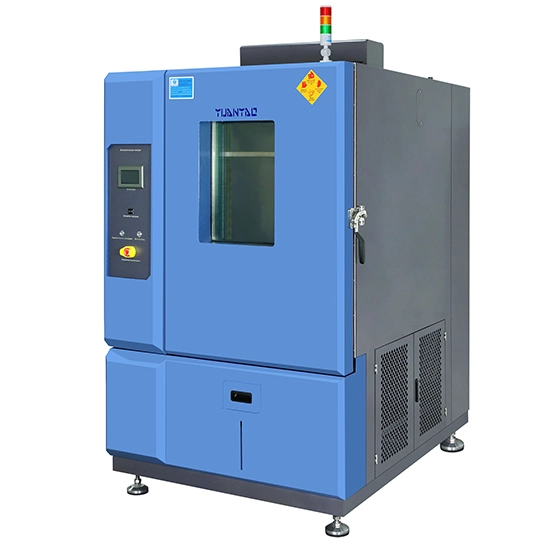
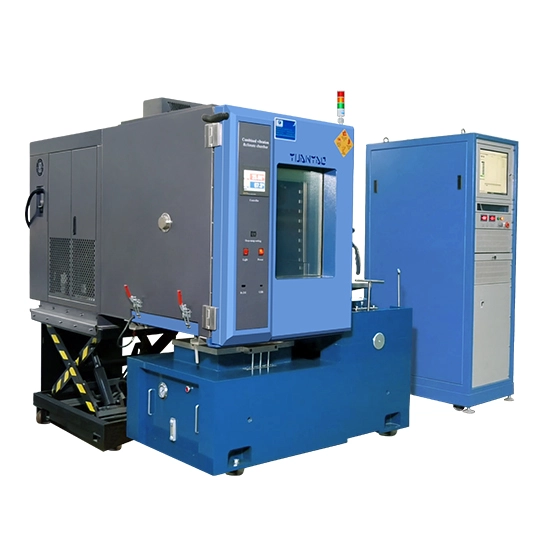
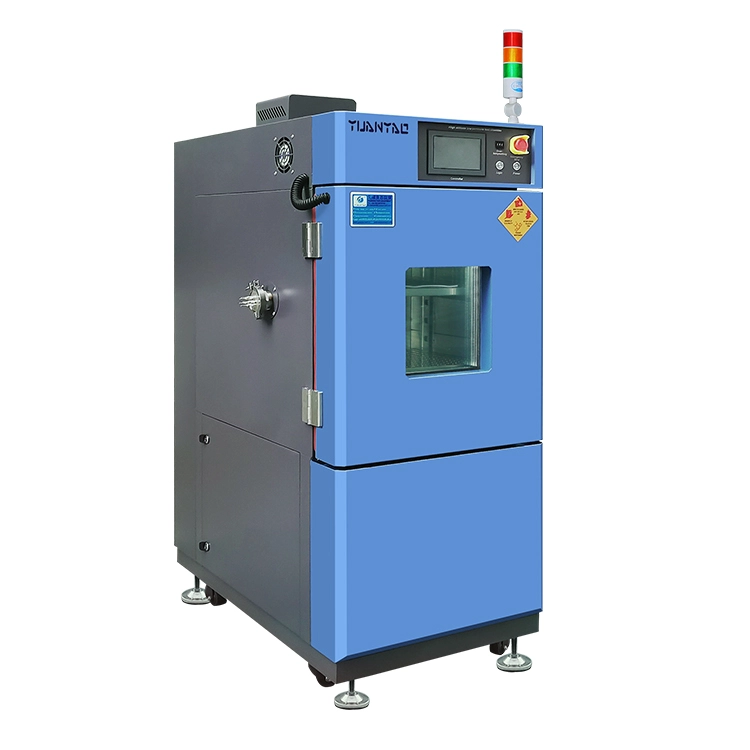
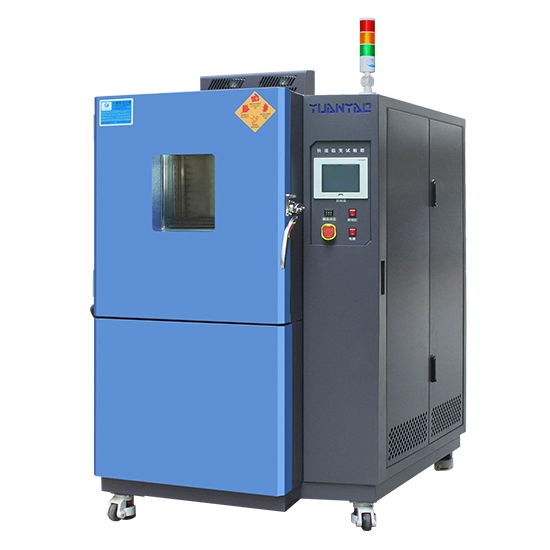
The temperature shock chamber is an important device for conducting high and low temperature cycling tests. Its daily maintenance is crucial for the accuracy of experimental data and the lifespan of the equipment. To ensure stable performance during long-term operation, operators should regularly inspect the heating system, cooling system, and air circulation unit. Cleaning the air ducts, partitions, and sensors inside the test chamber to ensure smooth airflow and even temperature distribution is key to maintaining experimental precision. Additionally, it is important to check the equipment for proper sealing to prevent leakage between hot and cold zones, which could lead to uneven temperature shocks and affect the test results.
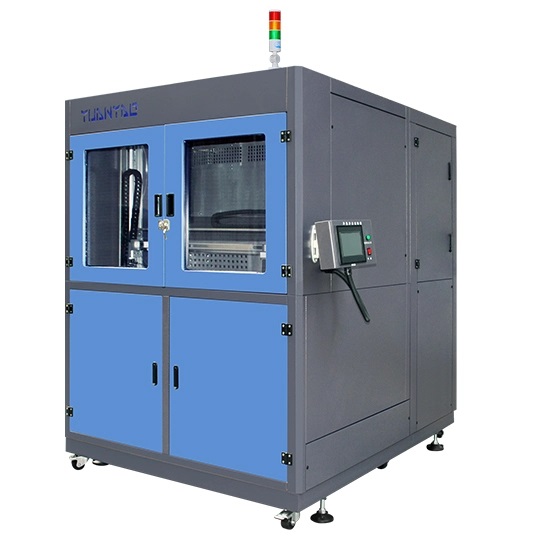
During long-term operation of a temperature shock chamber, issues such as abnormal temperature control, increased fan noise, or uneven circulation may occur. Regular monitoring of the temperature curves and shock rates can help identify temperature deviation issues promptly. The operational status of the fan and air circulation system also needs to be checked to ensure that hot and cold air can be smoothly transmitted to every corner of the test area. Preventive inspections can reduce the risk of experimental interruptions or abnormal data caused by equipment failures, thereby ensuring the continuity and reliability of the tests.
Daily maintenance includes not only cleaning mechanical parts but also periodically calibrating the control system and sensors. Sensors in a temperature shock chamber may drift over time, affecting temperature control accuracy. Thus, it is essential to regularly calibrate and test the temperature sensors, controllers, and alarm systems. Moreover, keeping the housing and internal environment clean to prevent dust accumulation or the attachment of corrosive materials is an important measure for extending the equipment's lifespan. Through systematic maintenance operations, the equipment can maintain high precision and stability over the long term, providing reliable guarantees for temperature shock tests.
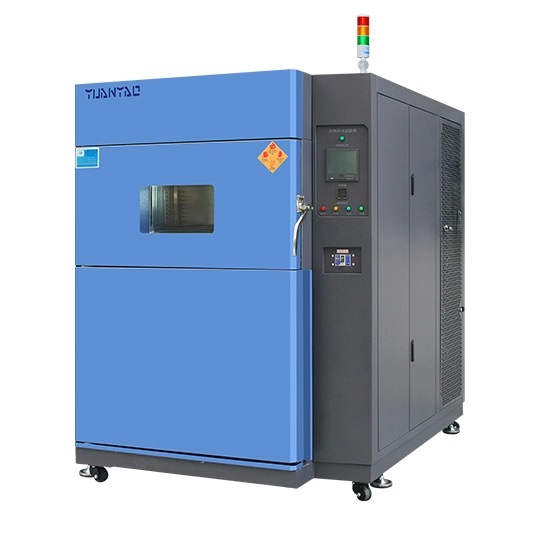
Extending the lifespan of a temperature shock chamber requires a dual approach of proper operation and maintenance. Operators should strictly follow the equipment's operational guidelines, avoiding frequent emergency stops or overloading. Regular maintenance of the compressor, cooling system, heating tubes, and fan, as well as timely replacement of aging components, can reduce the occurrence of failures. Additionally, keeping the surrounding environment of the test chamber dry, well-ventilated, and free from strong vibrations and corrosive gases can also help protect the internal structure and delay the aging of components.
Through scientific daily maintenance and regular inspections, a temperature shock chamber can maintain high-precision temperature control and shock rates over a long period, providing reliable data for material and product performance tests. The equipment status information accumulated during maintenance can also help research and quality management teams optimize experimental arrangements, ensuring that each temperature shock test accurately reflects the performance changes of materials or products. Reasonable maintenance and usage not only extend the equipment's lifespan but also enhance the overall operating efficiency of the laboratory, allowing the temperature shock chamber to play a lasting role in material development, product verification, and quality control.

 English