+86-13532971605

Electronic equipment that operates normally at sea level can fail rapidly at altitude. As atmospheric pressure drops, cooling efficiency decreases, electrical insulation becomes less reliable, and pressure differentials place additional stress on sealed components and enclosures. These effects are especially important in aerospace electronics, UAV systems, communication equipment, power electronics, batteries, and products transported by air.
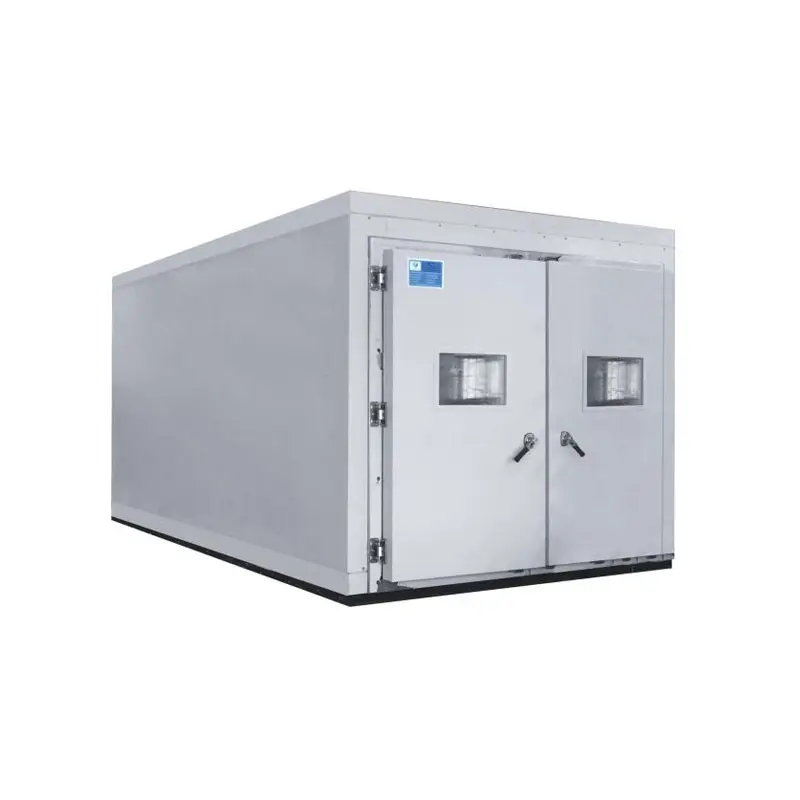
An altitude test chamber reproduces these conditions in a controlled environment so engineers can identify thermal, electrical, and mechanical weaknesses before field deployment.
Lower pressure changes several operating conditions simultaneously.
First, air density decreases, reducing convective heat transfer around PCBs, heat sinks, transformers, power supplies, and other heat-generating components. Second, the insulating capability of air changes, which can increase the risk of corona discharge and electrical breakdown. MIL-STD-202 Method 105 specifically addresses dielectric failures and intensified corona or arcing under reduced barometric pressure.
Pressure differences can also affect sealed housings, displays, capacitors, batteries, sensors, and other components containing trapped gases or liquids. Leakage, deformation, or seal damage may appear even when the product passes standard temperature testing at atmospheric pressure.
Many electronic assemblies depend partly on natural or forced-air convection. At lower pressure, less air mass passes over a hot surface, so the same fan speed or heat-sink design may remove less heat.
Typical warning points include:
Power semiconductors and converters
CPUs and high-performance processors
Transformers and inductors
High-current connectors
Fan-cooled power supplies
Components inside densely packed enclosures
This is why testing pressure and temperature together is more representative than performing separate tests. A temperature altitude chamber can expose an energized product to the expected operating temperature while simultaneously reducing chamber pressure, revealing component temperatures that may not appear during sea-level thermal testing. Reduced cooling efficiency at altitude is a recognized concern in environmental qualification testing.
Engineers should monitor critical component temperatures rather than relying only on chamber air temperature.
Yes. Reduced air pressure changes the breakdown voltage between conductors. According to the behavior described by Paschen's law, certain combinations of pressure and electrical spacing can make discharge easier than under normal atmospheric conditions.
This becomes especially important around high-voltage PCB traces, terminals, relays, transformers, connectors, and exposed conductors. Corona may occur before a complete arc develops and can gradually damage insulation or create electrical interference.
Design reviews should therefore consider creepage and clearance distances together with the actual pressure and voltage expected in service.
It can. If an enclosure or component is sealed near sea-level pressure, lowering the external pressure creates a pressure differential across its seals and walls. Weak gaskets, feedthroughs, adhesive joints, welded interfaces, or housings may leak, expand, deform, or fail.
Rapid decompression can create even greater mechanical stress. For this reason, altitude qualification may include operating altitude, storage altitude, and decompression conditions depending on the product and applicable standard.
A useful test profile should reproduce the product's real mission rather than simply applying the chamber's maximum altitude.
Define:
Maximum operating and transport altitude — including aircraft cargo or unpressurized operating conditions.
Temperature at each altitude stage — because thermal and pressure stresses interact.
Pressure-change rate — gradual ascent and rapid decompression can produce different failures.
Operating load — power the device at representative or worst-case loads when required.
Critical measurements — monitor internal temperatures, voltage/current, insulation behavior, communication performance, leakage, and physical deformation.
Dwell time — allow enough stabilization time to expose thermal or seal-related problems.
Where applicable, test profiles may reference requirements such as MIL-STD-810 Method 500.6 or RTCA DO-160 rather than using an arbitrary pressure set point.
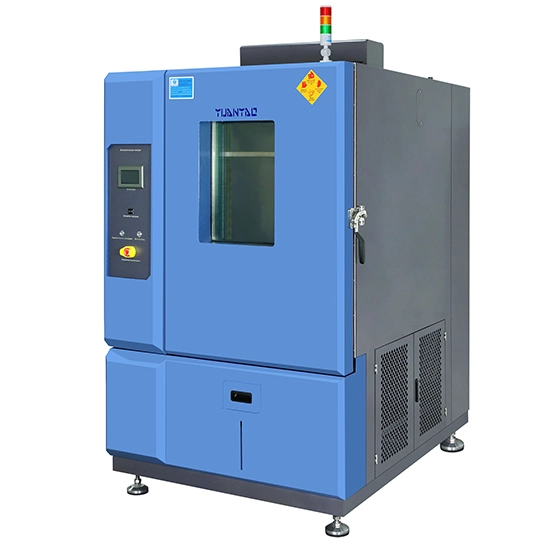
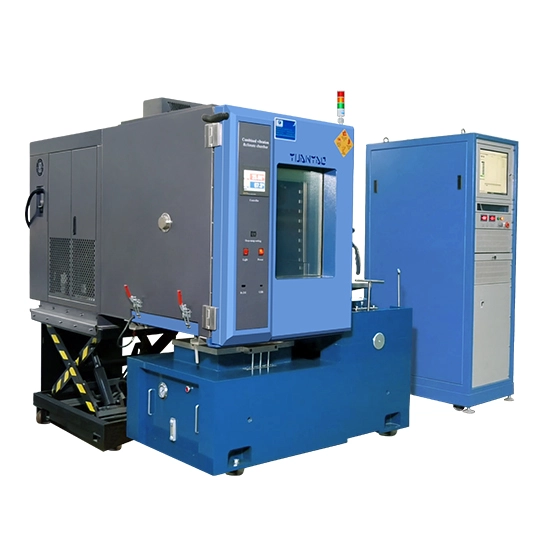
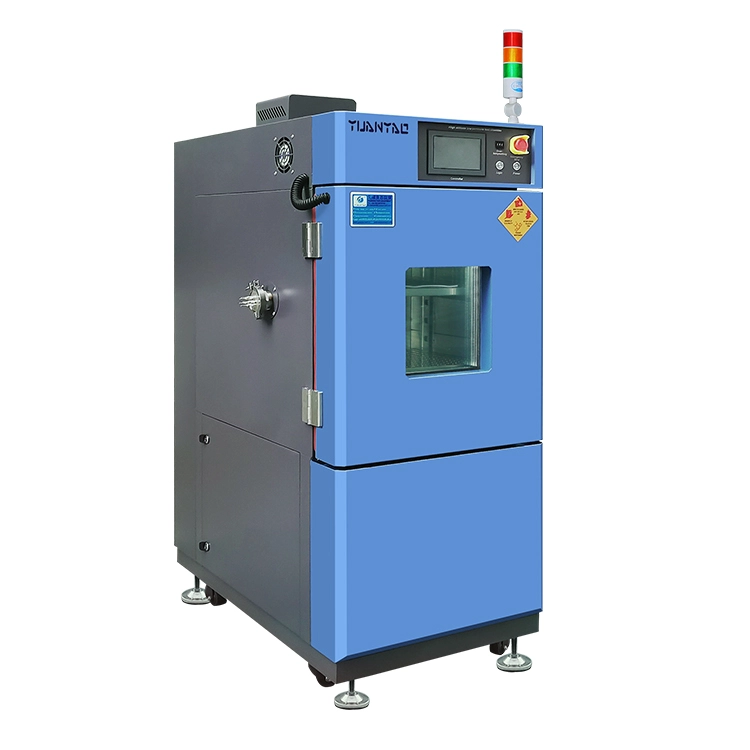
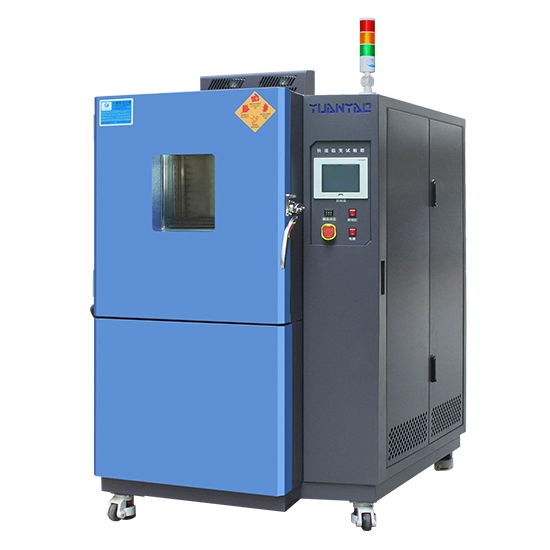
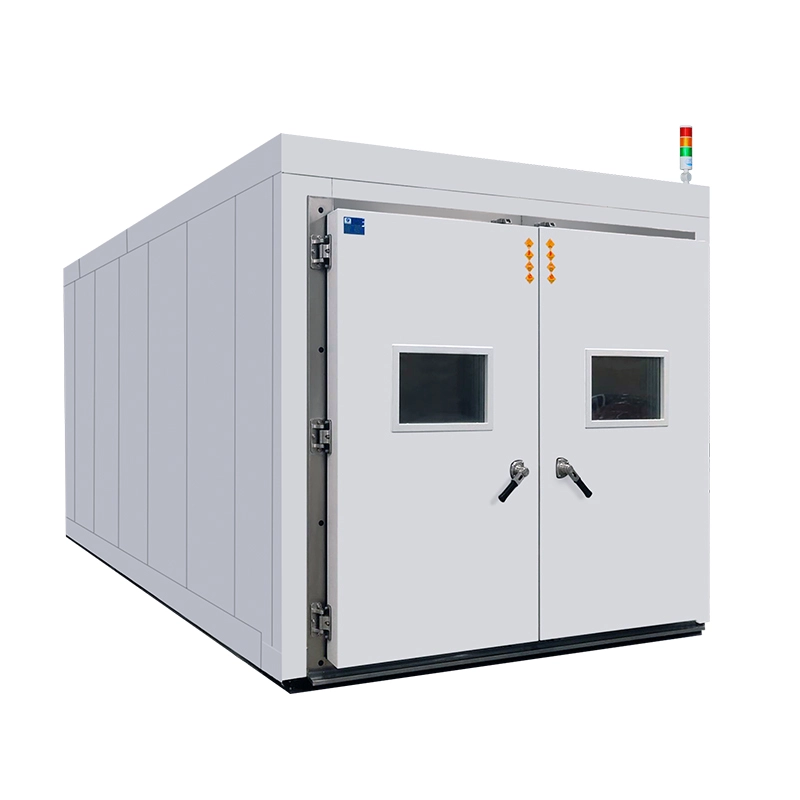
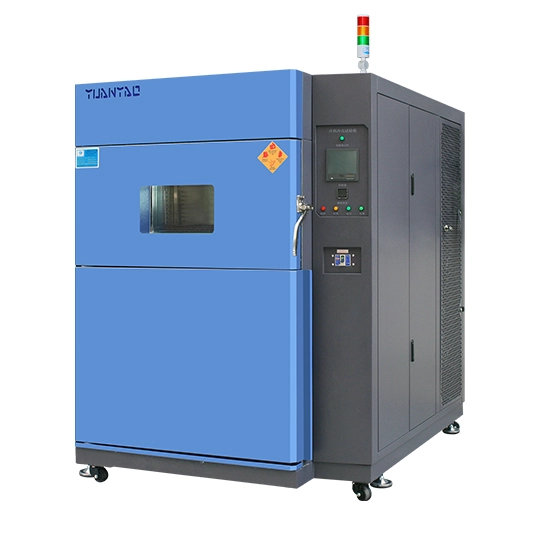
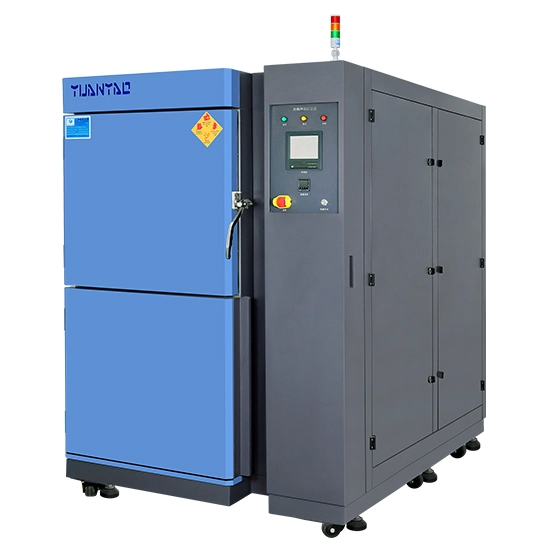
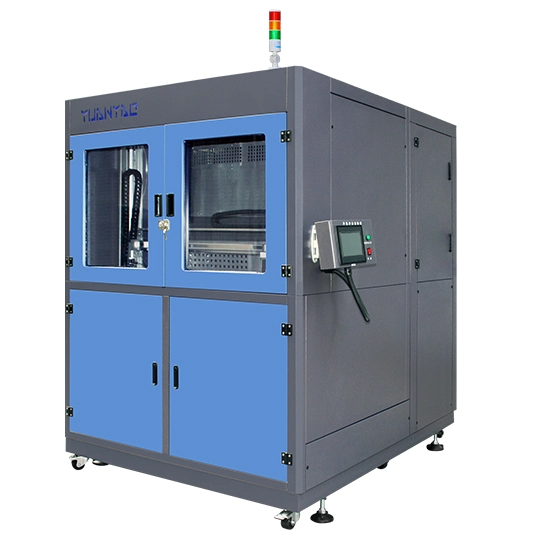
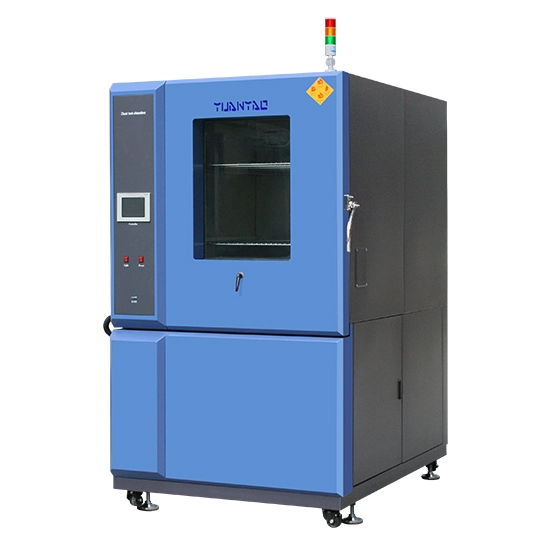
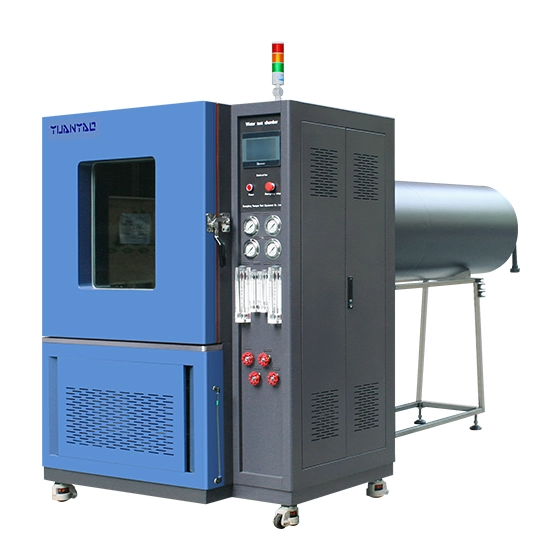
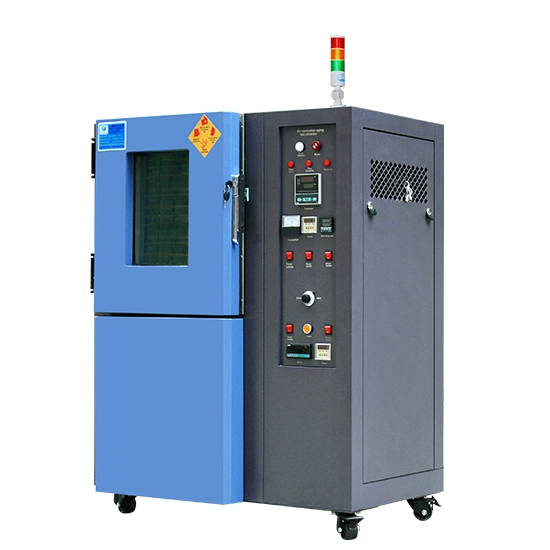
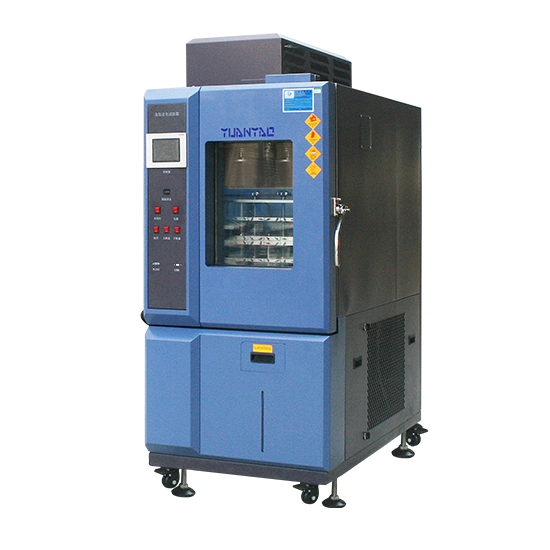
When comparing altitude chambers for sale, engineers should therefore look beyond maximum simulated altitude. Pressure-control accuracy, temperature range, depressurization capability, usable chamber volume, electrical feedthroughs, safety protection, and data acquisition options can be equally important.
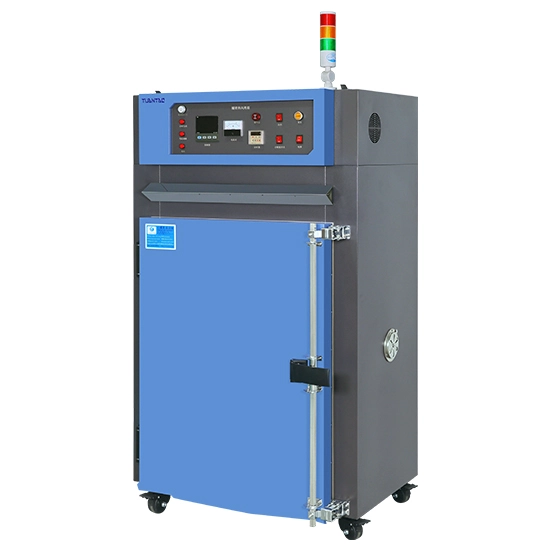
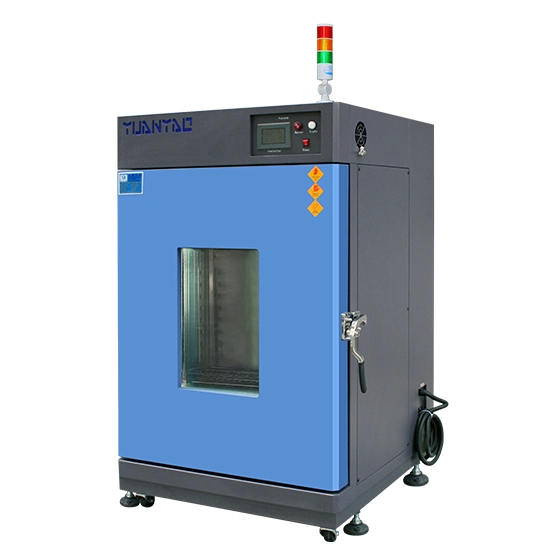
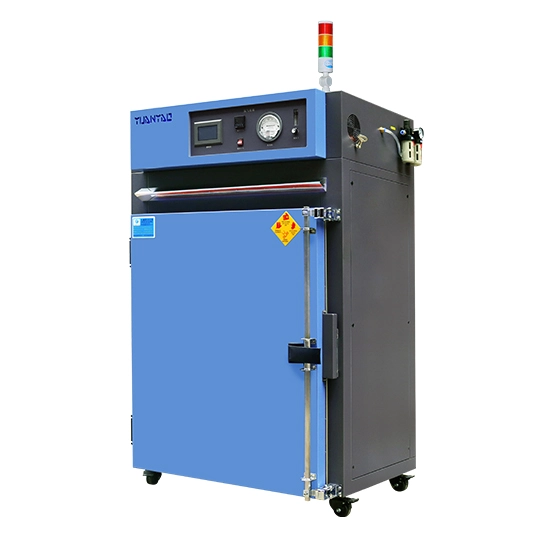
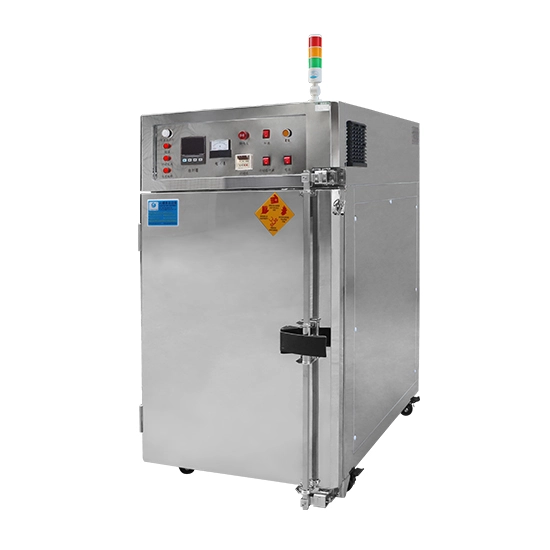
Yuanyao's altitude chamber range, for example, combines temperature and reduced-pressure simulation for electronics, aerospace, communication, and related reliability testing applications.
High-altitude electronics testing is not simply a question of whether a device can survive low pressure. Reduced air density can increase component temperatures, altered dielectric conditions can promote corona and arcing, and pressure differentials can reveal weaknesses in seals and enclosures.
Testing these stresses together in an altitude test chamber gives engineers a much more realistic picture of product reliability and helps uncover failures that ordinary temperature testing may miss.
It simulates reduced atmospheric pressure, often together with high or low temperature, to evaluate how products operate, survive, or remain sealed at altitude.
Lower air density reduces convective cooling. Components that depend on airflow can therefore operate at higher temperatures even when their electrical load remains unchanged.
Yes. Reduced pressure changes the dielectric strength of air and may increase corona discharge or arc-over risk across certain conductor gaps.
For products that experience both conditions simultaneously in service, combined testing is generally more representative because low pressure can directly affect heat dissipation and electrical behavior.

 English