+86-13532971605

In environmental reliability testing, the uniformity of temperature and humidity in a constant temperature test chamber directly affects the accuracy of the test results. If the distribution of temperature and humidity inside the chamber is uneven, it can easily lead to deviations in test data, thereby affecting product quality assessment.
The following is an analysis of the main reasons for uneven temperature and humidity distribution in a constant temperature humidity chamber.
If the constant temperature and humidity test chamber body and door are not sealed properly, and non-specified sealing strips are used, it can lead to gaps in the chamber and air leakage from the door, subsequently interfering with the uniform distribution of the environmental temperature during operation.
Due to different thermal conductivity coefficients on the six surfaces (top, bottom, left, right, front, back) of the chamber walls during operation, some test holes result in certain areas having heat dissipation and conduction, causing an uneven distribution of environmental temperature in the chamber. Subsequently, this leads to an uneven distribution of radiative and convective heat transfer on the chamber walls.
Issues in overall planning result in the difficulty of achieving a symmetrically structured uniform distribution in the internal structure of the equipment. Asymmetric structures inevitably lead to deviations in the uniformity of internal environmental temperature. This area mainly reflects in the planning and handling of sheet metal parts, such as the design of ventilation ducts, the direction and position of heating tubes, and the power output of centrifugal fans. These factors all interfere with the uniformity of environmental temperature inside the chamber.
Constant temperature humidity chamber operation is influenced by the differences in specimens inside the chamber: if there are specimens inside the chamber during operation that are sufficient to interfere with internal convective heat transfer, it will inevitably affect the uniform distribution of internal environmental temperature to some degree.
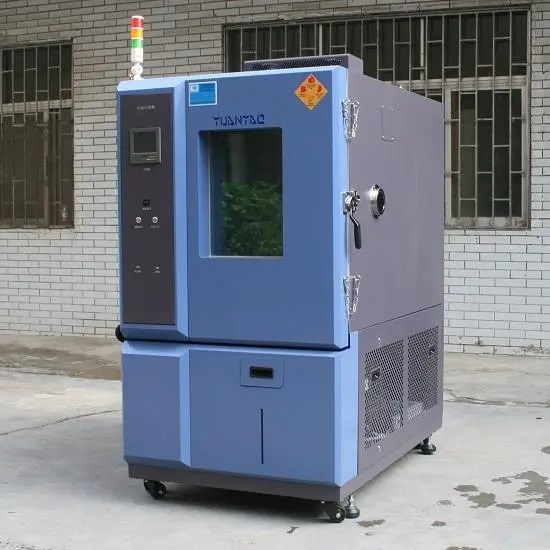
If the specimen volume is too large, or if there are issues with the placement method inside the chamber during operation, causing obstruction to air convection inside, it will also result in a significant deviation in environmental temperature uniformity. If specimens are placed next to ventilation ducts, interfering with air circulation, the uniformity of environmental temperature will naturally be greatly affected.
Differences in the internal structure of the equipment can lead to uneven distribution of internal environmental temperature, thereby interfering with convective heat transfer inside the chamber during operation, causing deviations in internal environmental temperature uniformity.
Understanding the causes of uneven temperature and humidity distribution allows for better selection of constant temperature and humidity chamber, thereby improving product quality and increasing production efficiency.
Choosing equipment with reasonable structural design and high control accuracy is particularly important. Yuanyao is committed to providing high-performance constant temperature and humidity chamber solutions, effectively improving temperature and humidity uniformity through optimized structural design and airflow organization, helping enterprises enhance test reliability and product quality.
What is a constant temperature and humidity test chamber?
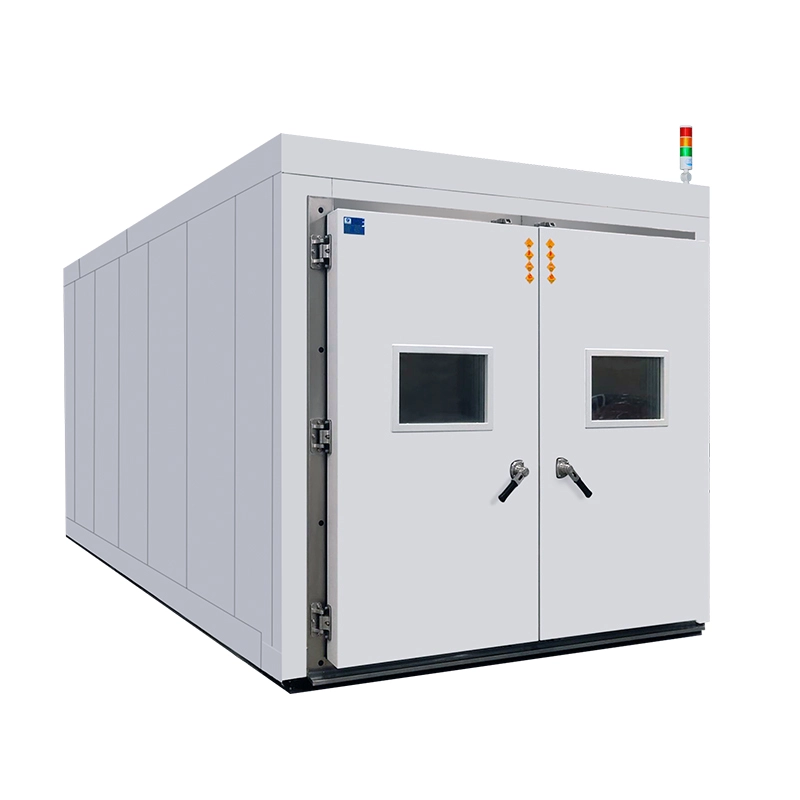
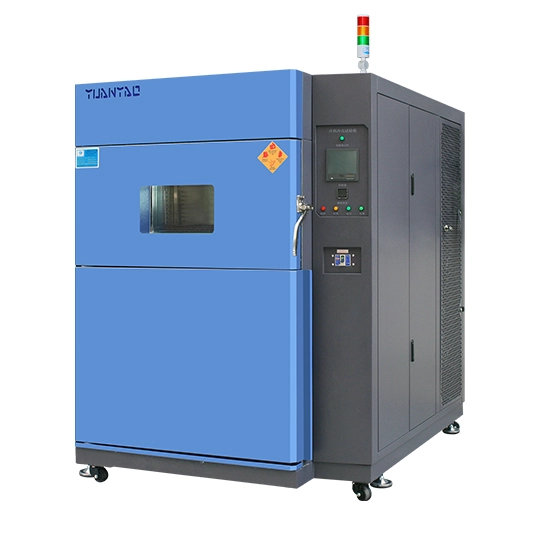
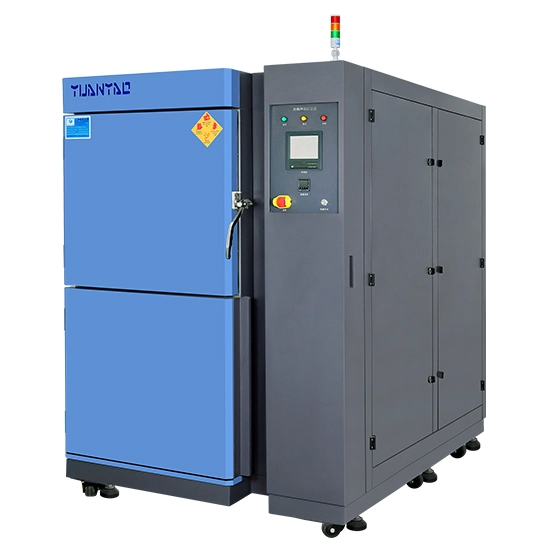
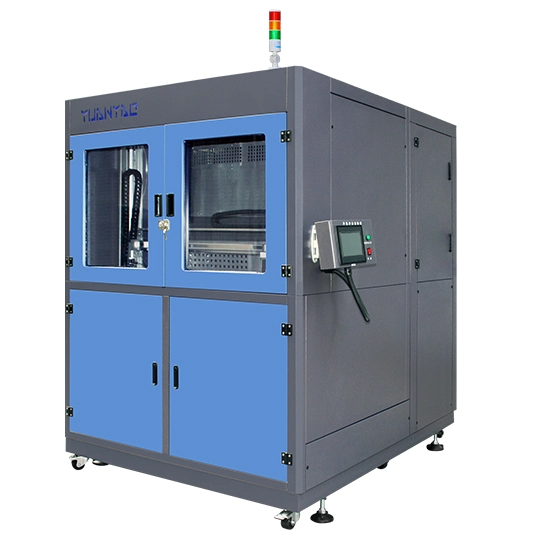
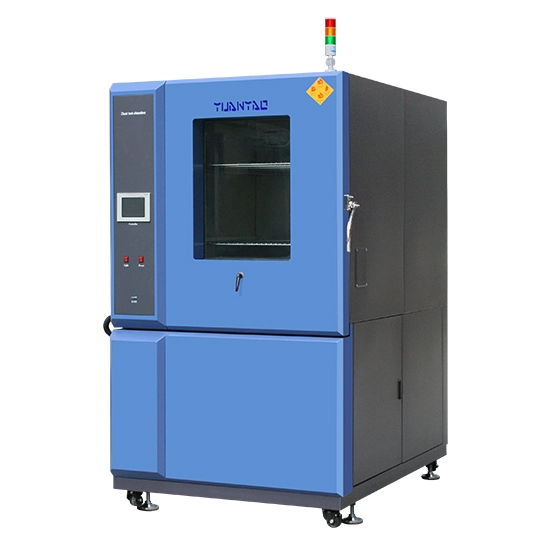
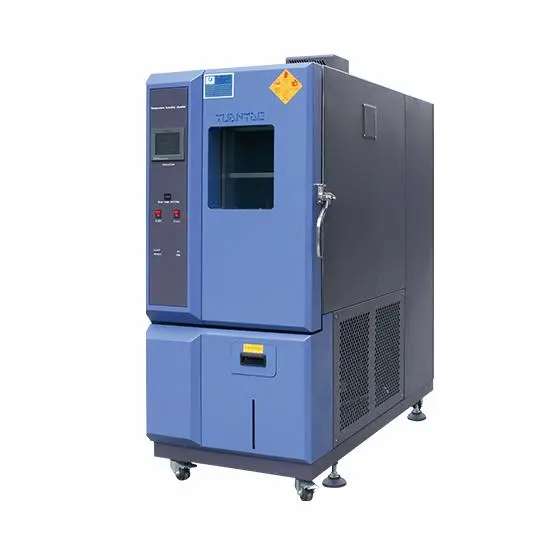
A constant temperature and humidity test chamber is a laboratory device used to create stable and controlled environmental conditions for testing materials, components, and finished products. It precisely regulates temperature and relative humidity to simulate long-term environmental exposure, ensuring product reliability and performance under varying climatic conditions.
What is the purpose of a constant temperature and humidity test chamber?
The main purpose of a constant temperature and humidity test chamber is to evaluate how products respond to controlled environmental stress. It is widely used for quality control, reliability testing, and product development to assess durability, aging characteristics, and stability under different temperature and humidity conditions.
What industries use constant temperature and humidity test chambers?
These chambers are widely used in electronics, automotive, aerospace, pharmaceuticals, plastics, coatings, and materials research industries. They are essential for testing components such as semiconductors, batteries, packaging materials, and industrial products to ensure consistent performance in real-world environments.
What causes temperature and humidity fluctuations in a test chamber?
Fluctuations can be caused by factors such as frequent door opening, improper sample placement blocking airflow, insufficient chamber load, sensor miscalibration, or mechanical issues in the refrigeration or humidification system. Regular maintenance and proper operation help minimize these variations.
How do you maintain a constant temperature and humidity test chamber?
Maintenance includes regular cleaning of the chamber interior, checking and calibrating sensors, inspecting refrigeration and humidification systems, ensuring proper water supply quality, and verifying airflow circulation. Following the manufacturer’s maintenance schedule is essential to maintain accuracy, stability, and long-term performance.

 English