+86-13532971605

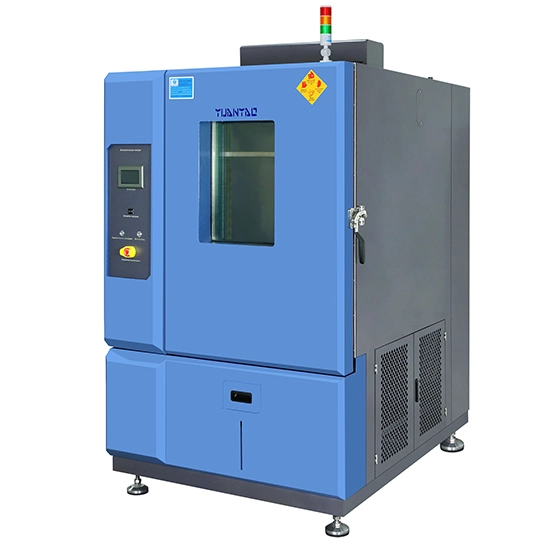
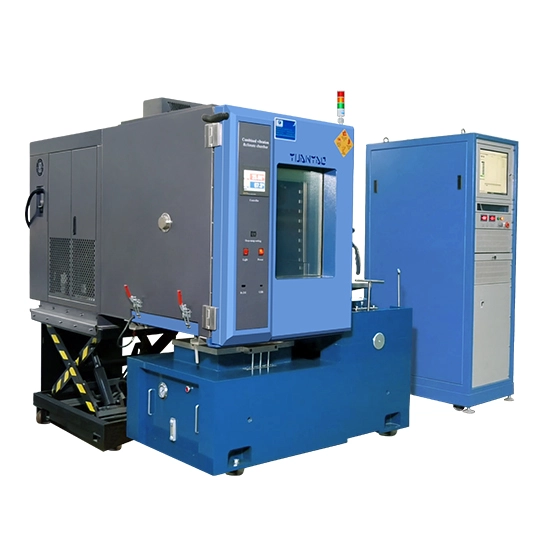
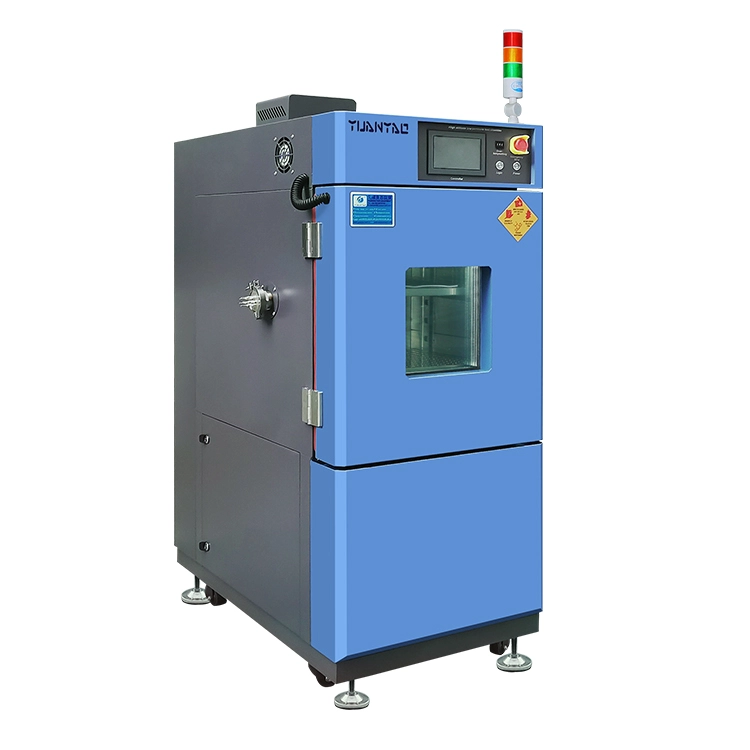
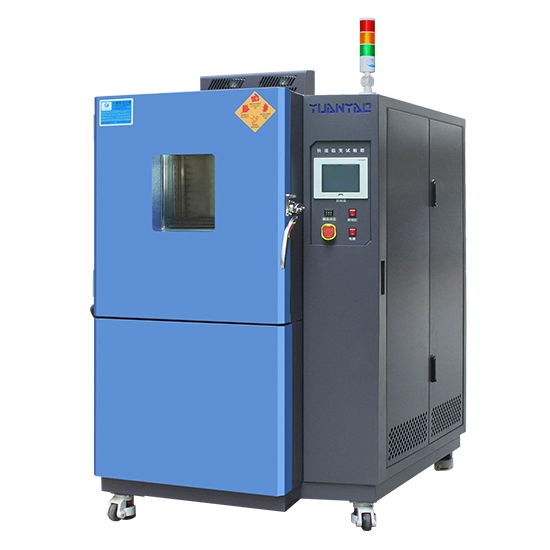
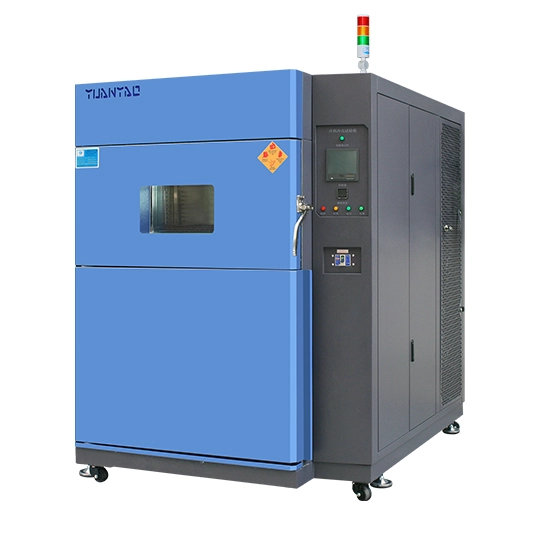
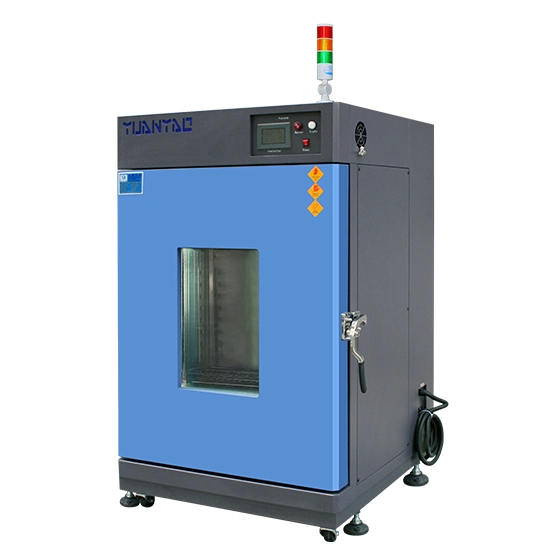
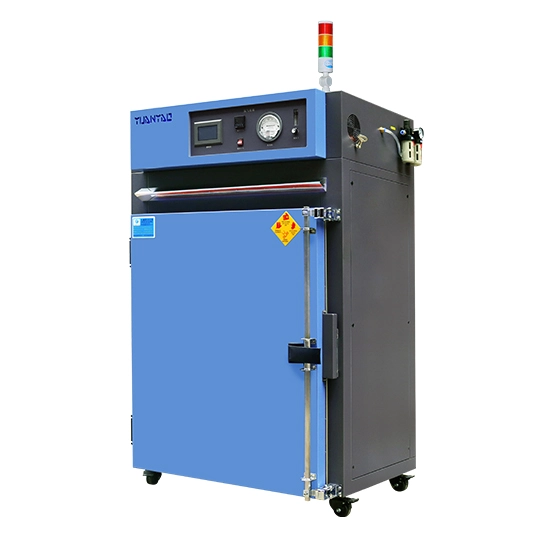
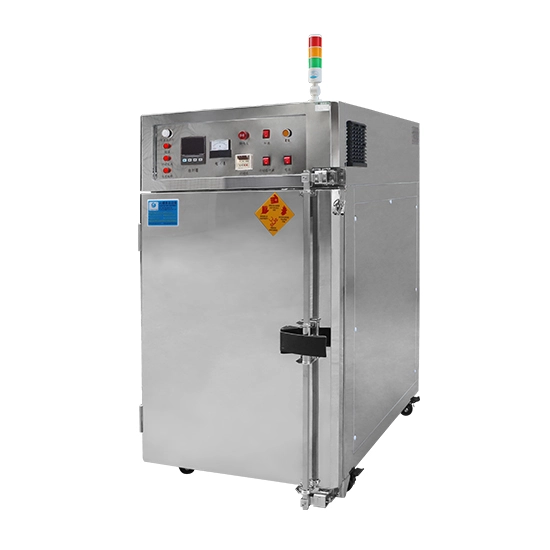
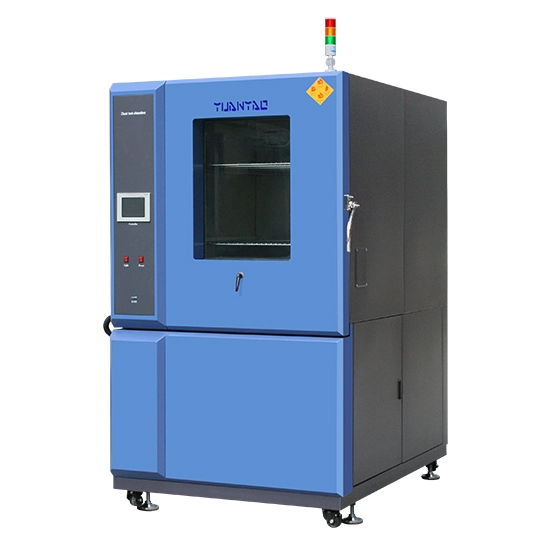
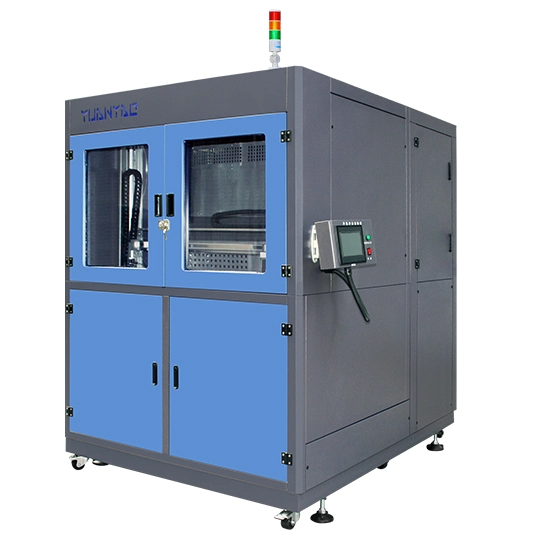
Temperature shock chambers can quickly switch between high and low temperature environments, making materials undergo drastic changes under extreme temperature conditions, thereby revealing the weaknesses of materials in actual use environments. By simulating sudden temperature changes in the laboratory, researchers can observe changes in the physical and chemical properties of materials, such as cracking, embrittlement, dimensional deformation, and a decline in elasticity. For products such as plastics, rubber, composites, and electronic components, temperature shock test can not only predict service life but also provide a basis for material modification and formula optimization. This equipment precisely controls the rate of temperature change and the number of cycles, ensuring that the data from each experiment is repeatable and scientific, providing reliable support for material development.
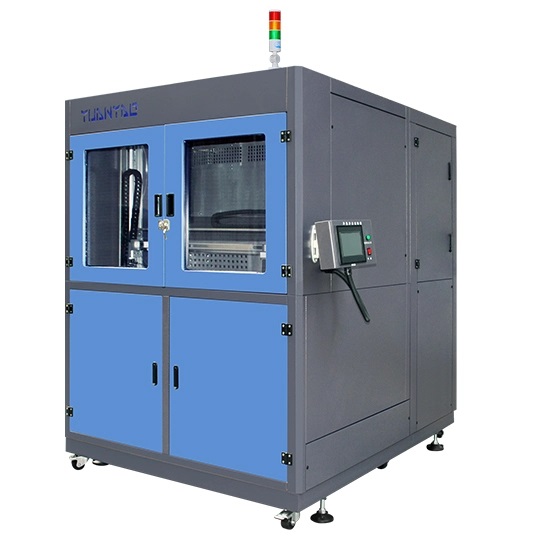
In temperature shock chambers, materials experience repeated high and low-temperature cycles, which easily expose parts with insufficient heat and cold resistance. For example, plastics may become brittle in rapidly low temperatures, potentially softening or expanding in high temperatures; rubber materials may lose elasticity and develop cracks under sudden temperature changes. By observing these phenomena and analyzing the data, the research team can determine which components or structures in the material cause performance degradation, and then adjust the formula accordingly to increase anti-aging and temperature resistance components, thereby improving the overall quality of the material. Temperature shock chambers provide a controlled, standardized testing environment for experiments, making the optimization process scientific and quantifiable.
Optimizing material formulas requires experimental data as a guiding basis. Using temperature shock chamber, researchers can test the impact of different additives, fillers, or modifiers on the heat resistance, cold resistance, and crack resistance of materials. Comparing the performance changes of different formulations after high and low-temperature cycles, such as dimensional stability, elasticity recovery ability, and surface integrity, can help determine the optimal material combination. Temperature shock chambers enable precise simulation of different temperature gradients and shock rates through adjustable temperature zones and cycle control, making the experimental results closer to actual use environments, and providing direct evidence for material optimization.
In the production and quality control stages, temperature shock chambers also play a crucial role. Conducting temperature shock tests on batches of materials or products can timely identify potential issues in formulas or processing techniques, preventing cracking, deformation, or functional failures in actual use. Through systematic experimental data, companies can establish scientific material performance standards and testing procedures, improving product consistency and reliability. Temperature shock chambers can validate the effects of formula optimizations and ensure that products maintain stable performance in extreme environments.
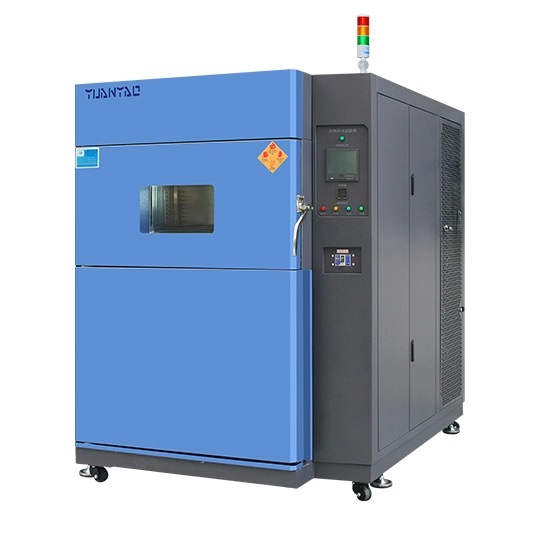
The experimental data provided by temperature shock chambers is highly referenceable. Through quantitative analysis of performance changes, the research team can clearly define the direction of material modification. For instance, by measuring dimensional changes, crack occurrence rates, and the degree of elastic decline, the temperature shock resistant capabilities of different formulas can be accurately assessed. Adjusting formulas based on these data can effectively enhance the heat and cold resistance of materials, reduce the risk of cracking and deformation, and improve their reliability and service life in practical applications. Therefore, temperature shock chambers have become an indispensable important tool in material development and performance optimization.

 English