+86-13532971605

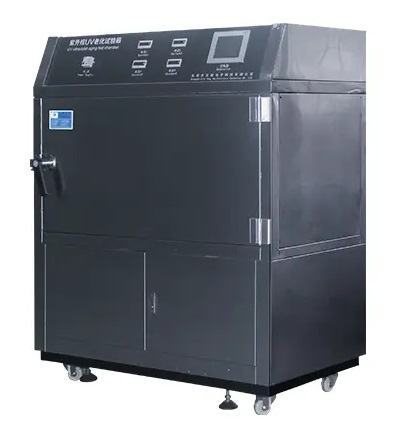
The ultraviolet aging test is a method for evaluating the performance of new materials under UV exposure, typically conducted in a laboratory using a UV-accelerated aging chamber. Within just a few weeks or months, the UV aging test can provide reproducible and reliable aging test data; its short-wavelength UV light exposure and condensation cycle system can realistically simulate the damaging effects of sunlight, dew, and rain on materials.
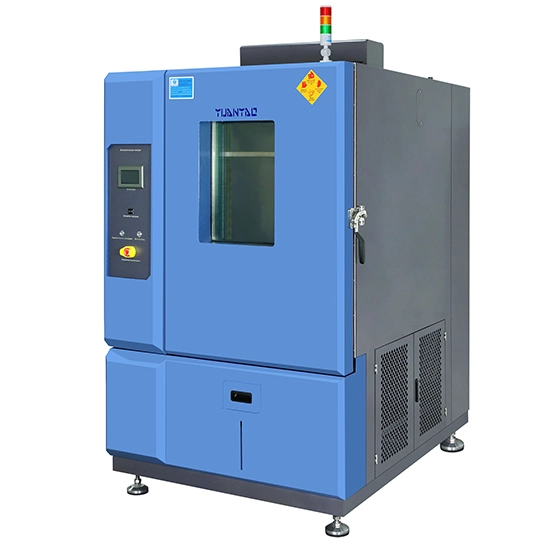
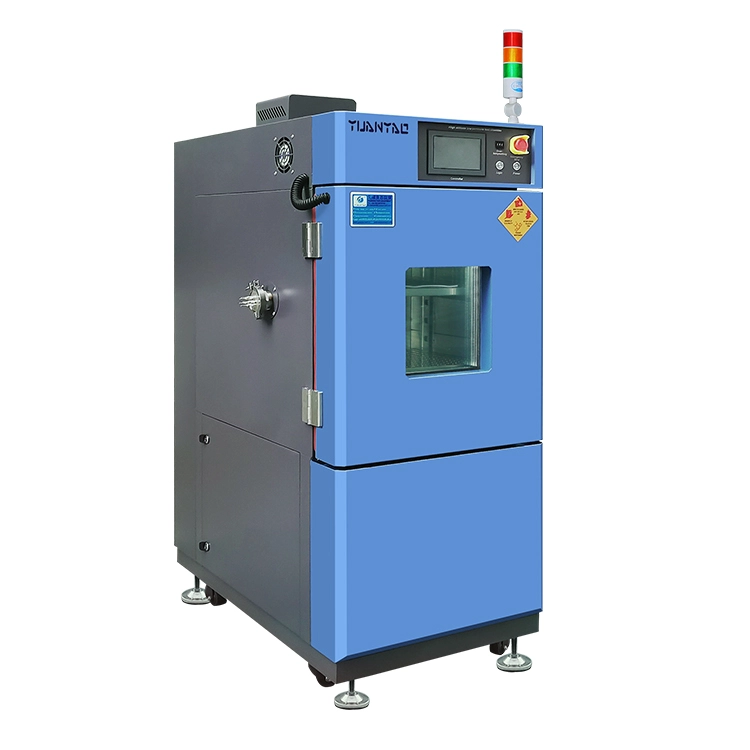
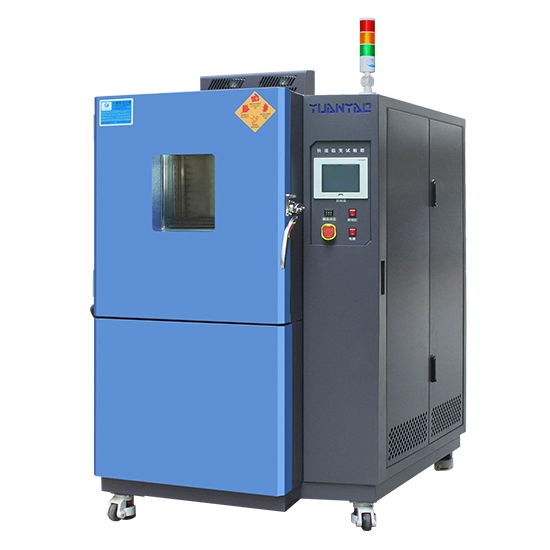
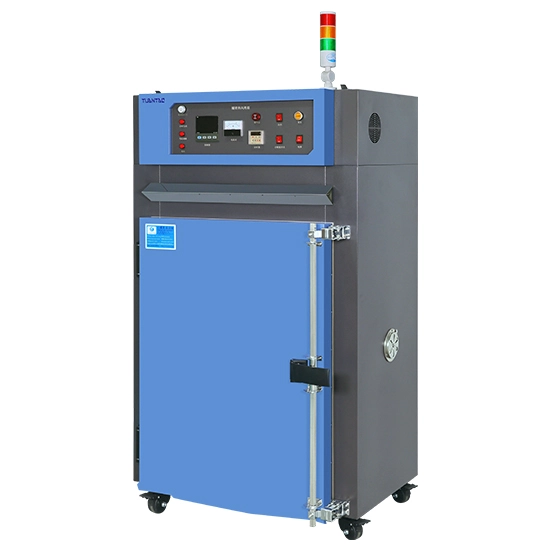
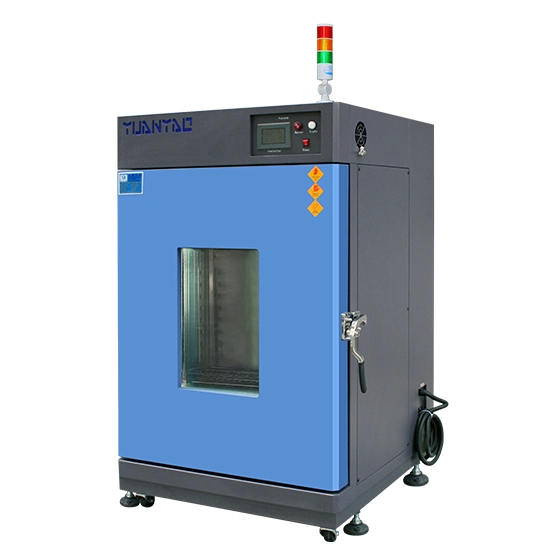
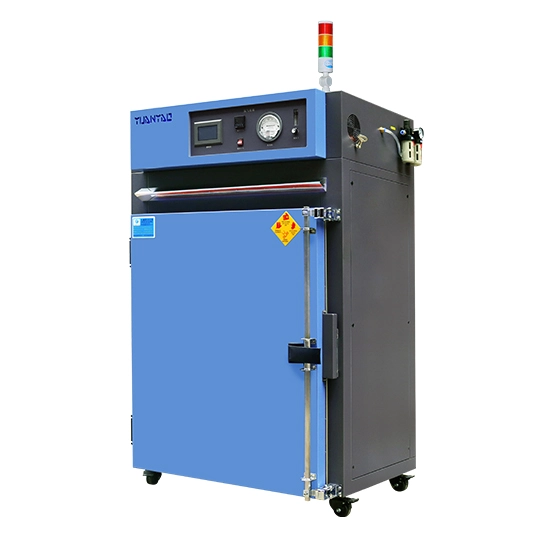
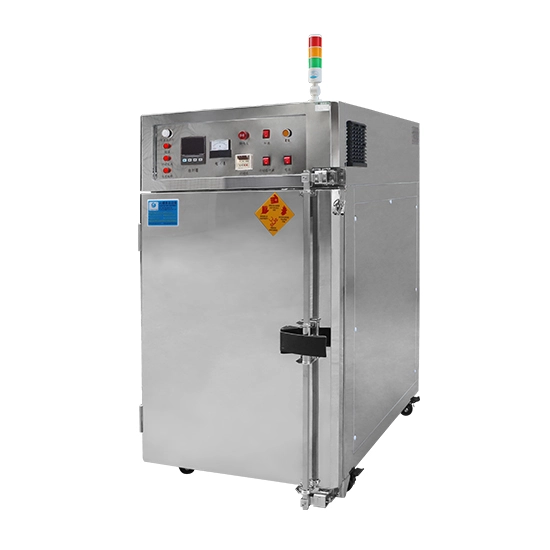
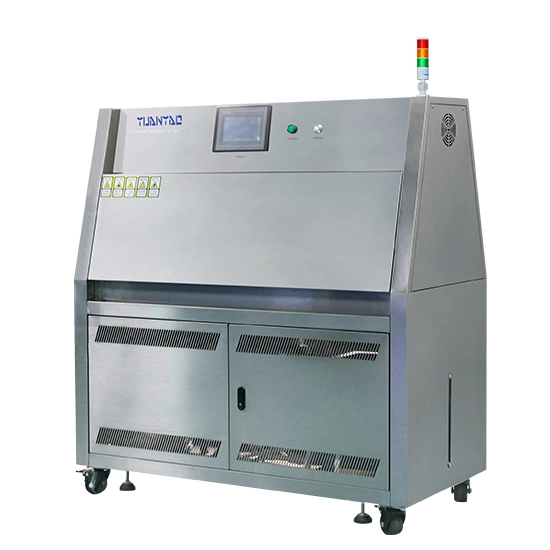
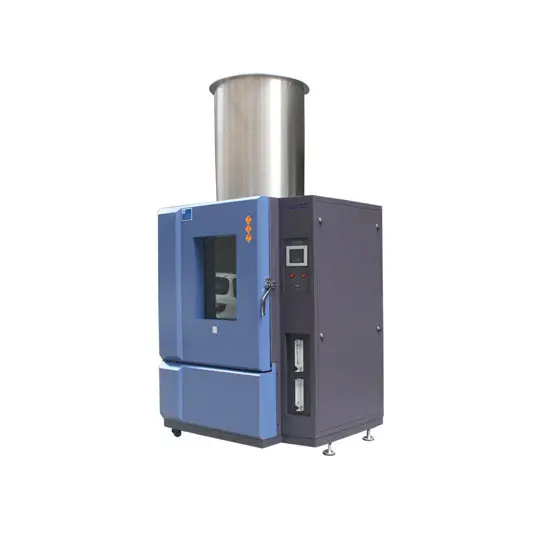
UV accelerated aging test chamber is an aging test equipment that simulates light exposure, specifically designed to simulate the long-term outdoor placement of products. The destructive effects of UV rays from the sun on products can be achieved in just a few days or weeks, replicating the damage that would take months or years outdoors. It checks for phenomena such as fading, discoloration, brightness reduction, chalking, cracking, blurring, embrittlement, strength reduction, and oxidation, and can also replicate damage caused by rain and dew.
UV aging test chamber conducts tests by exposing samples to controlled cycles of sunlight and moisture while increasing the temperature. (It uses UV fluorescent lamps to simulate sunlight and can also simulate moisture effects through condensation or spray.)
Determine the aging resistance of materials under UV exposure.
Simulate the aging process of outdoor materials in a natural environment, accelerating tests to predict product durability in actual use.
Assist in screening and optimizing materials and formulations.
UV lamps: The core component of test equipment, common types include UVA-340, UVA-351, and UVB-313.
Test chamber: Used to place materials under test, providing a stable temperature and humidity environment and UV exposure conditions.
Control system: Allows precise setting and monitoring of various parameters during the test, such as light exposure time, darkness time, temperature, humidity, lamp type, and irradiation intensity, ensuring test accuracy and repeatability.
Sample rack: Used to fix and place samples under test, ensuring they are evenly exposed to UV light and other environmental factors during testing.
UVA 340: Plastic, simulates outdoor natural aging, and is the most commonly used lamp.
UVA-351 lamps: Plastic, simulates aging of sunlight through window glass.
UVB-313 lamps: Standard operating procedure, the most stringent conditions, best for QC and R&D, recommended for durability testing of materials such as roofing materials or exterior coatings. For applications that require lamp-based simulation, a UV lamp aging test chamber can help create controlled UV exposure conditions.
UV aging test is widely used in almost all industries with durability requirements, including but not limited to:
Rubber and plastics: automotive parts, outdoor furniture, wires and cables, packaging materials, etc.
Paints and coatings: automotive paints, architectural coatings, industrial coatings, etc.
Textiles and dyes: outdoor apparel, decorative fabrics, etc.
Printing and packaging: labels, outdoor advertisements, etc.
Adhesives, cosmetics, electronic plating parts, etc.
For products exposed to sunlight, outdoor humidity, dew, and rain, a UV weathering chamber helps manufacturers understand the performance and lifespan of products in actual use environments, providing more accurate weather resistance predictions, thereby improving product quality and market competitiveness.
UV accelerated aging tests simulate the aging process of natural climates by exposing samples to a controlled environment of UV light, temperature, and humidity cycles (such as condensation or high humidity conditions), allowing the observation of material aging in weeks instead of years.
UV aging is conducted in a laboratory, with a controlled environment, fast test speed, and stable results; natural climate aging is conducted in an outdoor environment, with a longer cycle, but is closer to real usage conditions.
The test helps manufacturers predict product lifespan, optimize material formulations, ensure products meet quality standards, and reduce the risk of premature failure in actual use.

 English