+86-13532971605

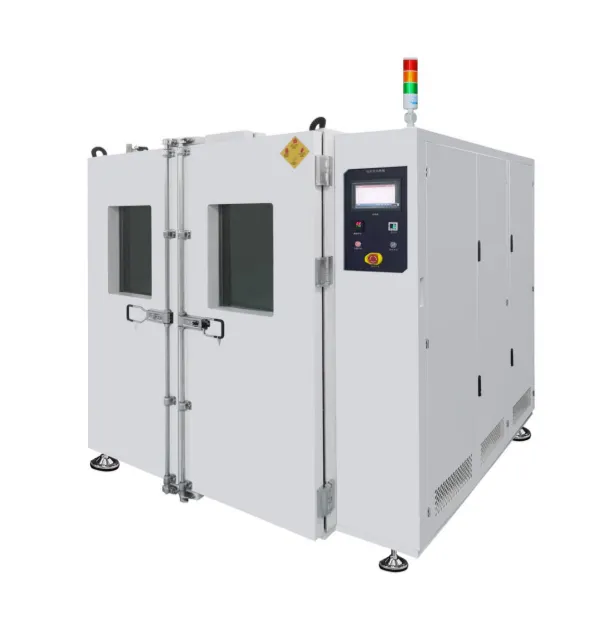
Residual moisture trapped inside cold-plate internal channels is a silent failure source for thermal management hardware. Even minor residual water can trigger corrosion, bubbling, performance drift and premature product failure, especially for high-end AI-module liquid-cooled cold plates that demand ultra-high reliability. Our vacuum drying system delivers low-temperature deep dehydration, protecting aluminium-copper substrates and brazed joints while fitting inline mass-production workflows, with traceable data logging options for quality compliance.
The boom of high-power AI servers, high-performance computing and new-energy power electronics has greatly raised the bar for liquid-cooled cold-plate performance and reliability. AI compute modules generate extreme heat flux, requiring cold plates to maintain stable long-term heat-dissipation capability under continuous heavy-load operation.
During cold-plate manufacturing processes such as brazing, cleaning and hydraulic testing, water or cleaning solvent may remain trapped within micro-channels, crevices and brazed seams. Conventional hot-air oven drying faces obvious drawbacks: high-temperature heating risks substrate deformation, oxidation of aluminium-copper base materials, and thermal stress damage to precision brazed joints. Uneven air circulation also leaves residual moisture hidden in narrow internal flow paths.
Over service life, hidden residual moisture causes progressive issues: internal corrosion of flow channels, local bubble generation inside cooling loops, thermal resistance rise, and even leakage risks. For mission-critical AI-module cold plates used in data centres, such hidden defects will lead to unpredictable downtime and huge economic losses. Therefore, thorough, low-damage dehydration has become an indispensable core process for high-quality cold-plate production.
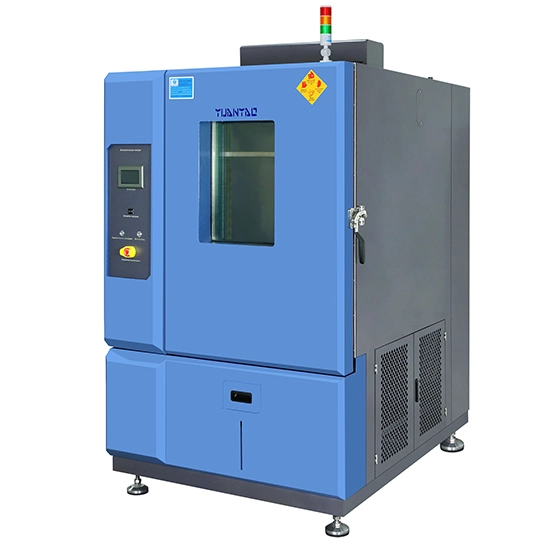
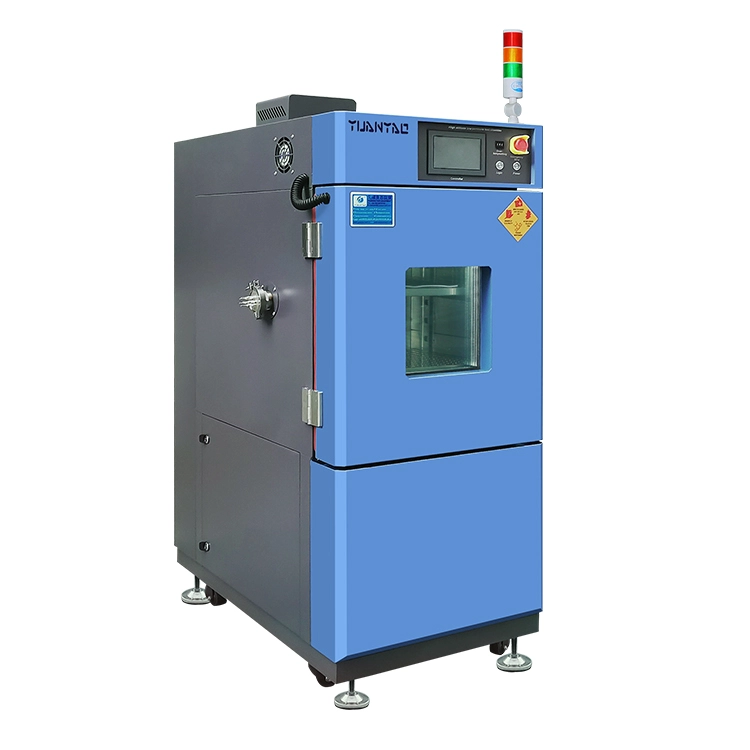
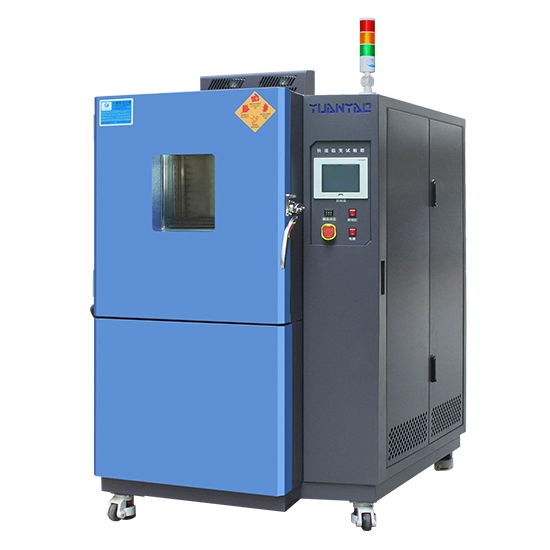
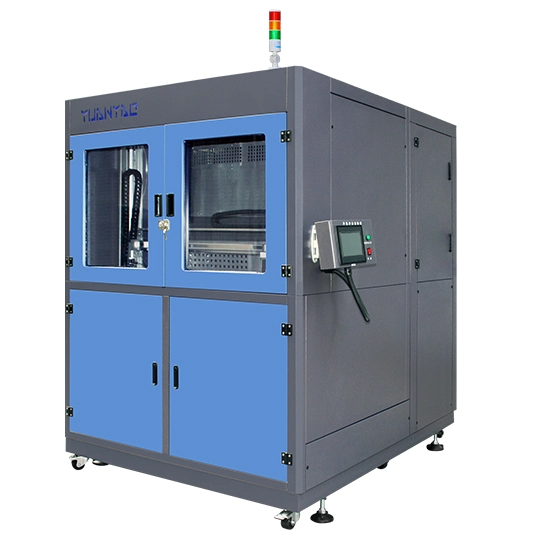
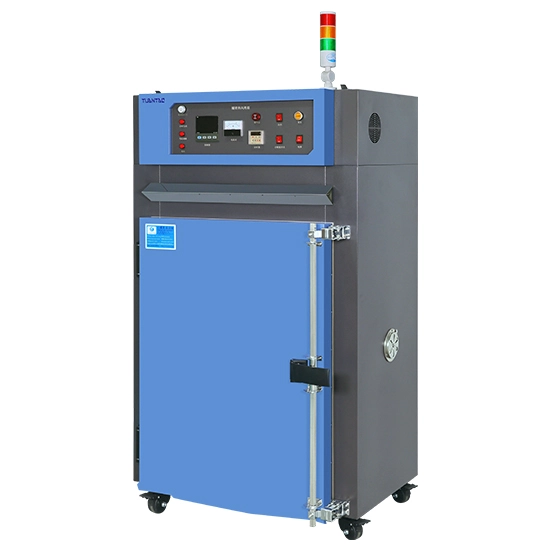
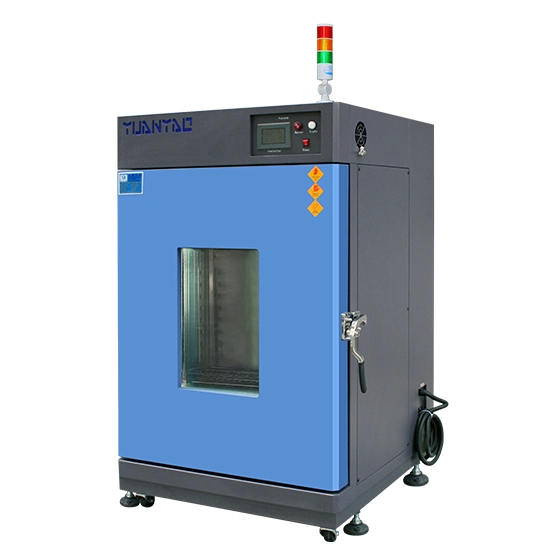
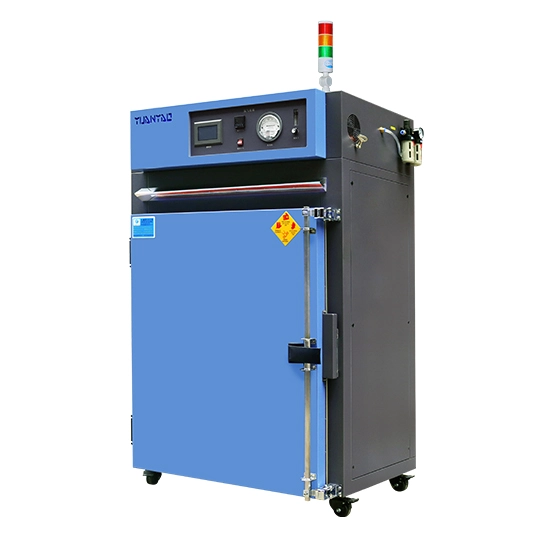
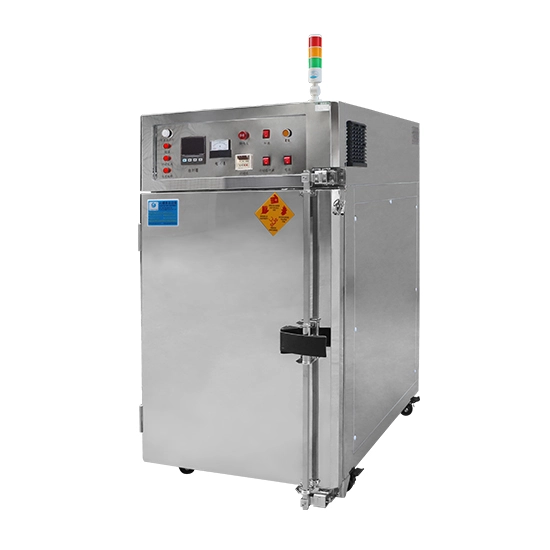
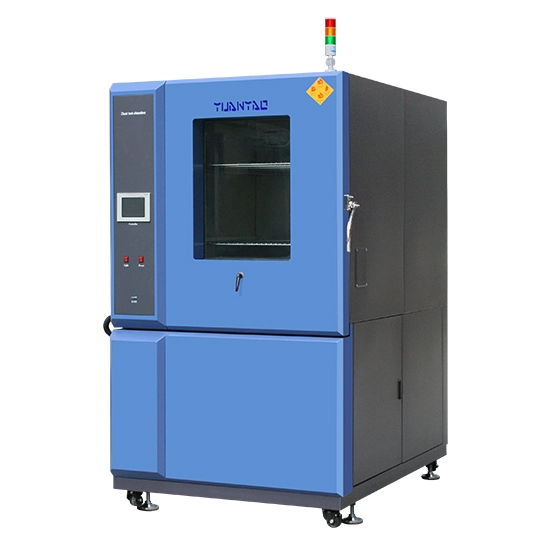
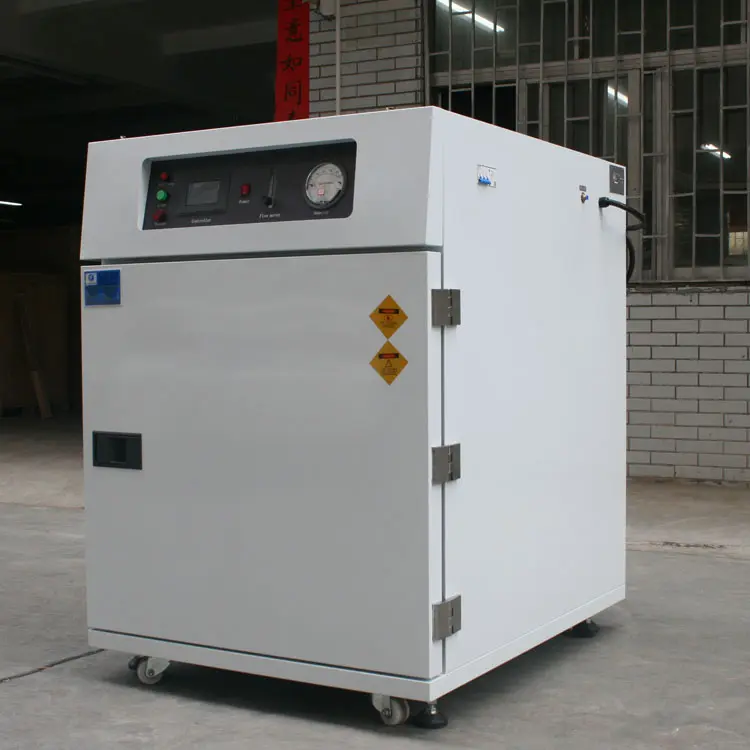
Our vacuum drying solution is purpose-built for liquid-cooled cold-plate mass production. It achieves deep moisture removal under mild-temperature vacuum conditions, solving the trade-off dilemma between sufficient dehydration and component thermal damage seen in traditional thermal drying processes.
Deep-level moisture removal under mild vacuum conditions Under vacuum environment, water and residual solvent evaporate at significantly lower boiling points. It thoroughly draws out trapped moisture from intricate internal micro-channels, blind holes and brazed gaps, without relying on excessive high-temperature baking. Eliminates hidden residual liquid that hot-air drying cannot fully remove.
Protect aluminium / copper substrates and brazed seams Working at mild process temperatures effectively avoids thermal deformation of thin-wall aluminium-copper cold-plate substrates. It suppresses surface oxidation and discoloration of base metals, and prevents thermal-stress cracking or micro-crack expansion on precision brazed seams. Preserves mechanical integrity and flatness for high-density AI-module cold plates with strict dimensional tolerances.
Optimised for cold-plate mass-production workflows Engineered for serial manufacturing scenarios. Flexible chamber-size customisation supports batch processing of multiple cold-plate workpieces. It can be integrated into front-to-back production lines after hydraulic pressure testing and cleaning procedures, helping factories realise streamlined cold-plate production. Suitable for small-batch R&D verification as well as large-volume data-centre component manufacturing.
Optional data-logging function for full quality traceability Optional built-in data-acquisition module continuously records vacuum degree, temperature curve, holding duration and equipment status for every drying batch. Process records can be exported or connected to factory MES systems. It delivers auditable traceable records for quality management, which is critical for high-spec AI server cold-plate projects and customer-side quality audits.
1. AI-Module Liquid-Cooled Cold Plates Targeted for high-heat-flux cold plates for AI computing chips and GPU modules. Strict dehydration prevents internal corrosion and bubble-induced thermal-performance degradation, securing long-term stable operation for data-centre hardware.
2. Server & Data-Centre Cold Plates Vacuum drying for aluminium or copper cold plates of general-purpose servers, storage devices and communication power equipment, improving whole-machine cooling-system reliability.
3. New-Energy Power-Electronic Cold Plates Process cold plates for energy-storage converters, vehicle-mounted power units and inverter modules, eliminating residual-moisture-caused hidden risks.
4. R&D and prototype validation Ideal for laboratory new-product development and sample verification. Validates drying-process parameters for newly-developed cold-plate structures before mass-production launch.
In high-end thermal-management manufacturing, moisture hidden inside cold-plate channels is often overlooked yet highly destructive. Traditional high-temperature baking brings risks of substrate distortion, oxidation and brazed-joint damage. Our vacuum drying technology achieves deep dehydration under mild-temperature vacuum, balancing thorough moisture removal and component-structure protection.
Especially for demanding AI-module cold-plate products, this solution delivers stable batch-processing capability plus optional data traceability. It helps manufacturers reduce field-failure rates, meet stringent quality standards, and lay solid process foundations for high-reliability liquid-cooling component production.

 English