+86-13532971605

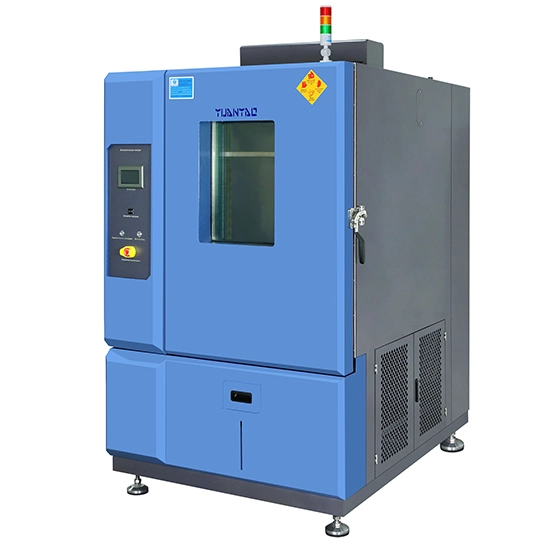
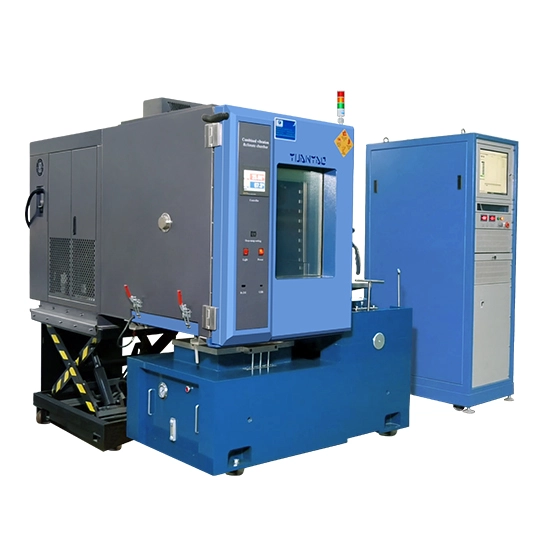
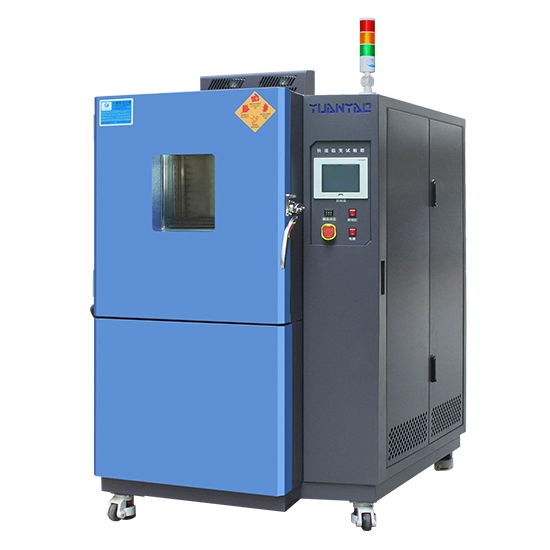
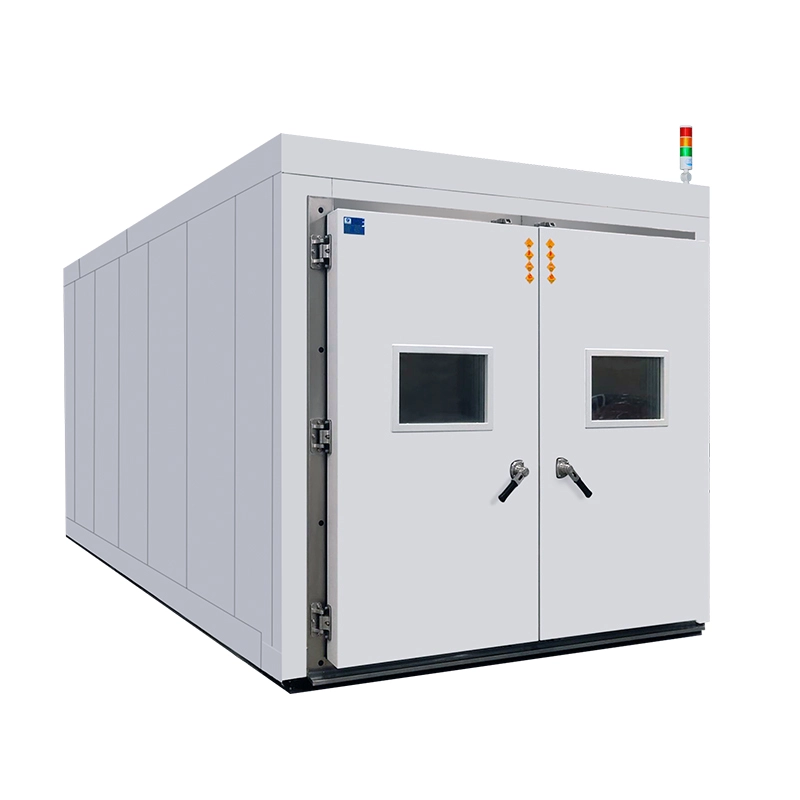
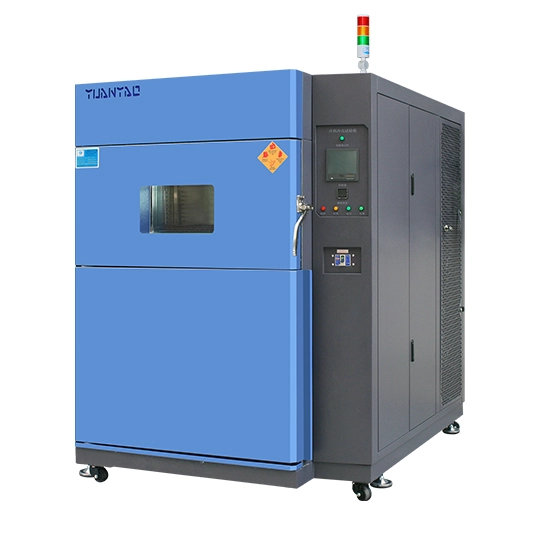
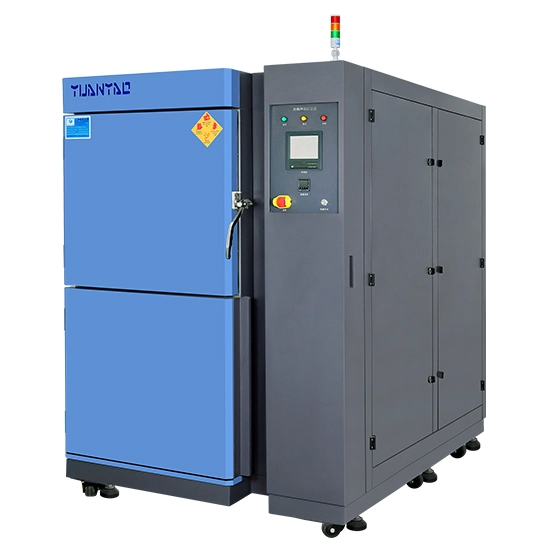
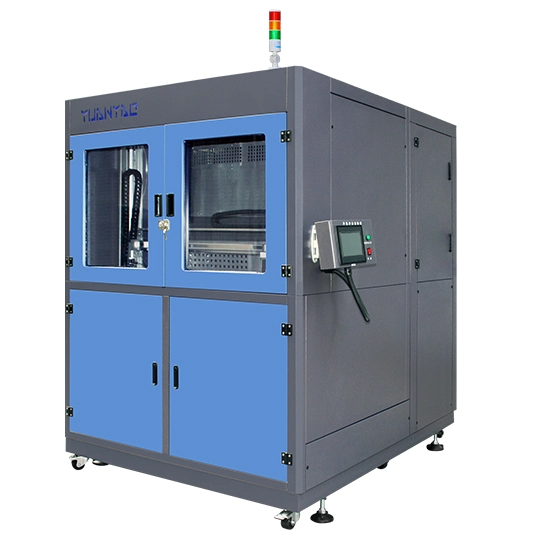
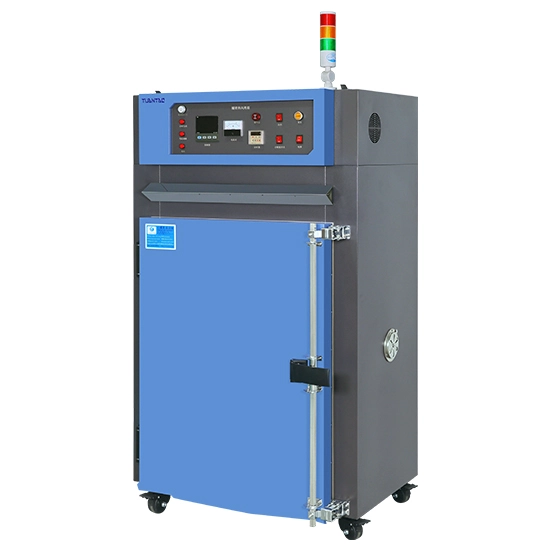
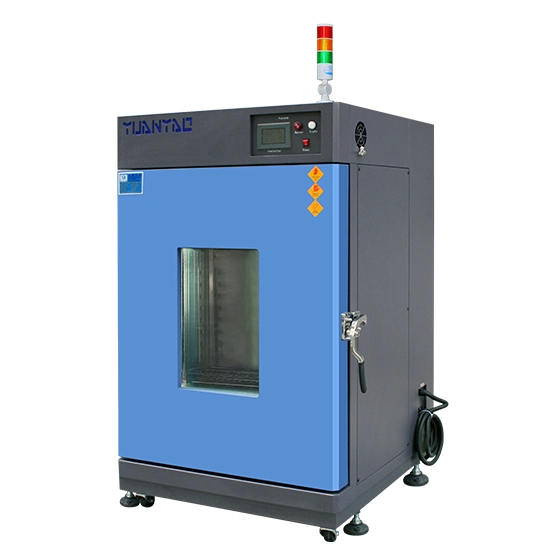
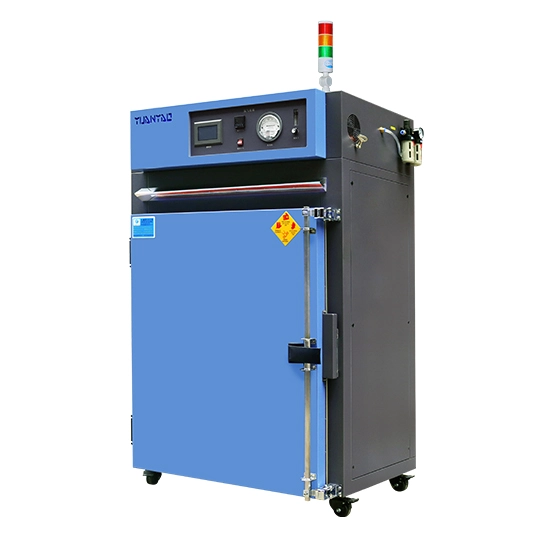
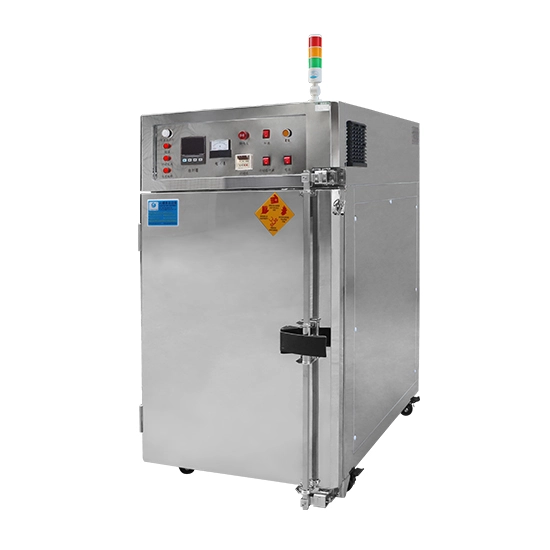
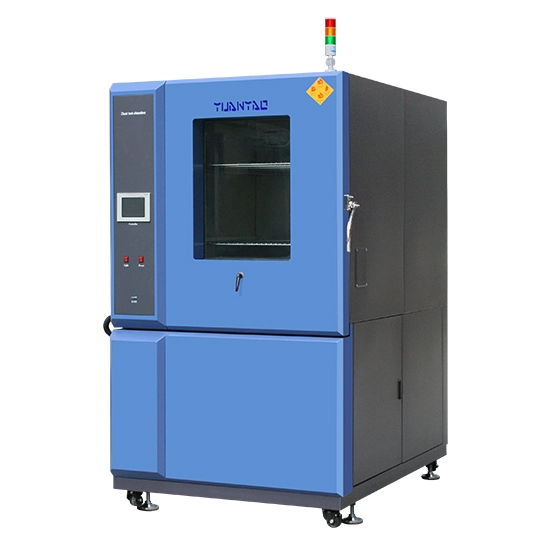
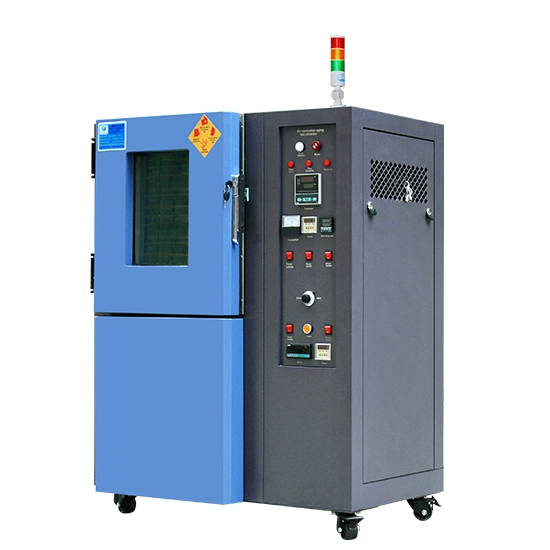
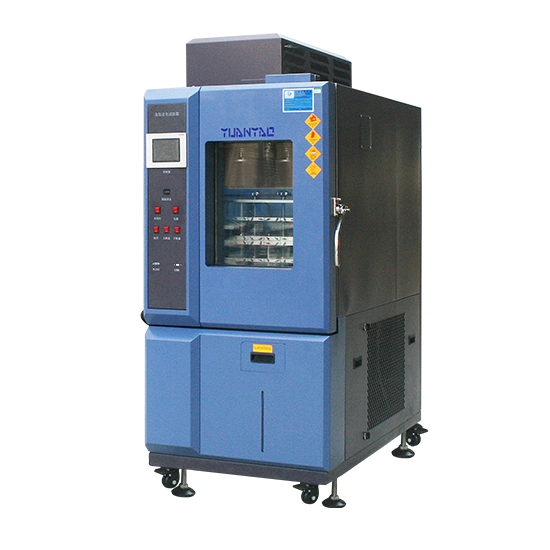
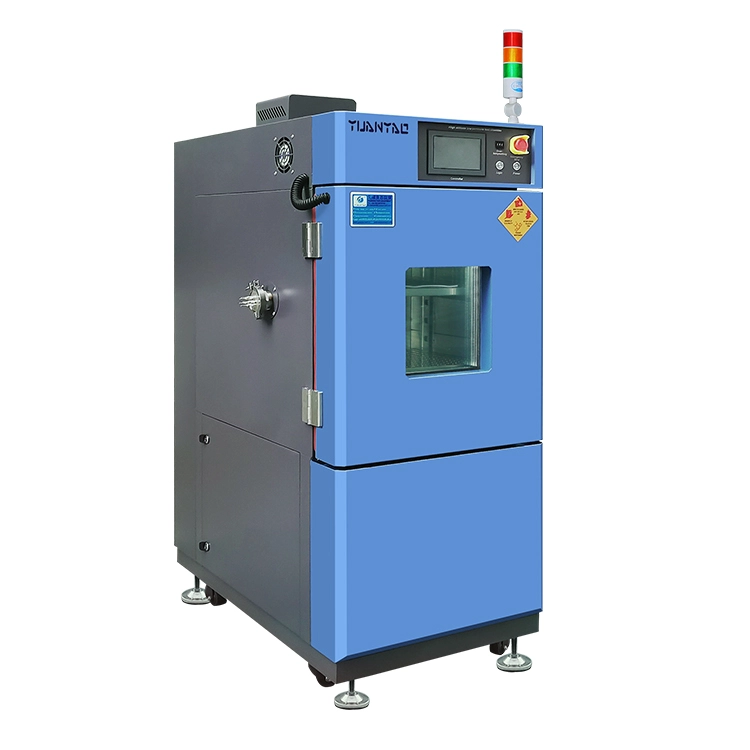
The high and low temperature test chamber is suitable for reliability testing of industrial products under high and low temperatures. This type of temperature chamber is used to test the performance indicators of components and materials of related products in fields such as electronics, automotive, aerospace, marine, and weaponry, as well as universities and research institutions, under conditions of high and low alternating temperature cycles.
A high-low temperature test chamber can achieve automated control and remote monitoring, reducing manual operation and improving work efficiency.
It covers a wide temperature range, from extremely low temperatures to extremely high temperatures, to meet the testing needs of different industries and products.
The heating and cooling systems of the high and low temperature test chamber are carefully designed, providing good stability to ensure minimal temperature fluctuation during testing.
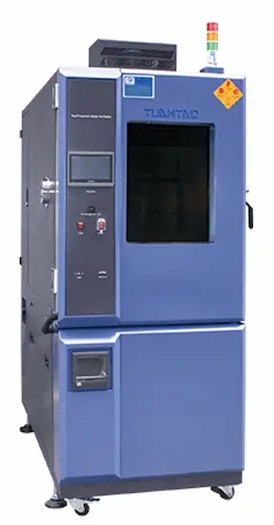
Reliability testing: Check the operational stability of electronic products (such as chips, circuit boards, batteries, displays) under high, low, or rapid temperature changes to prevent failures due to temperature fluctuations (such as short circuits, component aging).
Life assessment: Simulate long-term temperature cycles to accelerate the aging process and predict product life.
Environmental adaptability: Verify the performance of equipment under extreme climates (such as extreme cold or desert heat).
Typical application products: Smartphones, new energy vehicle batteries, photovoltaic inverters, household appliances, etc.
Component testing: Evaluate the durability of engine components, seals, tires, sensors, etc., under high temperatures, such as summer exposure, or low temperatures, such as cold start. For high-temperature reliability verification, a high-temperature test chamber can help simulate demanding thermal conditions.
Whole vehicle testing: Simulate different climate conditions to test whether electronic systems and materials, such as plastics and rubber, inside the car deform, crack, or fail.
Special tests for new energy vehicles: Test the safety and efficiency of battery packs and charging piles in high and low-temperature environments.
Extreme environment simulation: Satellite and spacecraft components need to be tested in space, low temperatures, or re-entry, high temperatures. In these applications, low-temperature test chambers help verify whether components can maintain stable performance under extreme cold conditions.
Weapon equipment reliability: Ensure military equipment operates normally under harsh conditions, such as deserts or polar regions.
Drug stability testing: Evaluate the effectiveness of drugs and vaccines under different temperature storage conditions (such as cold chain transportation verification).
Medical device testing: Performance changes of surgical instruments and implant materials under temperature variations.
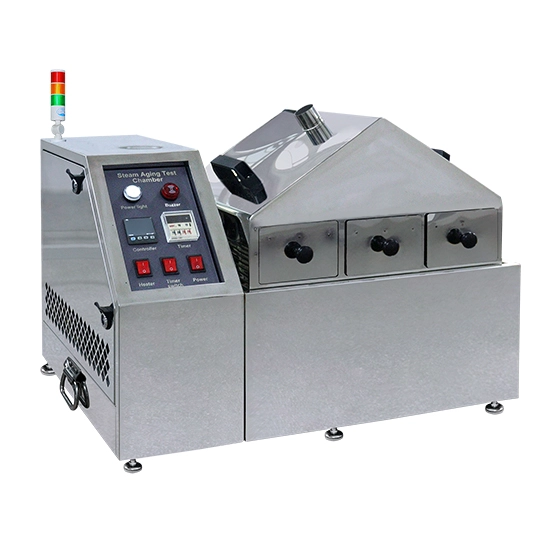
Conduct accelerated aging tests through accelerated aging test chambers to expose component design defects in advance (such as cold solder joints, material mismatch), shortening the product development cycle.
Simulate different global climate conditions to ensure photovoltaic products are applicable worldwide.
Quality Control and Cost Savings
Avoid batch failures due to material or process issues, reducing after-sales maintenance costs.
The device controls the internal temperature through heating and cooling systems. It can switch between high and low temperatures to test product durability.
A constant temperature test chamber maintains a constant temperature during testing. A temperature cycling test chamber repeatedly changes the temperature to test material stress.
Consider the temperature range, chamber size, and testing needs. Also, pay attention to whether it meets relevant standards and equipment performance.

 English