+86-13532971605

In environmental reliability testing, climate test chambers are a widely used type of equipment, but selecting the right model can be challenging. Faced with different models, configurations, and technical parameters, many users often find the selection process complex and even confusing.
To help users better understand the core functions of climate test chambers and smoothly complete equipment selection, we have compiled this practical guide for selecting climate test chambers, systematically organizing the key factors that need attention during the selection process to help users make efficient judgments.
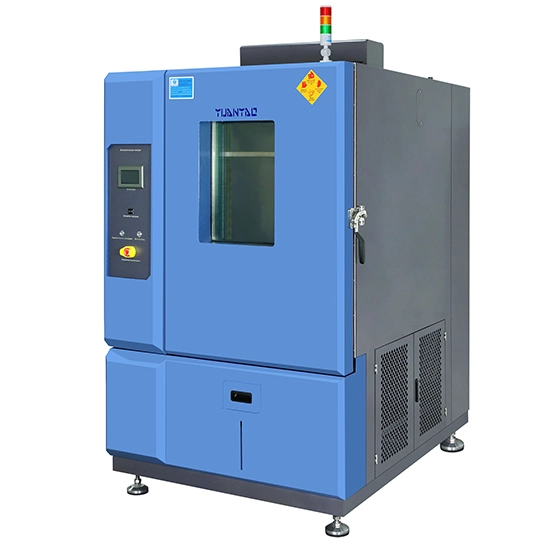
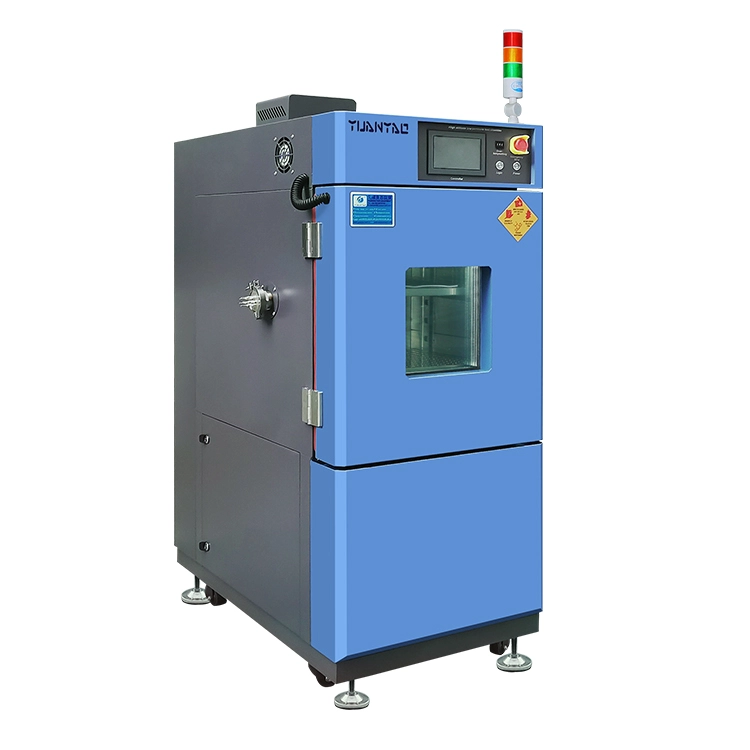
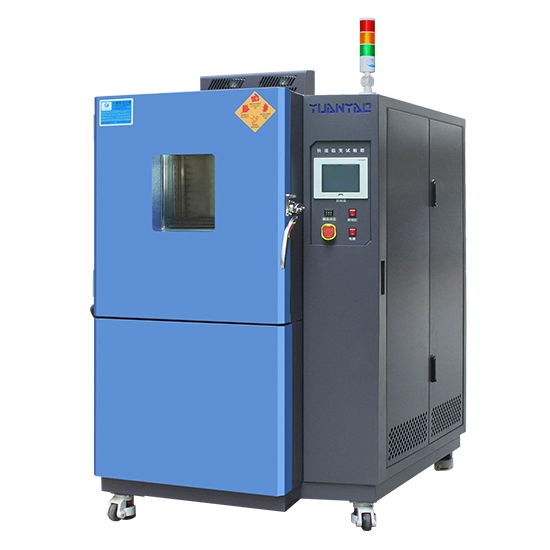
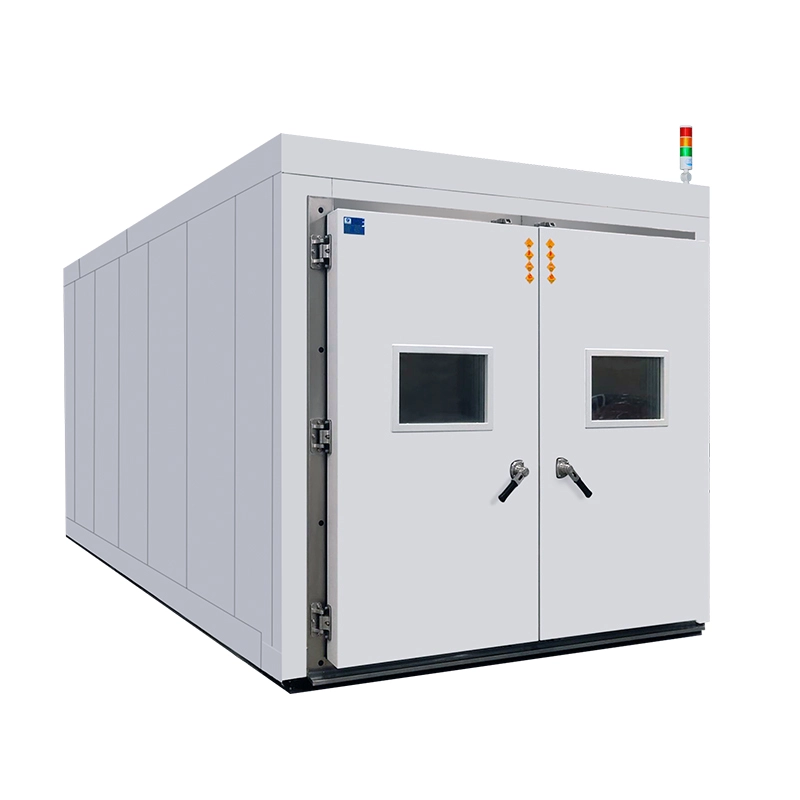
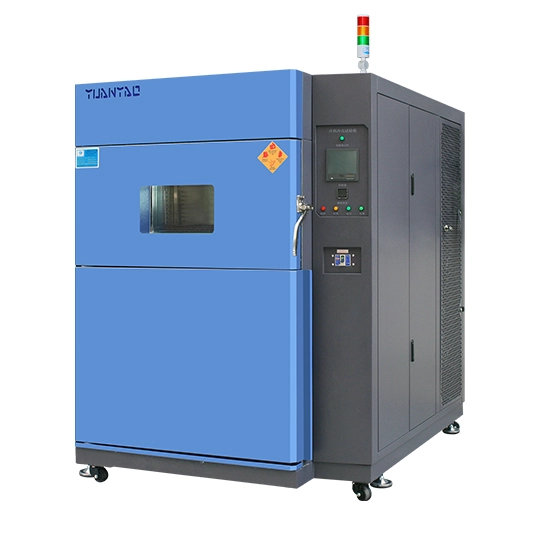
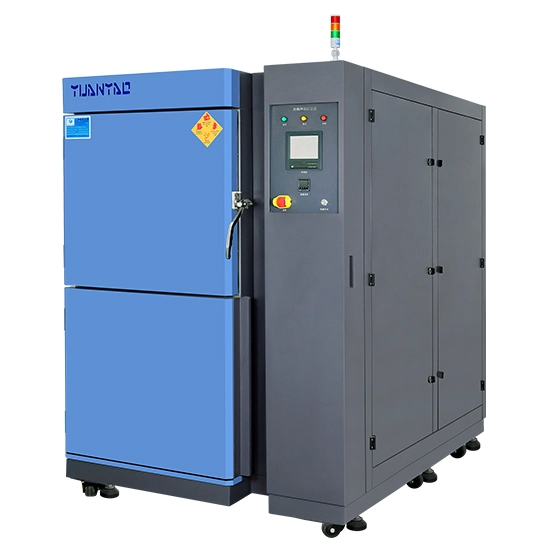
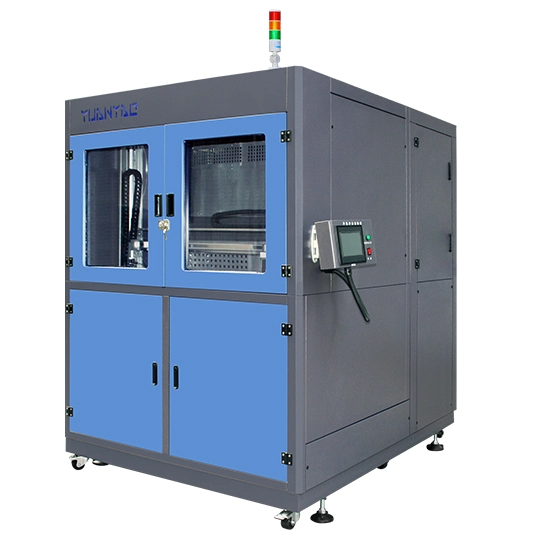
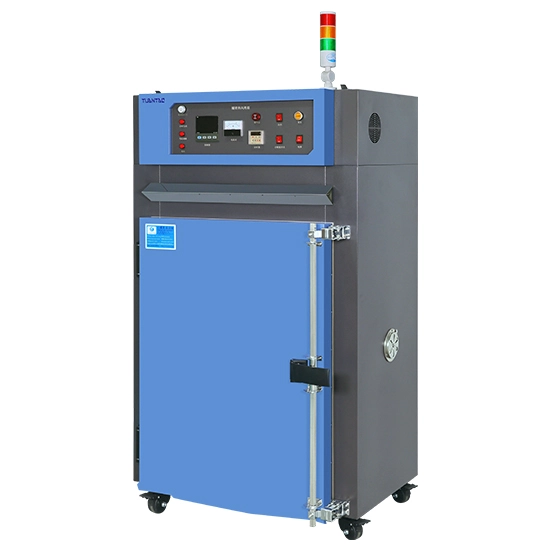
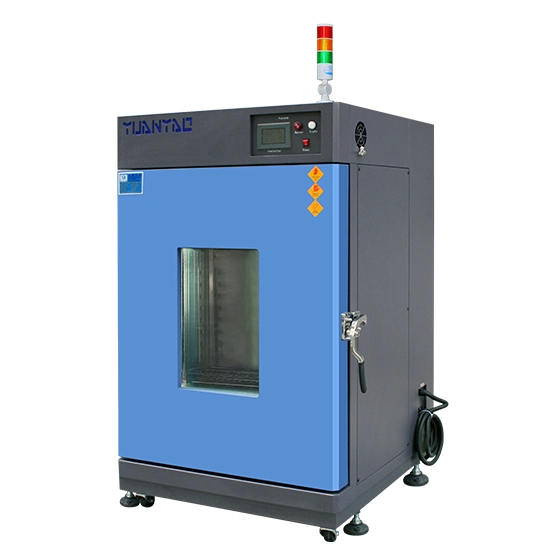
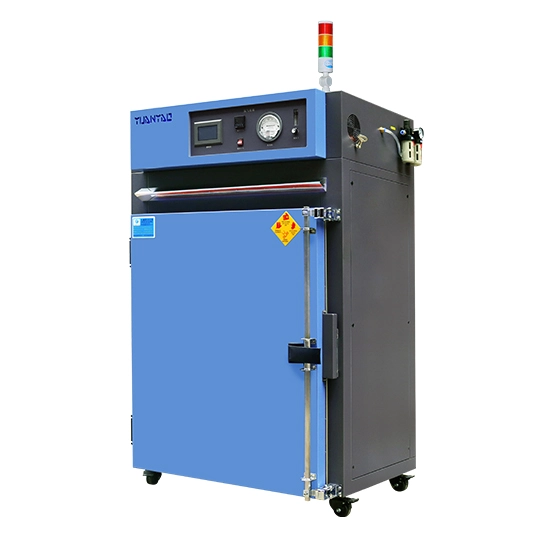
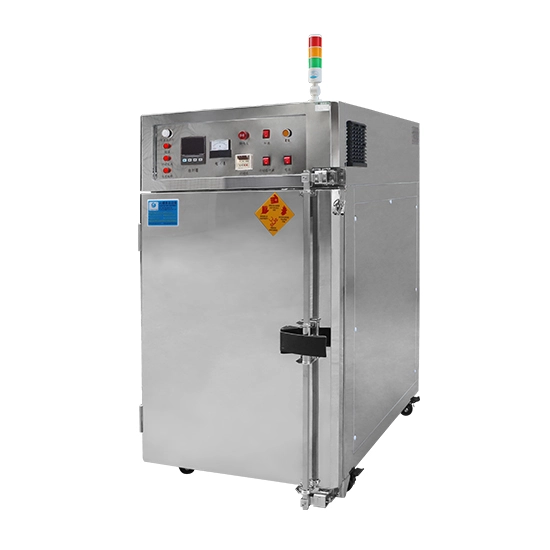
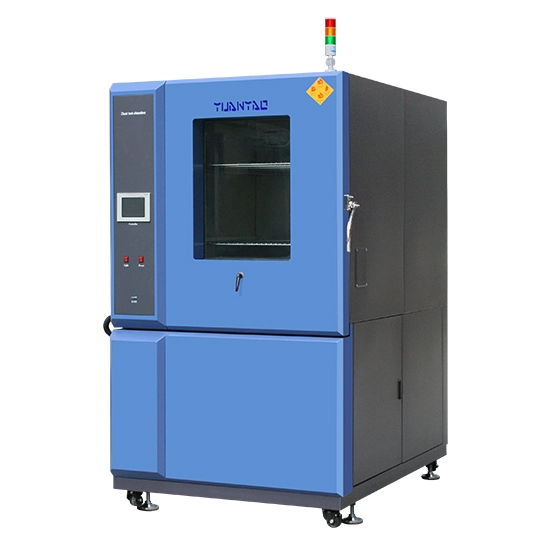
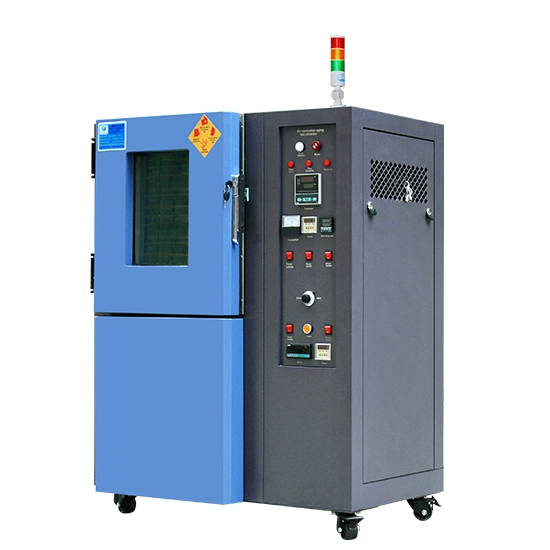
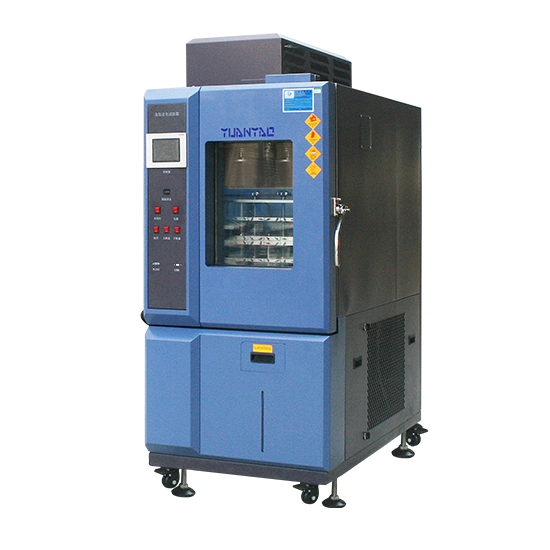
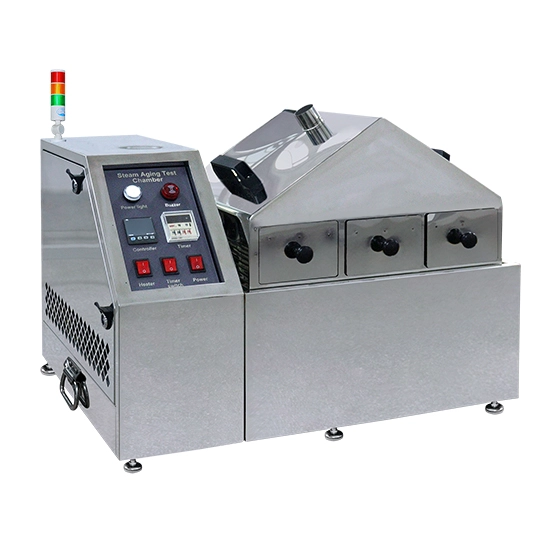
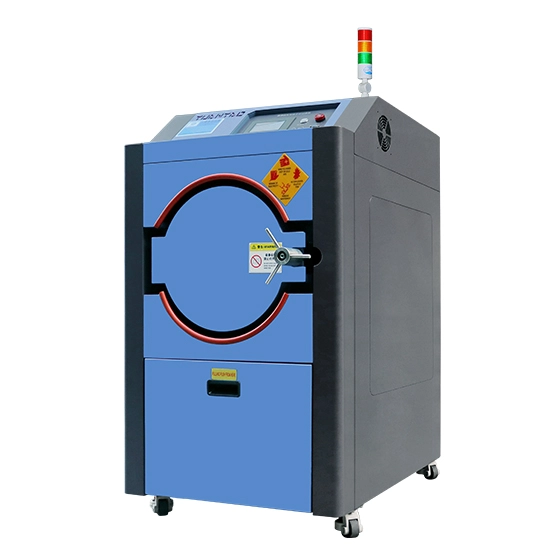
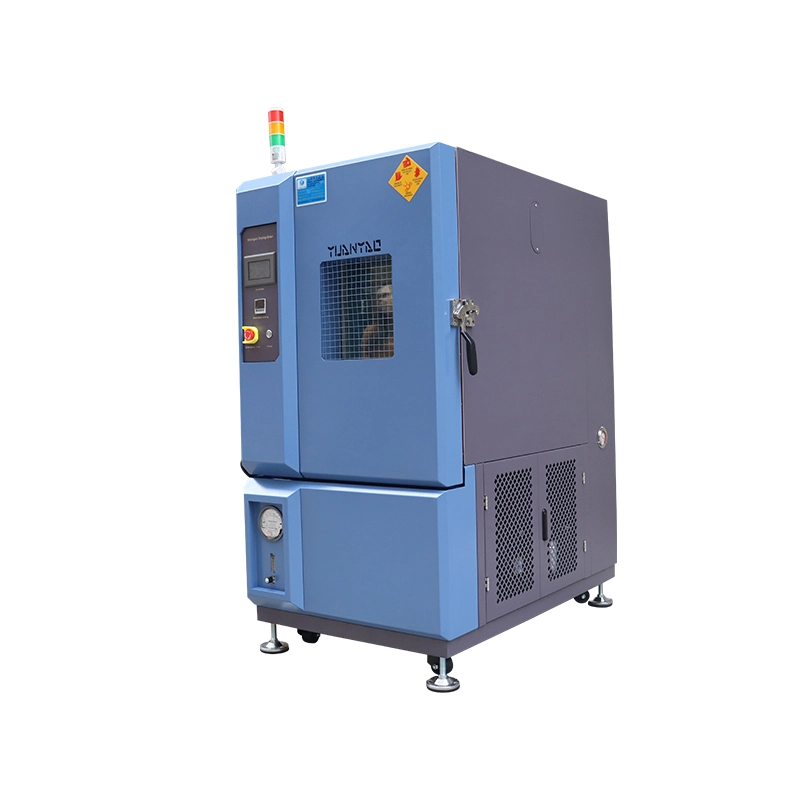
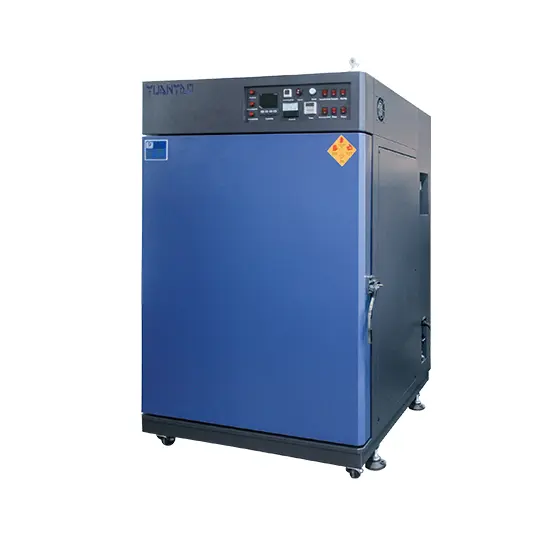
A climate test chamber is a specialized piece of equipment designed to simulate controlled environmental conditions such as temperature and humidity to evaluate the performance, durability, and reliability of materials, components, and products. Widely used in industries like electronics, automotive, and aerospace, temperature and humidity chambers help ensure products can withstand extreme or fluctuating climates. As a professional climatic chamber manufacturer, Yuanyao provides advanced solutions with precise control systems, uniform environmental distribution, and reliable operation. These chambers play a critical role in quality assurance, product development, and compliance with international testing standards.
Mastering basic knowledge can greatly simplify the difficulty of selection. From experience, climate test chamber selection should start with two basic elements:
Characteristics of the test sample (DUT)
Types of tests the sample needs to undergo
When selecting, temperature and humidity test chambers can usually meet various environmental stress testing needs, such as constant temperature, constant humidity, and temperature change, making them the first choice for most electronics, materials, and component testing.
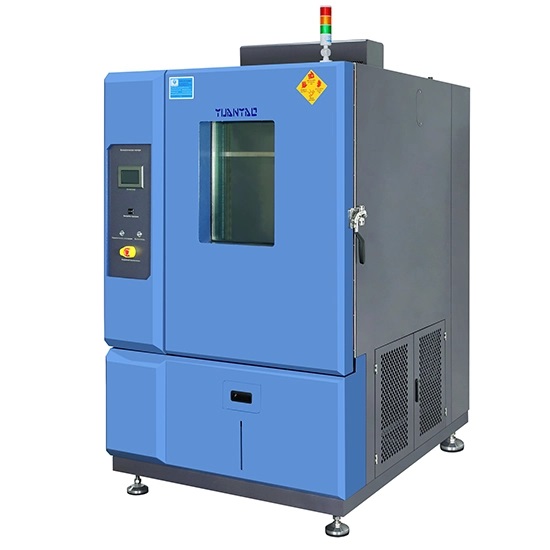
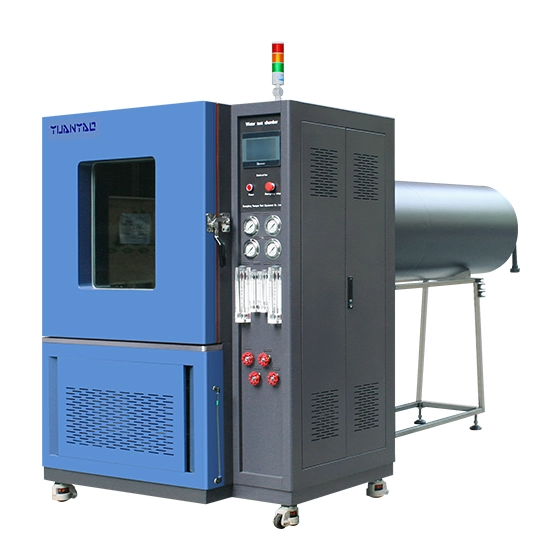
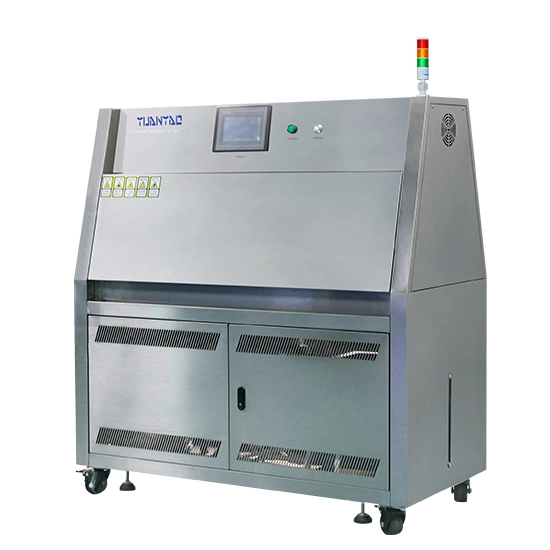
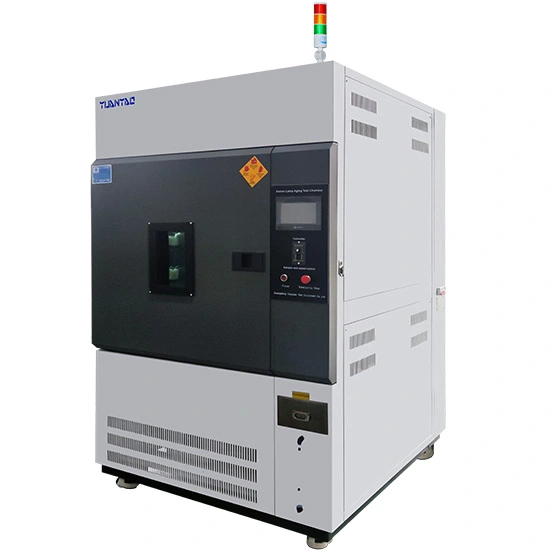
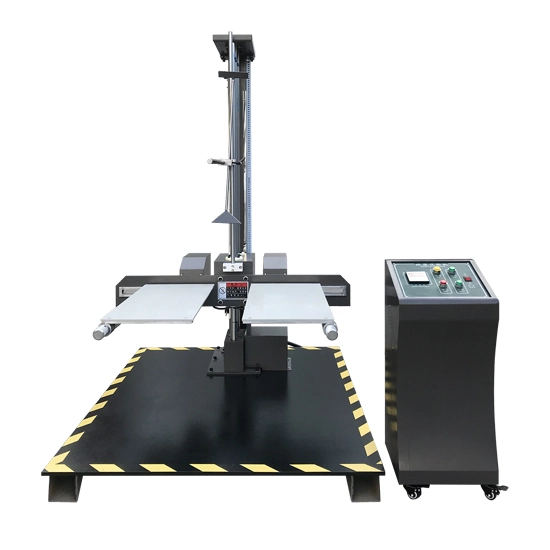
There are many types of environmental test equipment on the market, with different structures, performances, and configurations, usually designed for specific standards or application scenarios. This guide focuses on the most widely used climate test chambers to help users clarify their judgment logic.
Common environmental tests include:
Constant temperature test
Climate (temperature and humidity) test
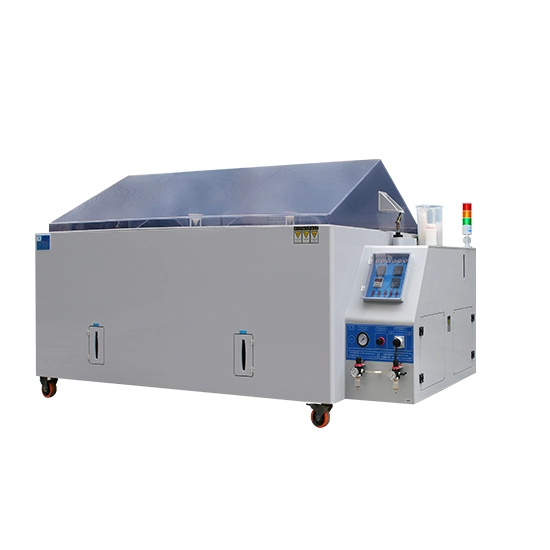
Corrosion test
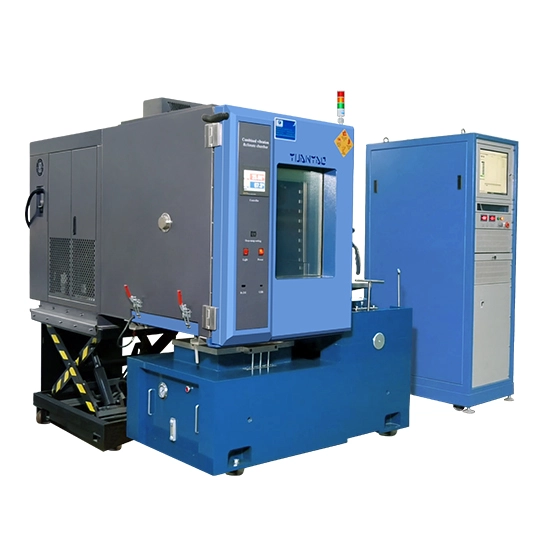
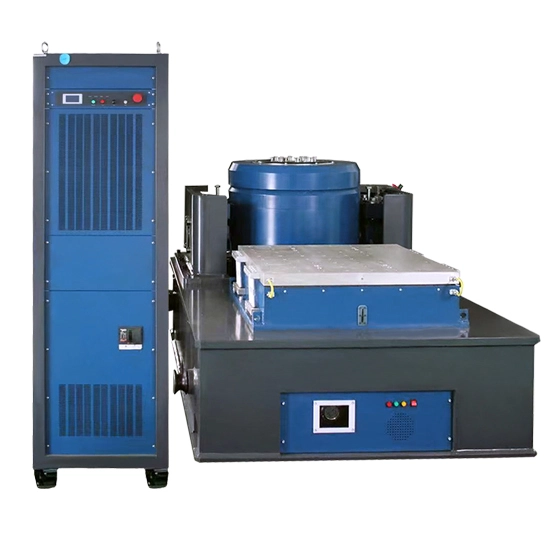
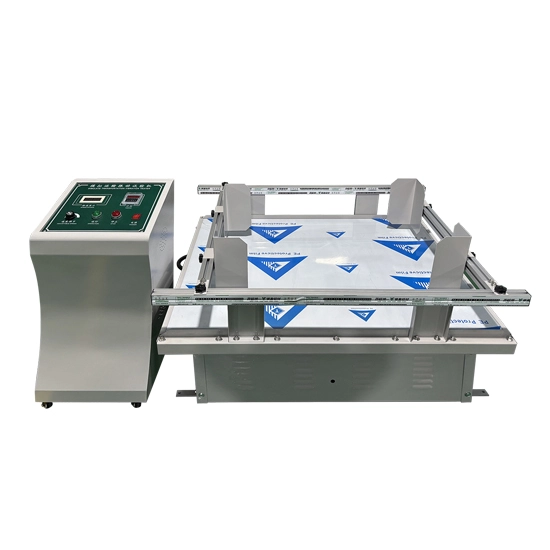
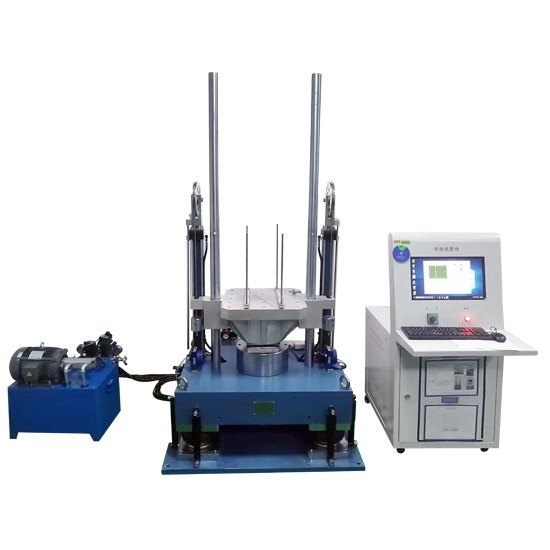
Vibration test
Altitude test
Thermal shock test
Defining the test type is a prerequisite for selecting the humidity control capability and accessory configuration of the climate chamber. During the preliminary screening, you can refer to the following parameters:
Temperature range
Humidity and temperature range of the climate chamber
Temperature change rate
Volume of the test chamber
The temperature change rate refers to the speed at which the temperature inside the test chamber rises or falls, usually expressed in °C/min or K/min. The differences between models are significant, and this indicator is mainly affected by the following factors:
Cooling system capacity
Heater power
In special applications, a cooling rate of over 30 K/min can be achieved by injecting liquid nitrogen (LN₂). It should be noted that technical parameters are usually measured in an empty chamber state, without considering the heat load of the sample.
The controllable range of relative humidity is closely related to temperature and should be judged in conjunction with the dew point. Equipment data usually provides a humidity distribution chart, distinguishing:
Continuous operation area: suitable for long-term stable testing
Short-term operation area: limited time testing
Low humidity special area: requires accessories such as dry air
Key factors include:
Size, shape, and weight: It is recommended that the sample volume does not exceed one-third of the test chamber volume to ensure air circulation and temperature and humidity uniformity.
Heat release: Samples that operate with power release heat inside the test chamber, requiring attention to the maximum heat load capacity that the test chamber can dissipate at a specific temperature.
In some special tests, samples may involve:
Flammable and explosive gases
Toxic or corrosive substances
Structural damage under extreme conditions
For such tests, it is recommended to fully communicate with the climate chamber manufacturer Yuanyao during the selection stage, conduct a risk assessment, and configure a safety protection plan.
Yuanyao temperature and humidity test chambers play a core role in environmental reliability testing:
Acceleration: Apply stress such as high temperature, humidity, and temperature change to shorten potential failure time;
Exposure: Transform potential defects into observable failure phenomena;
Screening: Differentiate between qualified and potentially failing products to ensure the reliability of shipment batches.
Choosing a professional climatic test chamber manufacturer like Yuanyao ensures stable equipment performance and precise temperature and humidity control, enabling enterprises to efficiently complete climate test chamber selection and environmental reliability testing.
What is the difference between an environmental test chamber and a climate test chamber?
An environmental test chamber is a broad term that refers to equipment designed to simulate various environmental conditions, including temperature, humidity, altitude, vibration, corrosion, and light exposure. In contrast, a climate test chamber is a more specific type of environmental chamber that focuses primarily on controlling temperature and humidity conditions. In other words, all climate test chambers are environmental chambers, but not all environmental chambers are limited to climate-related testing.
Which industries use climate test chambers?
Climate test chambers are widely used across multiple industries to ensure product reliability and compliance with standards. Key sectors include electronics (for component durability), automotive (for parts and system testing), aerospace (for extreme condition simulation), pharmaceuticals (for stability testing), and materials science (for performance evaluation). They are also commonly used in research laboratories and quality control departments.
How do you maintain a climate test chamber?
Proper maintenance of a climate test chamber involves regular inspection and servicing to ensure accurate performance and longevity. Key practices include cleaning the interior and sensors, checking and calibrating temperature and humidity controls, inspecting seals and insulation, and maintaining the refrigeration and humidification systems. It is also important to follow the manufacturer’s maintenance schedule, replace worn components promptly, and keep detailed service records to ensure consistent and reliable operation.

 English