+86-13532971605

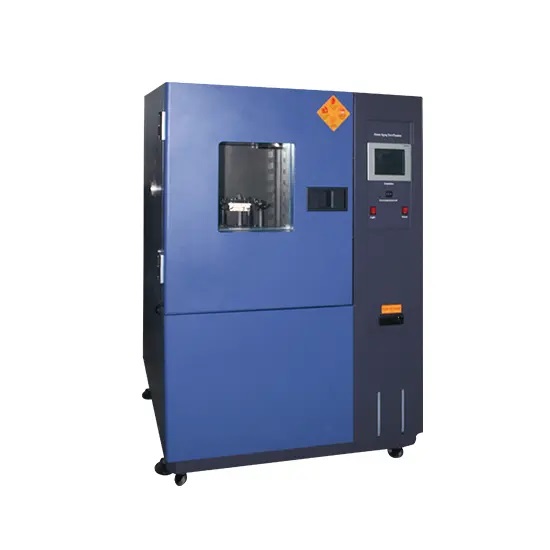
The ozone aging test is mainly applicable to the aging and cracking test of non-metallic materials and rubber products. In practical applications, the ozone aging chamber simulates and enhances the ozone environment in the atmosphere to study the effects of ozone on rubber materials, thereby quickly assessing the anti-ozone aging performance of the samples and the protective effect of anti-ozone agents.
Through this testing method, companies can take targeted anti-aging measures, thereby effectively extending the service life of rubber products.
In the process of ozone aging tests, the stability of ozone concentration is crucial, and the method of ozone generation directly determines the precision of concentration control. Therefore, the ozone generator is one of the core components in the ozone aging chamber.
Ozone generators are mainly classified by principle into:
Corona Discharge Type
Electrolytic Type
Ultraviolet Irradiation Type
Nuclear Radiation Type
Among these, the most widely used is the corona discharge type ozone generator, which usually consists of an ozone tube, power system, gas source device, and electric control system. It can stably generate high-concentration ozone to meet the needs of ozone aging test chambers.
In the natural environment, ozone can be formed by decomposing and recombining oxygen molecules through ultraviolet radiation. In industrial applications, common preparation methods include:
Generating ozone by silent discharge using dry air or oxygen under 5-25kV AC voltage;
Producing oxygen through water electrolysis, then converting it to ozone;
Generating ozone by low-temperature electrolysis of dilute sulfuric acid or heating liquid oxygen.
Due to the instability of ozone, it usually needs to be generated on-site in real-time during the ozone aging test to ensure test accuracy.
In the ozone aging test chamber, common methods for detecting ozone concentration include the following:
Using ozone to release iodine from potassium iodide solution to produce color, then titrating with sodium thiosulfate until colorless, and calculating ozone concentration based on consumption.
Determining concentration by measuring the absorption degree of ozone at specific ultraviolet wavelengths, with high measurement accuracy.
Detecting changes in ozone concentration using an electrochemical sensor, with fast response speed, suitable for online monitoring.
Similar to the iodometric method, determining concentration through the color reaction or fading caused by ozone and chemical reagents.
Ozone aging testing is an important means of evaluating the weather resistance of rubber and non-metallic materials, and the stable control and precise detection of ozone concentration are key to ensuring the reliability of test results.
By using a stable-performance ozone aging test chamber or ozone aging chamber, companies can efficiently screen material performance and optimize formula design, thereby enhancing product durability and market competitiveness.
As one of professional environmental test chamber manufacturers, Yuanyao is committed to providing users with reliable ozone aging test solutions, helping companies achieve higher standards in product quality and reliability control.
What is the purpose of an ozone test?
The purpose of an ozone test is to evaluate the resistance of materials—especially rubber, elastomers, and polymers—to ozone-induced degradation. Ozone can cause cracking, brittleness, and surface deterioration over time. By exposing samples to controlled ozone concentrations in an ozone aging test chamber, manufacturers can predict product lifespan, ensure compliance with international standards, and improve material formulations for enhanced durability in real-world environments.
What is an ozone chamber?
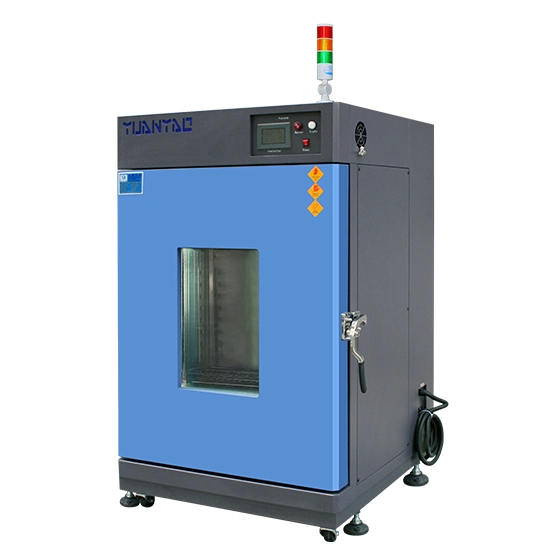
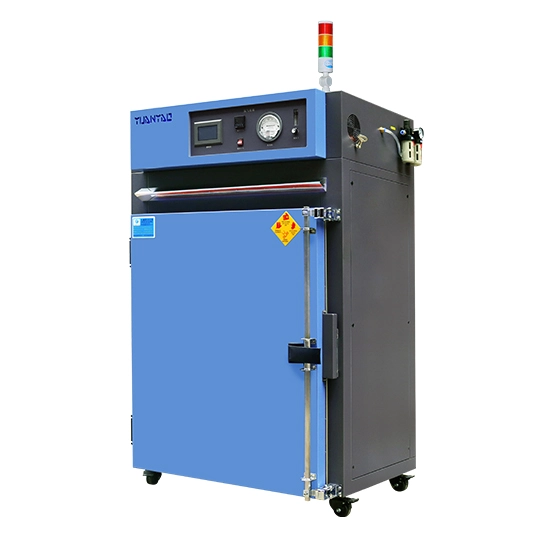
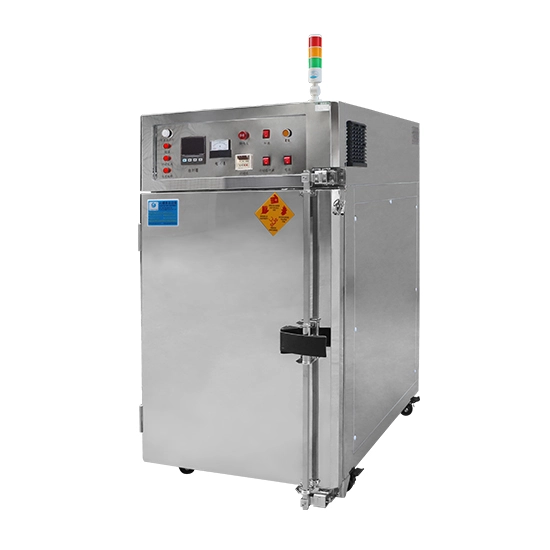
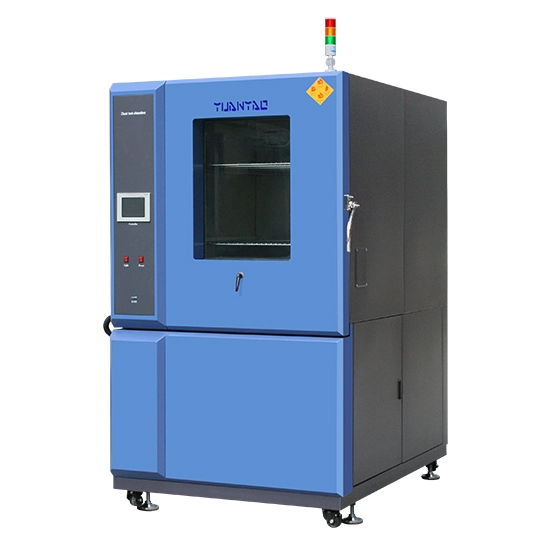
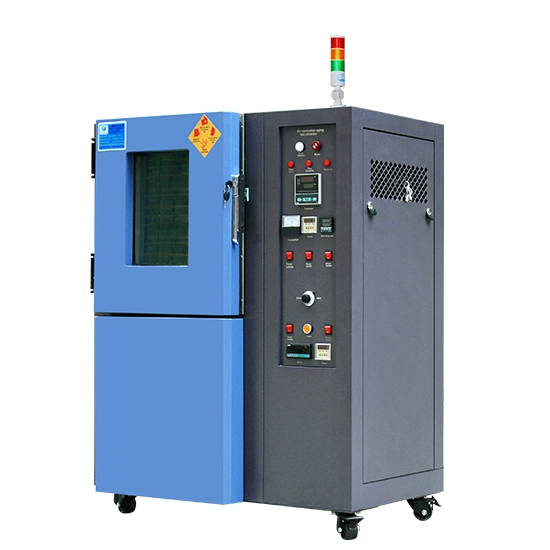
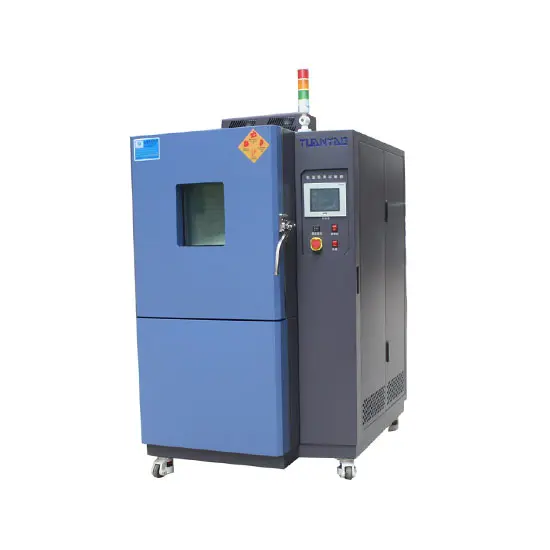
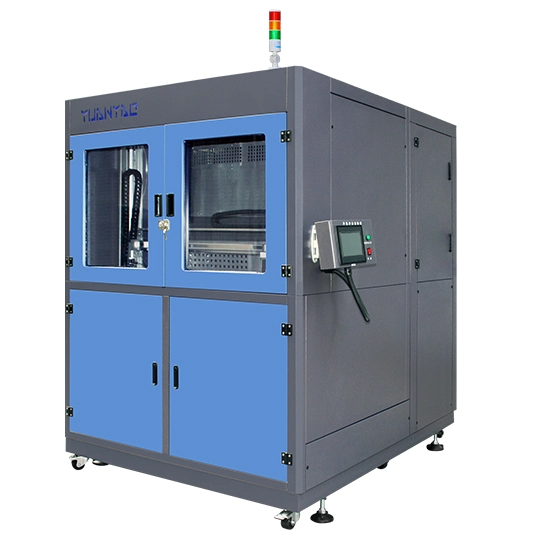
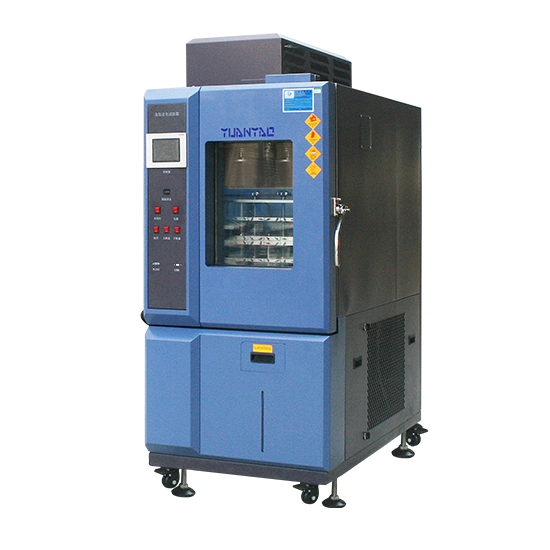
An ozone chamber, also known as an ozone aging test chamber, is a specialized testing device designed to simulate and control ozone concentration, temperature, and sometimes humidity. It is primarily used to assess how materials respond to ozone exposure under accelerated aging conditions. These chambers are widely applied in industries such as rubber, automotive, and electrical insulation to ensure product reliability.
How does an ozone aging test chamber work?
An ozone aging test chamber works by generating ozone—typically through ultraviolet (UV) light or corona discharge—and circulating it within a sealed chamber at a controlled concentration. Test specimens are placed under static or dynamic strain conditions while the chamber maintains precise temperature and ozone levels. Over time, the system monitors and evaluates material changes such as cracking or loss of elasticity, providing data on ozone resistance.
What materials are commonly tested in an ozone aging test chamber?
Common materials tested in an ozone aging test chamber include rubber, elastomers, plastics, cable insulation, and sealing materials. These materials are particularly susceptible to ozone degradation. Testing helps manufacturers in industries like automotive, aerospace, and electronics ensure that components such as tires, gaskets, and wires maintain performance and safety over their expected service life.

 English