+86-13532971605

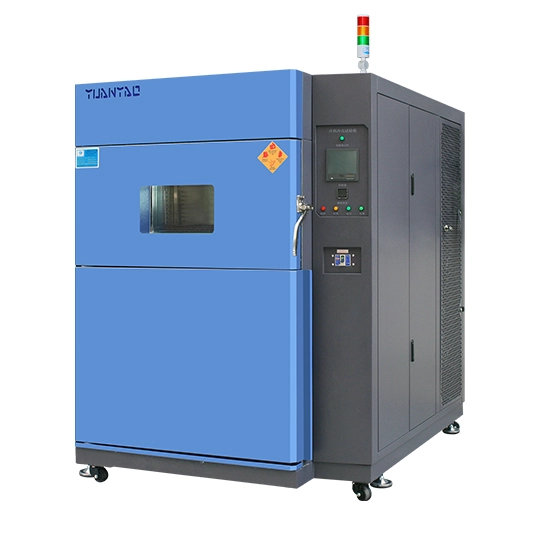
In research laboratories and industrial production workshops, there is always a piece of equipment silently playing the role of a "stabilizer" — it can precisely recreate specific temperature and humidity conditions, allowing microorganisms to breed comfortably, ensuring stable material performance testing, and enabling seeds to germinate smoothly. This equipment is the constant temperature and humidity test chamber, a seemingly ordinary yet core piece of equipment supporting the development of multiple industries.
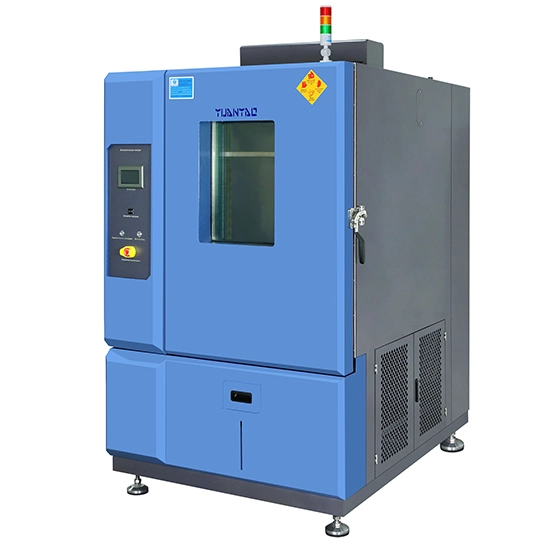
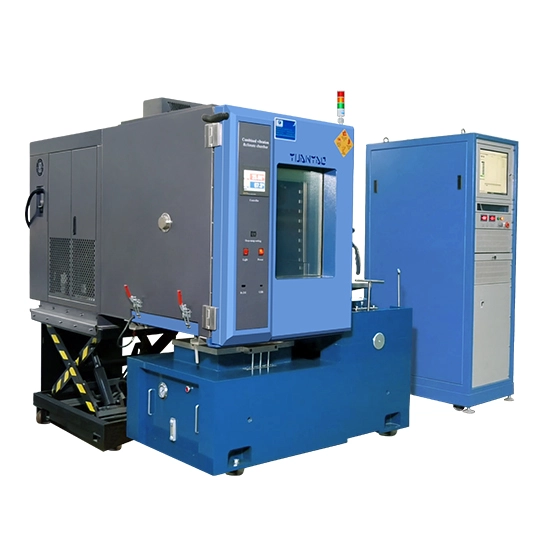
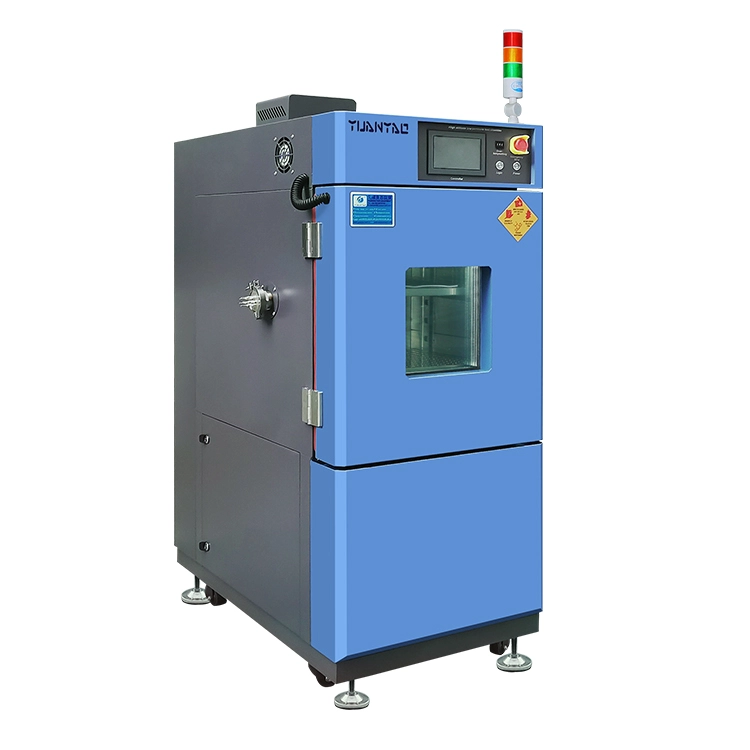
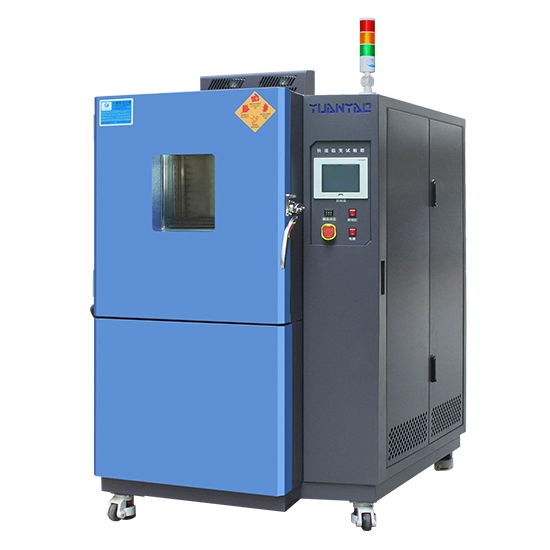
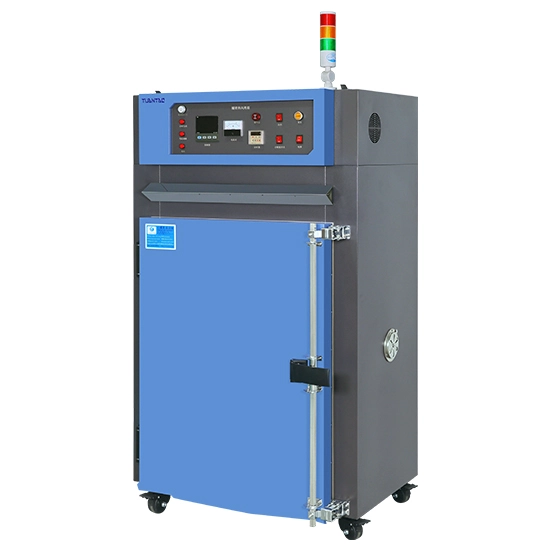
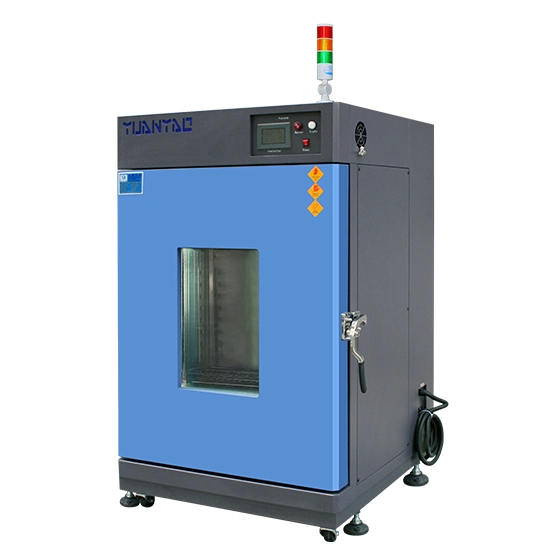
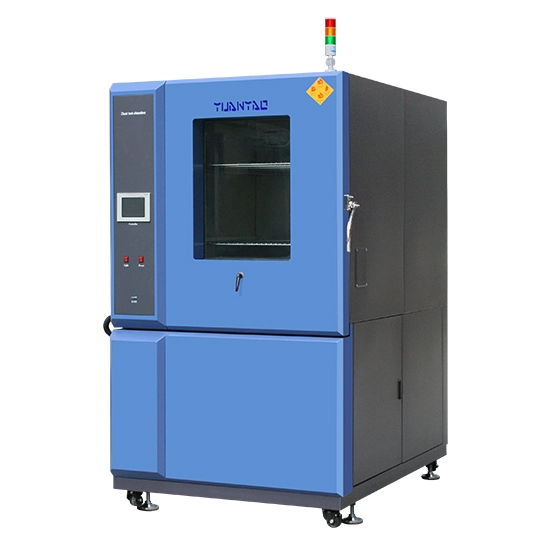
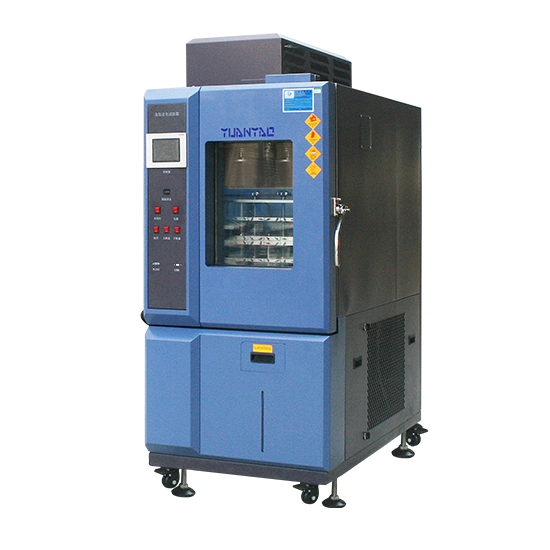
Constant temperature and humidity test chamber is a laboratory/industrial device capable of simulating specific temperature and humidity environments. Its core mission is to intelligently control and stabilize internal environmental parameters within a set range, providing repeatable and highly reliable environmental conditions for biological sample cultivation and product performance testing.
Simply put, it is like a "custom microclimate chamber" — whether it's the high temperature and humidity of the tropics, the mild environment of temperate zones, or low humidity dry scenarios, it can accurately recreate these conditions, allowing experiments and production to be unaffected by external environmental fluctuations.
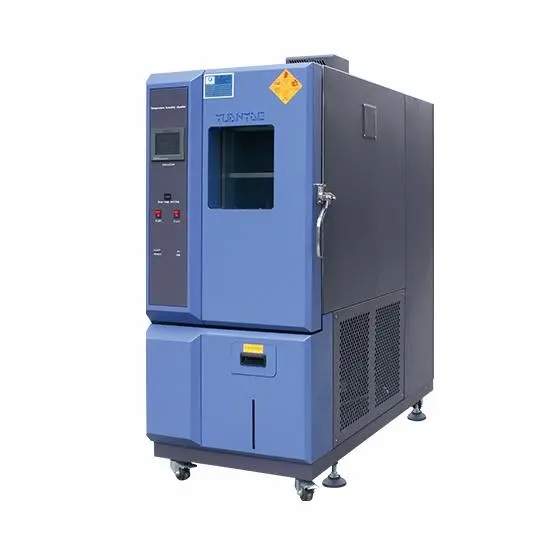
The precision of the constant temperature and humidity chamber relies entirely on the dynamic balance of its four major systems: refrigeration, heating, humidification, and dehumidification.
Heating System: Generates heat through stainless steel heating tubes or PTC heaters;
Refrigeration System: Uses vapor compression cycle, relying on the cooperation of components like compressors and condensers.
Humidification Methods: The mainstream methods are ultrasonic humidification and electrode humidification;
Dehumidification Methods: Cooling dehumidification is used for medium to high humidity, while wheel dehumidification is used for low humidity.
In addition to basic temperature and humidity control, modern constant temperature and humidity chambers are equipped with many intelligent functions, making operation more convenient and experiments safer: including intelligent programming control, safety protection mechanisms, convenient operation design, energy saving, and environmental protection.
From research to production, the presence of constant temperature and humidity test chambers is ubiquitous, contributing to key fields:
Provides a stable environment for cell culture, microorganism breeding, plant seed germination, and insect rearing, making it a "standard equipment" for biological experiments;
Used for drug stability testing, vaccine storage, and food shelf-life verification, ensuring product quality and safety under different environments;
Tests the performance stability of electronic components and automotive parts in high temperature and humidity or low temperature dry environments, ensuring product durability;
Conducts environmental adaptability tests for wood and building materials, as well as research on crop breeding and seed germination rates, aiding in the development of new materials and agricultural yield increase.
What standards are used for constant temperature and humidity testing?
Common international standards include IEC 60068-2-78, IEC 60068-2-30, ISO 16750, and ASTM D4332. These standards define testing procedures for environmental conditions such as steady-state humidity, cyclic humidity, and temperature stability, ensuring consistent and comparable results across different laboratories and industries.
What is the difference between a constant temperature and humidity chamber and a thermal shock chamber?
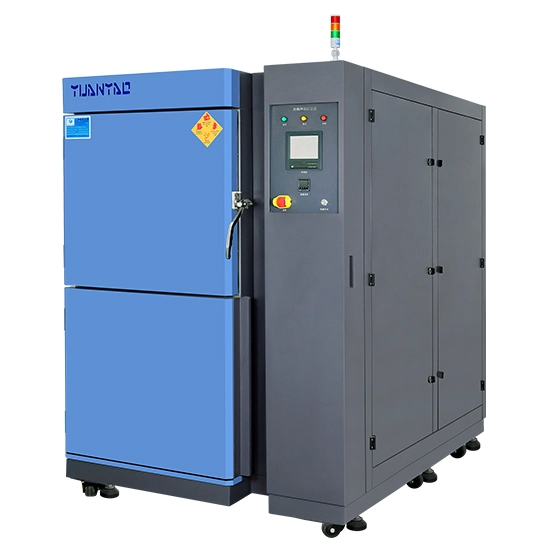
A constant temperature and humidity chamber maintains stable environmental conditions over a long period to simulate real-world aging and storage conditions. In contrast, a thermal shock chamber rapidly alternates between extreme high and low temperatures to test a product’s ability to withstand sudden temperature changes and thermal stress.
How do you choose a constant temperature and humidity test chamber?
Selection depends on factors such as required temperature and humidity range, internal chamber volume, accuracy requirements, test standards, and industry application. Other considerations include energy efficiency, control system functionality, after-sales support, and whether the chamber meets specific testing certifications or regulatory requirements.

 English