+86-13532971605

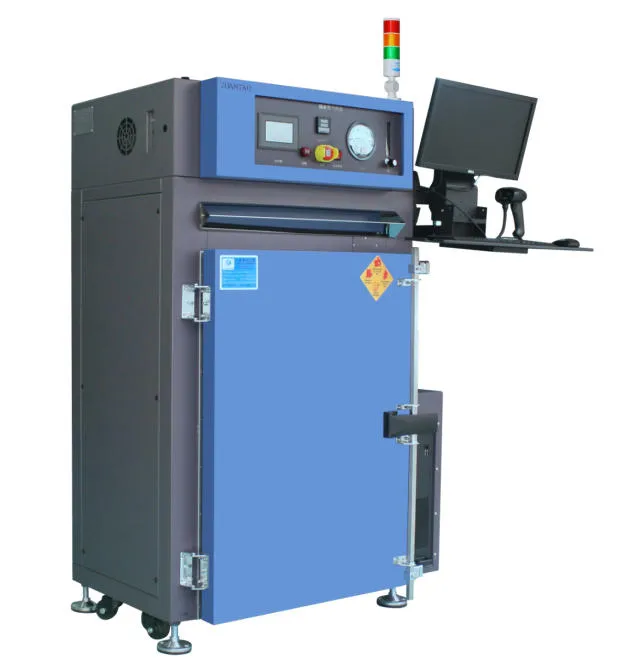
Global manufacturing is moving toward high-reliability design and digitalized quality management. Electronic components, power modules, onboard systems and energy storage products must undergo strict environmental aging and thermal stress screening before mass delivery, to eliminate early failure risks caused by material fatigue, structural thermal deformation and component performance attenuation.
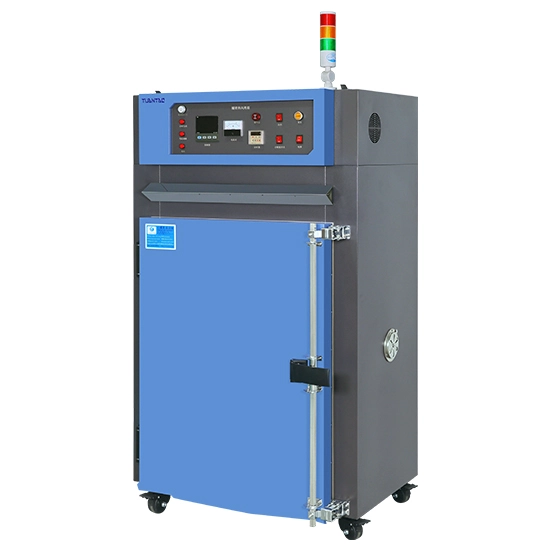
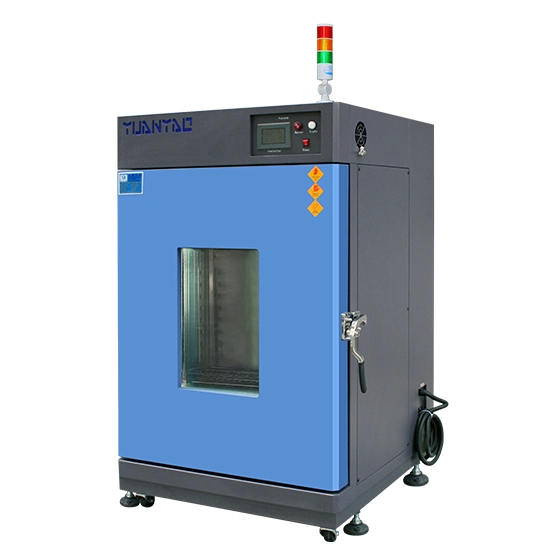
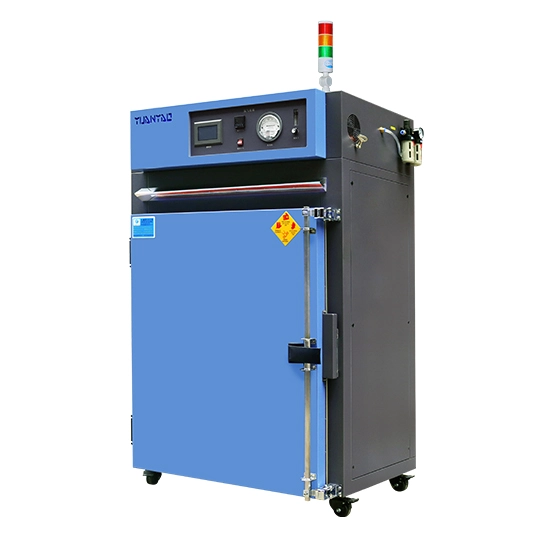
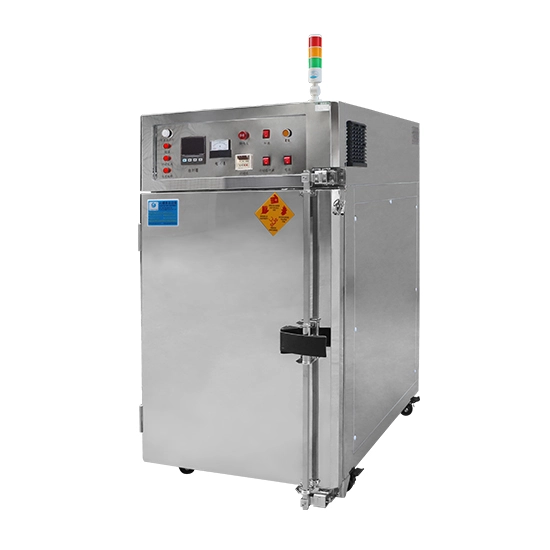
Conventional aging test equipment operates as isolated, function‑separated units. Manual data logging, fragmented workflows and limited connectivity hinder efficient reliability validation. Against such practical limitations, three major development directions have emerged for modern environmental aging test technology:
1.1 Functional integration replaces single-mode testing.
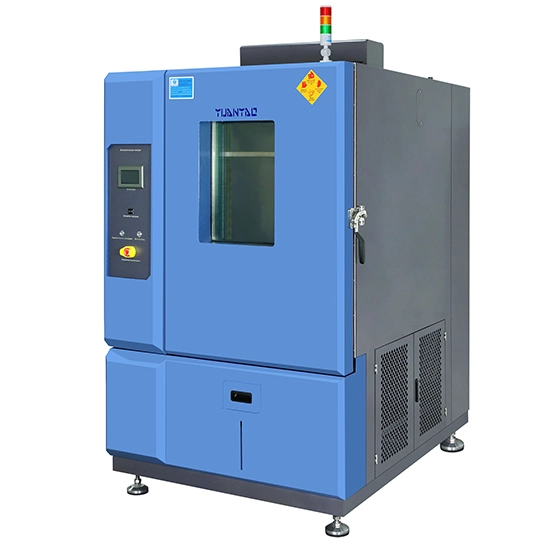
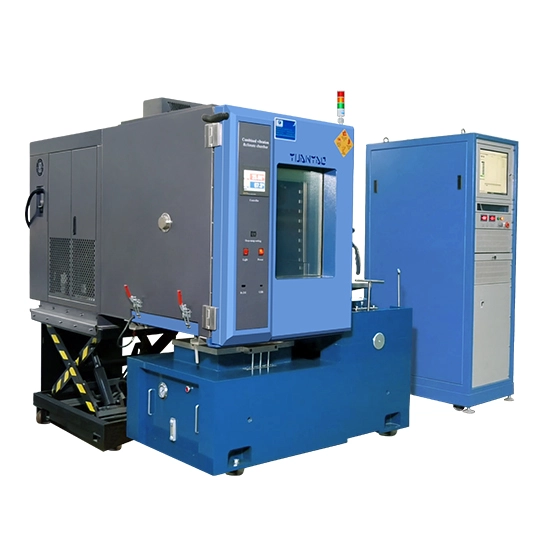
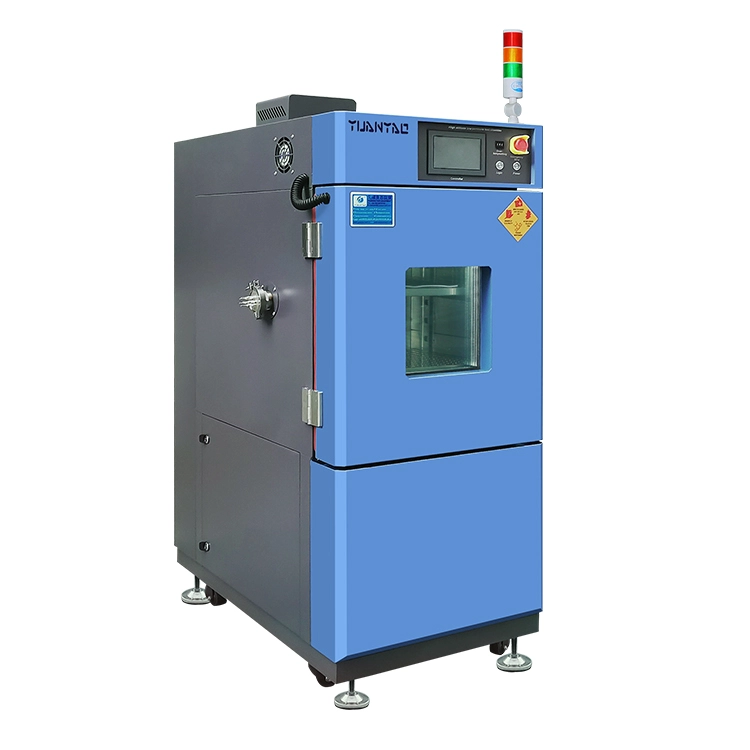
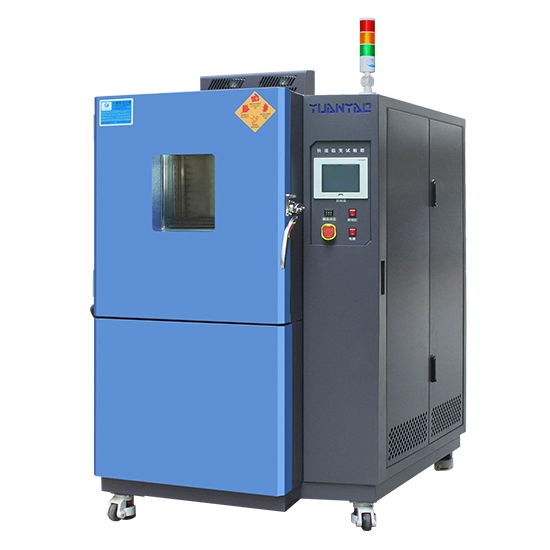
Traditional equipment only supports single high-temperature aging. Modern products face complex ambient conditions including long-term high-temperature operation and frequent temperature shock. Integrated systems support constant temperature burn-in and high-low temperature cycling in one unit, covering multiple test standards, saving laboratory space and reducing equipment investment costs.
1.2 Data testing evolves from simple environmental recording to synchronous full-data acquisition.
Early chambers only record temperature changes inside the cavity. New-generation integrated systems synchronously collect chamber environmental data and multi-channel electrical parameters of devices under test, including voltage, current and power consumption. Time-correlated data effectively supports failure analysis and product performance optimization.
1.3 Testing equipment develops toward factory digital interconnection.
Intelligent manufacturing requires all test equipment to participate in unified industrial data management. Modern aging testers support docking with customers’ internal management systems, realizing automatic data uploading, test report generation, remote monitoring and whole-process data traceability.
2.1 Meet international reliability certification standards
IEC, ISO and ASTM industrial standards require complete, true and traceable test data for product aging qualification. Manual recording and offline data storage cannot avoid errors and missing records, which fails to meet third-party audits and customer factory verification. Integrated data acquisition and system docking ensure full-process data authenticity and traceability.
2.2 Improve R&D and production testing efficiency
Integrated multi-function aging equipment avoids repeated sample handling and frequent equipment debugging. One device completes multiple aging procedures, greatly simplifying test operations. Automatic data uploading and report output also reduce manual workload and shorten product validation cycles.
2.3 Support accurate failure mechanism analysis
Product failure is usually caused by comprehensive thermal stress and electrical performance drift. Synchronous collection of environmental stress and DUT operating data enables engineers to accurately locate abnormal time nodes and corresponding temperature conditions, providing reliable data basis for product design improvement and process optimization.
2.4 Adapt to digital transformation of smart factories
As an important link in quality control, aging testing must be incorporated into the enterprise digital management system. Equipment with system docking capability breaks data silos, realizes unified scheduling of test tasks, centralized equipment management and full-life-cycle data archiving, and matches the development trend of intelligent factories.
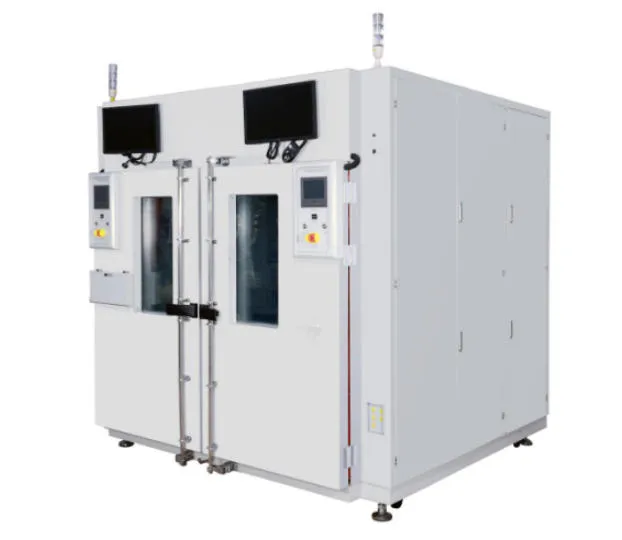
Automotive Electronics: Vehicle ECUs, sensors, power modules and wiring systems need long-term high-temperature burn-in and temperature cycling tests to simulate complex road and seasonal environments. Integrated data monitoring and system docking meet strict automotive-grade quality management requirements.
New Energy & Energy Storage: BMS systems, inverters and power components adopt integrated aging tests to verify service life and thermal stability under alternating temperature conditions. Test data can be connected to production systems to support batch quality screening.
Semiconductors & Electronic Components: Chips, PCB assemblies and optoelectronic devices complete environmental stress screening through integrated aging equipment to remove early failure products and improve batch yield.
Industrial Control & Power Electronics: Industrial power supplies, controllers and relay products use comprehensive aging verification to ensure stable operation under harsh industrial conditions, providing reliable qualification data for product launch and iteration.
Laboratories & Research Institutions: Third-party testing and scientific research institutions rely on integrated digital aging systems to achieve standardized test management, automatic data archiving and compliant report output.
With the continuous upgrading of global high-end manufacturing, environmental aging testing is developing toward integration, digitization and intelligence. Integrated aging test equipment that combines multi-condition thermal testing, synchronous data acquisition and enterprise system interconnection has become an essential solution for modern product reliability verification.
Compared with traditional standalone equipment, it effectively solves the problems of single test function, scattered data, low efficiency and poor traceability. It provides standardized, accurate and digital test support for automotive electronics, new energy, semiconductor and industrial control industries, and will continue to empower high-quality and high-reliability product upgrading in the global manufacturing industry.

 English