+86-13532971605

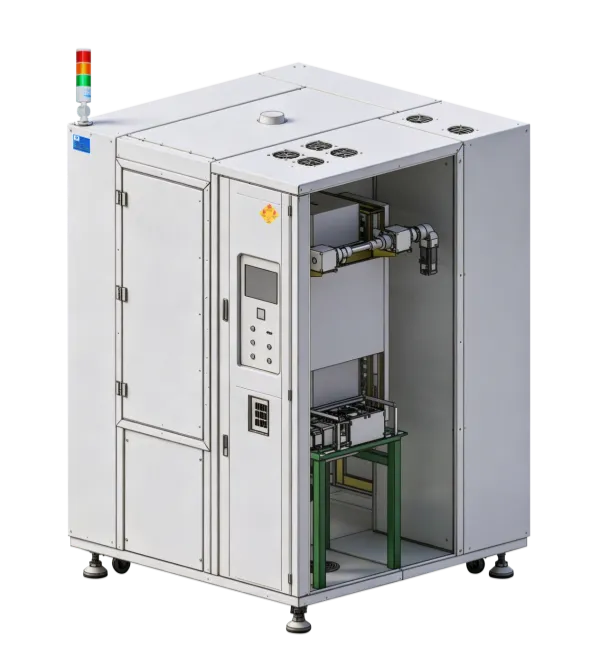
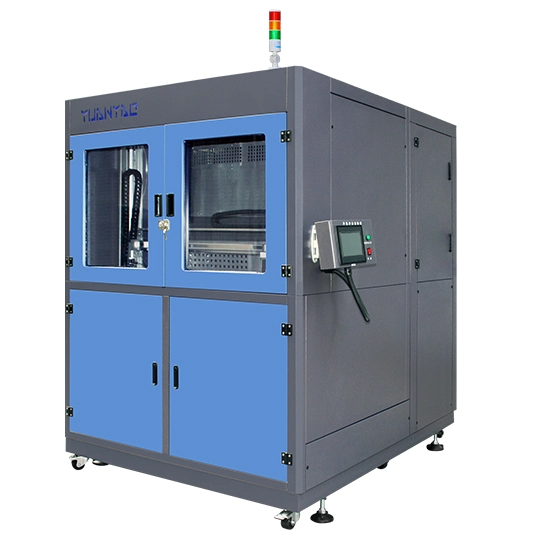
Traditional horizontal tunnel furnaces rely on long-horizontal conveying tracks for thermal treatment, which occupy substantial factory floor space. Vertical continuous thermal-processing workflows adopt vertical cyclic material transport architecture to deliver uninterrupted inline drying, curing, sintering and annealing for electronic components. This continuous thermal-treatment methodology has become an important lean-manufacturing solution for high-volume production across multiple high-tech sectors. It supports inline integration with upstream dispensing, conformal coating, potting-encapsulation processes and downstream assembly steps, delivering consistent thermal profiles for mass-produced components.
Application scenarios Inline thermal curing after dispensing, conformal coating and potting for communication modules, high-speed signal components, AI computing hardware, RF assemblies and optical communication devices. Continuous thermal treatment handles adhesive curing, protective coating cross-linking and potting resin hardening in high-volume inline production lines.
Process & testing objectives Complete full cross-linking of protective coatings, structural adhesives and potting compounds in continuous production. Uniform thermal exposure eliminates partial-curing risks that could cause coating delamination, adhesive creep or uneven material hardness during long-term service. Thermal processing stabilizes mechanical bonding, insulation performance and environmental resistance of communication-grade assemblies. Post-thermal parts must maintain stable electrical signal performance under temperature fluctuation, humidity and mechanical vibration.
Relevant standards
· IPC-CC-830: Acceptance criteria for conformal coatings on electronic assemblies
· IEC-61300-2: Environmental reliability requirements for optical and communication components
· IPC-9701: Thermal cycling reliability assessment for electronic modules
Application scenarios Continuous inline curing for adhesive bonding, dispensing, coating and potting of handheld devices, wearable hardware, display-related components and consumer-grade circuit assemblies. Suitable for high-throughput mass-production workflows of medium-and-small-size electronic parts.
Process & testing objectives Achieve complete and consistent polymer curing for bonding glues, protective coatings and sealing materials across large batch sizes. Prevent incomplete curing which may lead to adhesive peeling, coating bubbling or premature ageing under daily-use conditions. Stabilize structural strength and surface protection performance of finished consumer-electronic products, reducing field failure rates. Thermal-processed workpieces are prepared for subsequent drop-test, temperature-humidity cycle and ageing validation.
Relevant standards
· IPC-A-610: Acceptability of electronic assemblies
· IEC-62474: Material and process specification for consumer-electronic manufacturing
Application scenarios Thermal curing after dispensing, conformal coating and potting for on-board control units, sensor assemblies, power-electronic modules and vehicle communication sub-assemblies. Continuous vertical thermal processing serves high-volume automotive-electronic inline production chains.
Process & testing objectives Automotive electronic assemblies endure severe working conditions including wide temperature swings, engine-bay humidity and vibration. Continuous uniform thermal treatment ensures full curing of coating, sealing and potting polymers, securing interfacial bonding integrity. Minimize residual internal stress inside cured materials. Avoid hidden risks such as coating cracking, delamination and insulation degradation over vehicle service life. Processed assemblies shall pass strict automotive-grade reliability qualification before final assembly.
Relevant standards
· IPC-CC-830 for automotive conformal coating acceptance
· IEC-60068 series: Environmental test procedures for automotive electronic components
· AEC-Q series component qualification requirements for commercial automotive electronics
Application scenarios Inline thermal processing for semiconductor peripheral assemblies: post-dispense curing, conformal coating and potting-encapsulation of peripheral components, auxiliary packaging materials and test carrier units. Used for continuous drying and curing of non-wafer-level semiconductor auxiliary parts in mass-production lines.
Process & testing objectives Deliver consistent continuous thermal exposure for polymer materials used in semiconductor auxiliary assemblies. Eliminate incomplete cross-linking and volatile residuals inside adhesives and encapsulants. Control outgassing levels of cured polymers to avoid contamination risk to sensitive electronic structures. Stabilize dimensional stability and mechanical strength of finished assemblies, supporting subsequent semiconductor-assembly reliability screening.
Relevant standards
· SEMI G110: Outgassing evaluation of organic materials for semiconductor-related equipment and assemblies
· JEDEC J-STD-030: Void and curing-quality assessment for electronic-assembly adhesive layers
Vertical continuous thermal processing delivers inline, high-volume drying, curing, sintering and annealing. Actual thermal profiles including temperature range, dwell time and heating-cooling ramp rates shall be configured according to polymer material datasheets, component thermal tolerance and end-product specifications. No universal thermal recipe fits all material-component combinations.
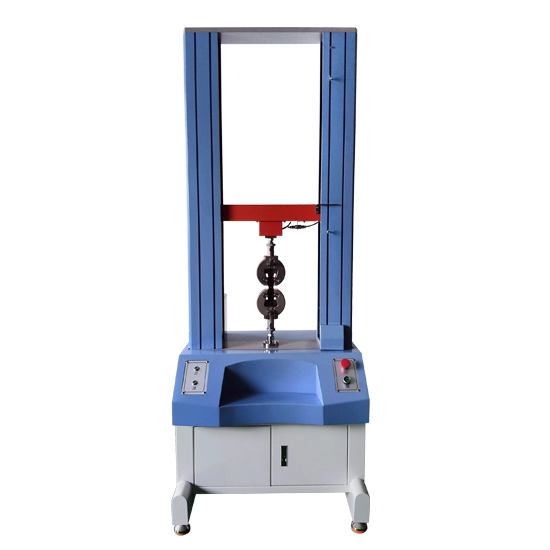
After continuous thermal treatment, finished workpieces normally go through standardized validation items:
· Degree-of-curing testing for polymer materials
· Adhesion-strength inspection for coatings and bonded interfaces
· Non-destructive visual inspection for surface defects
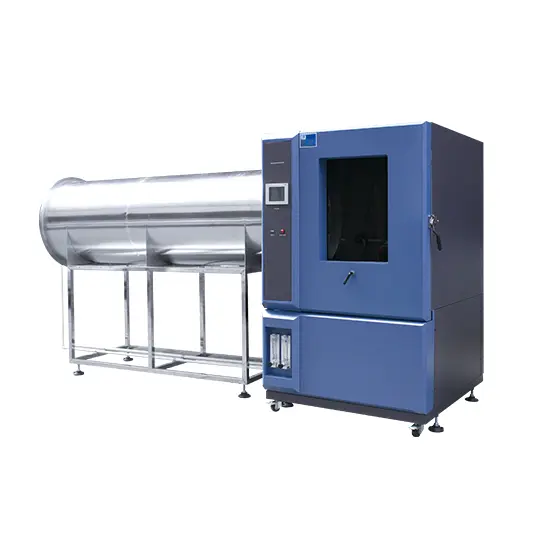
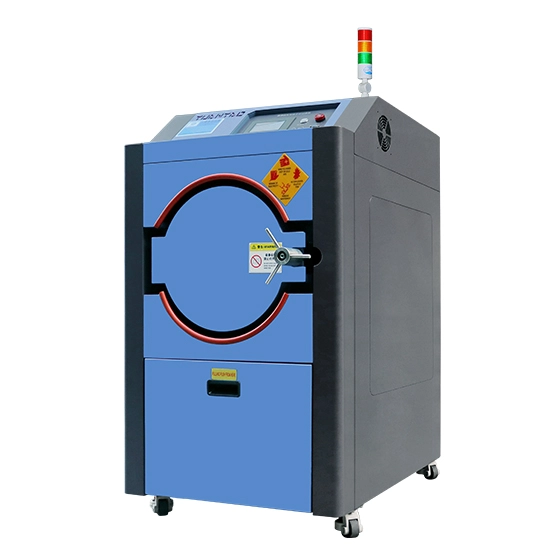
· Environmental reliability tests: thermal cycling, damp-heat ageing, vibration testing
All test metrics shall satisfy corresponding commercial-grade industry specifications, to guarantee batch-to-batch consistency and long-term operational stability of final products.

 English