+86-13532971605

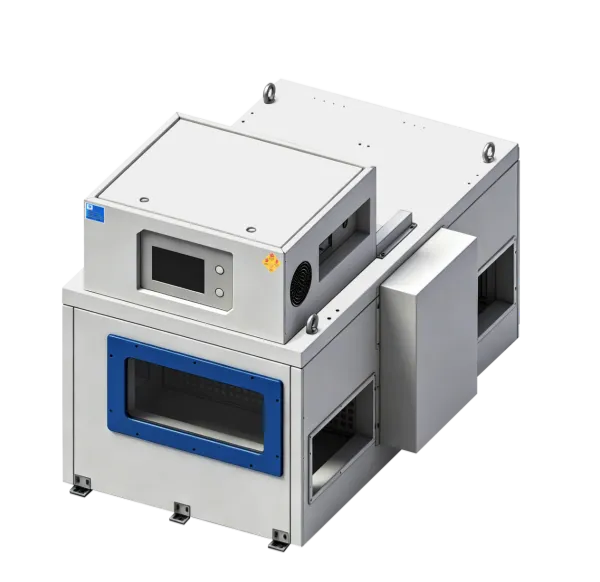
Global advanced manufacturing is shifting toward fully automated, high-throughput production. For optical components, electronics, advanced polymers, precision parts and adhesive-bonded assemblies, controlled temperature-humidity post-curing is no longer an optional step. Unregulated curing conditions frequently result in inconsistent cross-linking, hidden reliability defects, higher scrap rates and unstable batch yield — common pain-points limiting scalable industrial production.
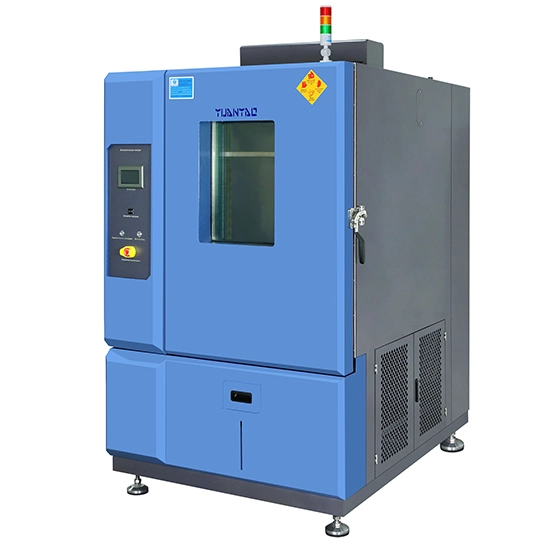
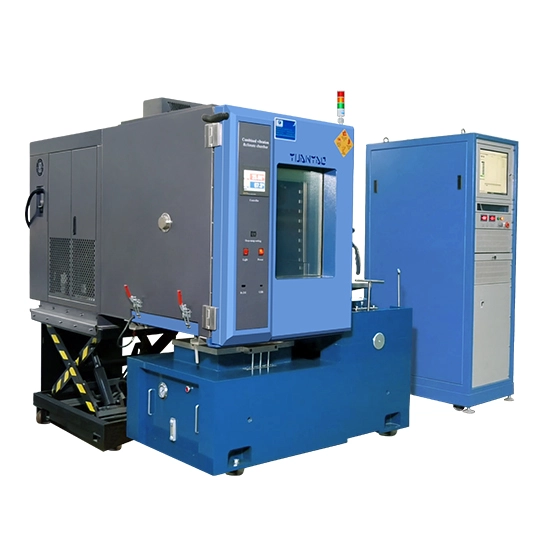
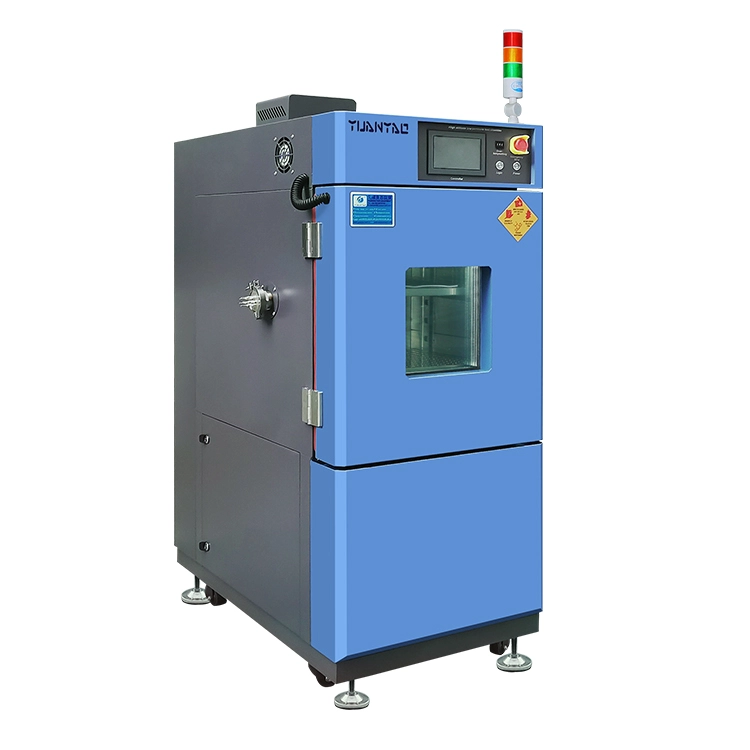
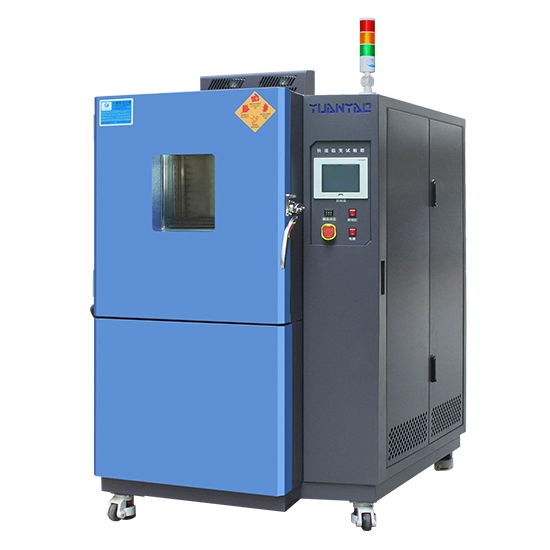
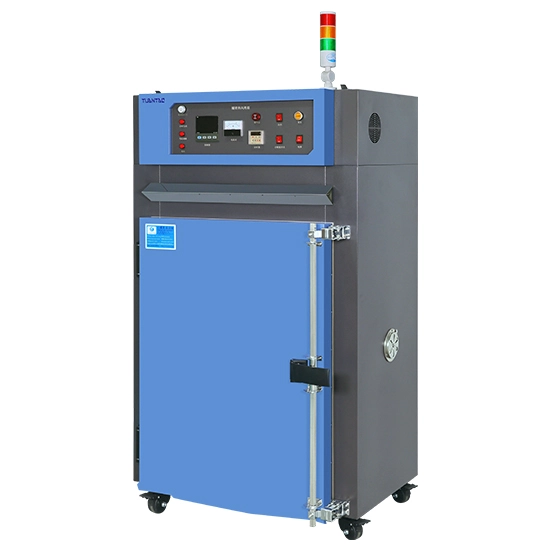
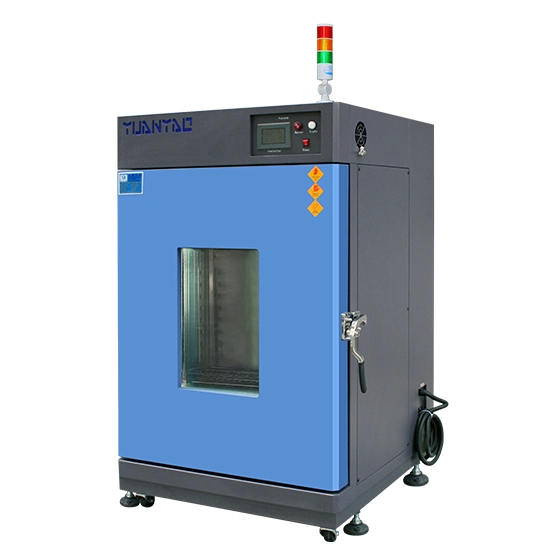
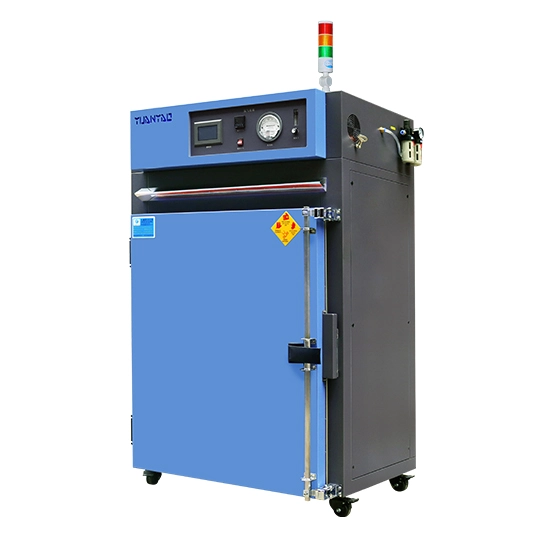
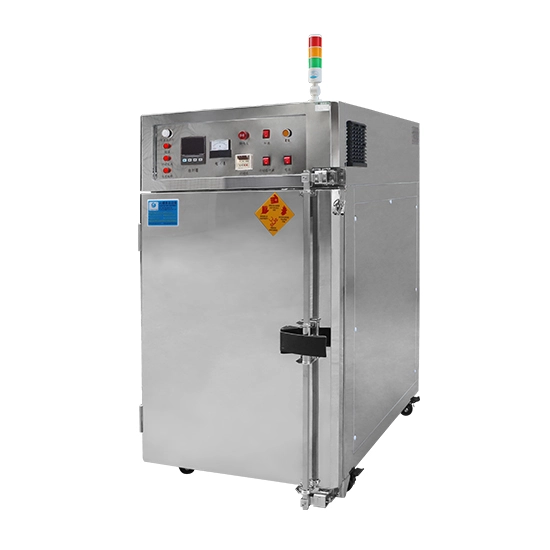
Inline moisture-controlled curing delivers stable, documented temperature and humidity environments directly on the production conveyor. Its primary process and testing objectives include:
· Complete uniform chemical cross-linking for adhesives, potting compounds and surface coatings, preventing incomplete internal curing even when surfaces appear dry.
· Stabilize material mechanical properties, relieve internal residual stress, and minimize post-processing deformation for precision-finished components.
· Eliminate quality variance caused by offline batch processing: inconsistent waiting periods, workshop ambient fluctuations, and manual product handling errors.
· Generate traceable environmental records, supporting subsequent reliability validation, ageing tests and quality compliance for finished industrial products.
Specialized adhesives and protective coatings for optical assemblies require tightly controlled humidity-temperature curing conditions. Unstable factory ambient humidity causes uneven glue layers, residual stress, and long-term optical-signal drift.
Following widely-acceptedIEC environmental-process specifications, modern optical manufacturing integrates inline moisture curing directly into automated assembly lines. Continuous in-process conditioning guarantees repeatable quality for high-volume fiber-optic components.
Industrial and consumer electronics rely on packaging resins, module potting materials and protective surface coatings. Curing-environment deviations can lead to delamination, blistering, or bond-line failure over product service life.
IPC standards for electronic assemblydefine clear environmental requirements for adhesive and coating post-curing. An inline moisture cure chamber embeds curing workflows into existing SMT and module-assembly lines, removing human-driven variables and improving long-term electronic-product reliability.
Polymer composites, functional films and emerging engineered materials depend on precise temperature-humidity profiles to finish cross-linking reactions during continuous production.
UnderISO material-testing standards, stable post-treatment environmental conditions are mandatory to validate final material performance. Off-line batch ovens cannot keep pace with high-speed continuous-line throughput. In-line humidity curing synchronizes conditioning with material conveyance to preserve consistent mechanical and chemical characteristics across production batches.
Functional coatings on precision mechanical parts are highly sensitive to humidity fluctuations during film-formation and curing stages. Too high or too low ambient humidity creates manufacturing defects: pinholes, surface wrinkling, uneven coating thickness.
MajorISO coating-performance standardsspecify environmental boundary conditions for coating curing cycles. Installing inline moisture-curing units after automated spray or assembly stations effectively reduces coating-related reject rates and stabilizes surface quality in mass production.
Structural and functional adhesives used across multiple industrial sectors are highly sensitive to temperature-humidity parameters throughout their curing cycle. Traditional batch-oven curing requires product removal from the main production flow, introducing variable transfer delays and uncontrolled workshop-air exposure.
Inline moisture-curing systems keep bonded assemblies on the production conveyor for their full curing cycle, aligning withISO adhesive-application process standards. This reduces latent bond-failure risks and cuts overall rework and material-waste costs.
Conventional standalone batch curing ovens are suitable for low-volume lab-scale or pilot-batch manufacturing. In fully-automated high-volume workshops, offline batch processing creates multiple uncontrolled process gaps: variable pre-curing hold-time, humidity shifts during part transport, and human-handling mistakes. These gaps broaden batch-to-batch quality divergence.
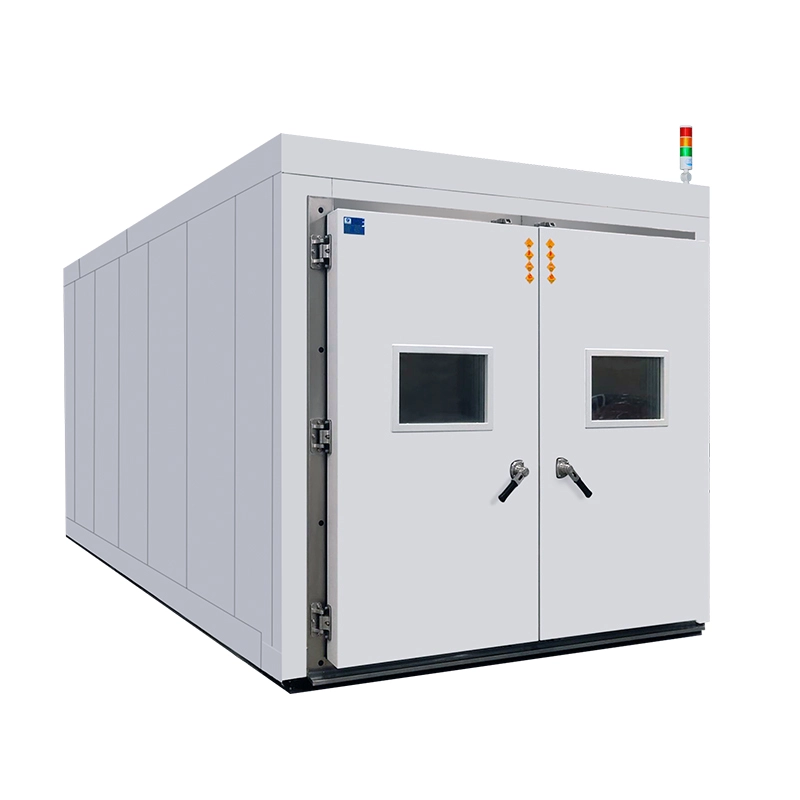
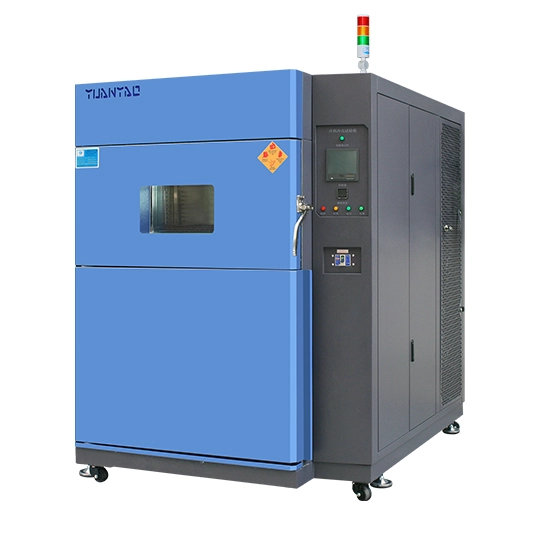
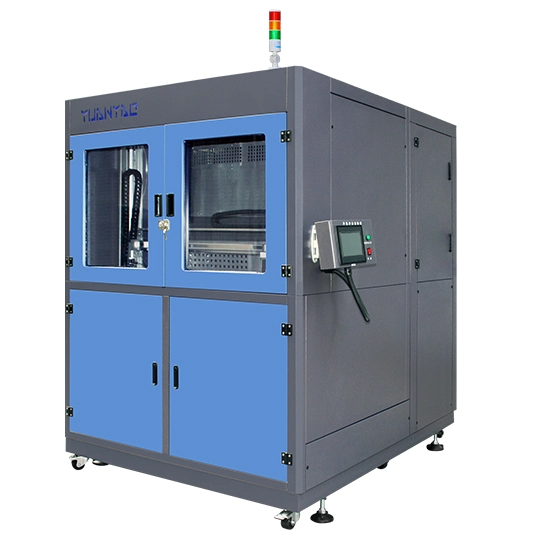
The automatic in-line moisture cure chamber seamlessly interfaces with upstream and downstream production automation. Curing completes without offline part transfer. Continuous environmental logging fulfils modern manufacturing traceability requirements.
As global industries raise stricter benchmarks for product reliability, batch repeatability and smart-factory capabilities, inline moisture-controlled curing has evolved from supplementary auxiliary equipment tofoundational process infrastructurefor optical-fiber, electronics, advanced-material, precision-part and adhesive-bond manufacturing.

 English